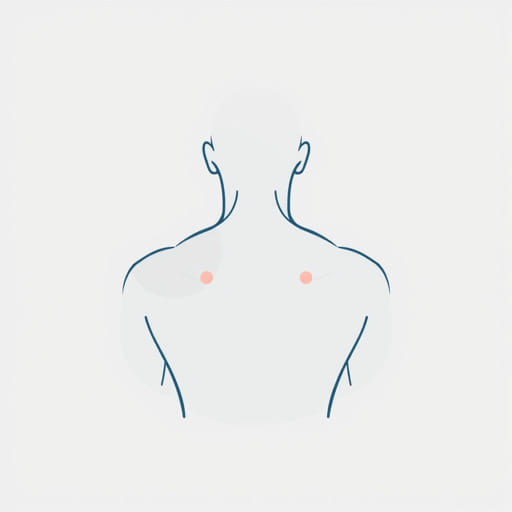
Upper Traps and Levator Scapulae Release A Comprehensive Guide for Muscle ReliefMuscle tension in the neck and shoulders is a common issue for many people, particularly in today’s fast-paced world. Two muscles that often contribute to this discomfort are the upper trapezius (upper traps) and the levator scapulae. These muscles can become tight and restricted due to poor posture, stress, or repetitive movements. The good news is that muscle release techniques, such as targeted stretches and massages, can help alleviate discomfort and restore proper function. In this topic, we’ll explore the importance of upper traps and levator scapulae release, the benefits of doing so, and effective methods to ease tension in these muscles.
Understanding the Upper Traps and Levator Scapulae
Before diving into the release techniques, it’s essential to understand the roles of the upper traps and levator scapulae muscles in the body.
Upper Trapezius (Upper Traps)
The upper trapezius is a large, triangular-shaped muscle that extends from the back of the neck to the shoulder blades. Its primary function is to elevate the scapula (shoulder blades), assist with neck movement, and stabilize the shoulders. The upper traps are heavily involved in activities such as lifting objects, shrugging, and maintaining an upright posture.
When the upper traps are overused or tense, they can contribute to neck pain, headaches, and limited shoulder mobility.
Levator Scapulae
The levator scapulae is a smaller muscle located at the side of the neck, running from the cervical spine (neck vertebrae) to the top of the shoulder blades. Its primary role is to elevate the scapula and assist with neck rotation and lateral flexion (tilting the head to the side). This muscle often becomes tight when we hold our head in one position for too long, such as while looking at a computer screen or hunching over a desk.
Tightness in the levator scapulae can cause neck stiffness, pain in the upper back, and discomfort in the shoulders.
Why Upper Traps and Levator Scapulae Release Is Important
Releasing tension in the upper traps and levator scapulae can have several positive effects on your overall well-being. Regular muscle release techniques can
-
Relieve Neck and Shoulder Pain Both the upper traps and levator scapulae can contribute to chronic neck and shoulder discomfort. By targeting these muscles with release techniques, you can reduce pain and discomfort caused by tension.
-
Improve Posture Tight upper traps and levator scapulae can lead to poor posture, such as rounded shoulders and a forward head position. Releasing tension in these muscles can help restore proper posture and prevent long-term musculoskeletal imbalances.
-
Reduce Headaches Tension in the upper traps, particularly around the neck and base of the skull, is a common trigger for tension headaches. Releasing these muscles can alleviate headache symptoms and reduce their frequency.
-
Enhance Range of Motion Tight muscles can limit your range of motion in the neck and shoulders. By performing muscle release techniques, you can improve flexibility and restore full movement.
-
Reduce Stress Both the upper traps and levator scapulae are commonly affected by stress and emotional tension. Releasing these muscles can help reduce the physical manifestation of stress, promoting relaxation.
Effective Techniques for Upper Traps and Levator Scapulae Release
Now that we understand the importance of releasing tension in the upper traps and levator scapulae, let’s explore some effective methods to achieve muscle relief.
1. Self-Massage Techniques
Self-massage is one of the most effective ways to target the upper traps and levator scapulae. Using your hands or a massage tool, you can apply pressure to the areas where tension accumulates.
How to Perform Self-Massage
-
Sit comfortably in a chair or stand up straight.
-
Use your fingers or a massage ball to apply gentle pressure to the upper traps and levator scapulae areas.
-
Begin at the base of your skull, and work your way down along the sides of your neck and shoulders.
-
Apply steady pressure and make small circular motions to release tightness.
-
Hold pressure on any particularly tender spots for 20-30 seconds to allow the muscles to relax.
Self-massage can help improve blood flow to the muscles, relieve tension, and promote relaxation.
2. Stretching the Upper Traps and Levator Scapulae
Stretching is another effective method to relieve tightness in the upper traps and levator scapulae. By gently elongating these muscles, you can help reduce tension and improve flexibility.
Upper Traps Stretch
-
Sit or stand with good posture.
-
Slowly tilt your head to one side, bringing your ear toward your shoulder.
-
Use the opposite hand to gently pull your head further toward the shoulder to deepen the stretch.
-
Hold for 20-30 seconds and repeat on the other side.
Levator Scapulae Stretch
-
Sit with good posture and place one hand behind your back to stabilize your shoulder.
-
Slowly tilt your head forward and rotate it to one side.
-
Gently pull the back of your head down with your hand to feel a stretch along the side of your neck.
-
Hold for 20-30 seconds and repeat on the other side.
Regularly performing these stretches can help lengthen the muscles, improve mobility, and relieve tension.
3. Foam Rolling
Foam rolling is an excellent technique for releasing muscle tightness in the upper traps and levator scapulae. The foam roller helps break up muscle knots and adhesions, promoting better muscle function.
How to Foam Roll the Upper Traps
-
Sit on the floor with your foam roller positioned horizontally across your upper back.
-
Lean back onto the foam roller, placing it just below your neck and near your upper traps.
-
Slowly roll up and down, pausing on any tender spots for 15-30 seconds to allow the muscle to release.
-
Focus on the areas along the shoulder blades and base of the neck.
Foam rolling can help release deep tension and improve mobility in the upper back and shoulders.
4. Heat Therapy
Applying heat to the upper traps and levator scapulae can help relax tight muscles and improve blood flow. Heat therapy can be used in conjunction with stretching and massage for enhanced muscle release.
How to Apply Heat
-
Use a heating pad or warm towel and apply it to the affected areas for 15-20 minutes.
-
You can also take a warm shower or bath to allow the heat to penetrate deep into the muscles.
Heat therapy helps to relax muscles, improve flexibility, and reduce discomfort.
When to Seek Professional Help
While self-release techniques are effective, there are times when it may be necessary to seek professional help. If you experience persistent pain, limited range of motion, or difficulty performing daily activities due to tight upper traps or levator scapulae, consider consulting a healthcare provider. Physical therapists, chiropractors, or massage therapists can offer targeted treatments, such as deep tissue massage, dry needling, or manual therapy, to address muscle tension more effectively.
Releasing tension in the upper traps and levator scapulae is essential for maintaining neck and shoulder health. Through techniques like self-massage, stretching, foam rolling, and heat therapy, you can alleviate discomfort, improve posture, and reduce stress. By incorporating these methods into your routine, you can experience greater flexibility, mobility, and relief from muscle tension. If self-care methods do not fully address your symptoms, seeking professional help can provide additional support for long-term relief.
Maintaining healthy muscles in the neck and shoulders is crucial for overall well-being, and with consistent care, you can enjoy greater comfort and improved function in your upper body.