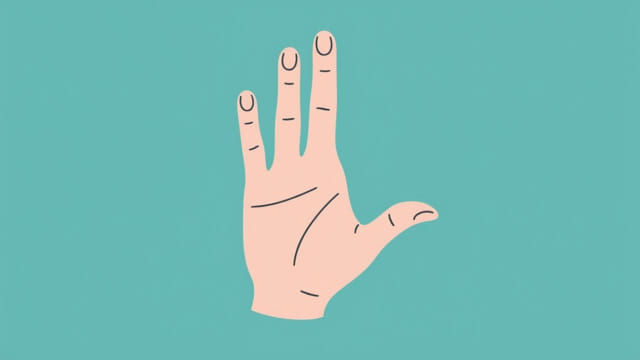
Which Hand to Read for Female in Palmistry?Palmistry, also known as chiromancy, is the ancient practice of interpreting the lines and features of the hands to gain insight into a person’s character, personality, and future. One of the most common questions that arise during palm readings is which hand should be read, especially for females. While palmistry can vary across different traditions, there are general guidelines that are widely followed to gain the most accurate readings. In this topic, we will explore which hand is typically read for women in palmistry, the significance of each hand, and how to interpret the lines on both hands.
Understanding Palmistry
Palmistry is based on the belief that the hands hold unique information about a person’s life and fate. By analyzing the shape of the hand, the lines, and the mounts, palmists can provide valuable insights into a person’s characteristics, personality traits, and potential life events. There are several key elements in palmistry, such as
-
The Lines The main lines in palmistry are the heart line, head line, life line, and fate line.
-
The Mounts These are the raised areas of the palm and each one corresponds to a different planet or energy.
-
The Shape of the Hand Palmists also consider the shape of the hand, its size, and the length of the fingers to determine personality traits.
The Two Hands in Palmistry
In palmistry, there are two primary hands that are considered
-
The Dominant Hand This is the hand a person uses most frequently, whether it’s their left or right hand.
-
The Non-Dominant Hand This is the less frequently used hand.
Both hands are important, but they offer different types of information. The dominant hand represents the present and future, while the non-dominant hand reveals insights into the past and inherited traits. Let’s take a closer look at how each hand plays a role in palmistry for females.
The Dominant Hand in Palmistry for Females
The dominant hand is generally the most important hand to read for women in palmistry. This is because the dominant hand represents the active self the person that a woman is becoming, how she lives her life, and how she approaches the world. It reveals information about her present life circumstances, current decisions, and the way she shapes her future.
For females, the dominant hand is where a palmist focuses most of their attention. This hand reflects how a woman is consciously interacting with the world, the challenges she faces, and the way she has developed through her experiences.
Key Features of the Dominant Hand
The dominant hand typically includes the following lines, which offer crucial insights into a person’s life
-
Heart Line Located at the top of the palm, this line reflects emotions and relationships. The heart line on the dominant hand reveals how a woman currently expresses love, handles relationships, and what her emotional state is at present.
-
Head Line The head line runs across the palm and reveals a person’s intellectual abilities and thought processes. On the dominant hand, this line indicates how a woman approaches decision-making, creativity, and mental challenges in her everyday life.
-
Life Line The life line is one of the most important lines in palmistry. It starts at the edge of the palm near the thumb and curves around the ball of the thumb. It represents a person’s overall life journey, including health and major life events. On the dominant hand, it shows how a woman is currently living her life and the challenges she may be facing.
-
Fate Line The fate line is present in some palms and runs vertically down the middle of the palm. It represents a person’s destiny or life path. In the dominant hand, the fate line may show how a woman is following her life’s purpose and how much fate or destiny plays a role in her journey.
The Non-Dominant Hand in Palmistry for Females
While the dominant hand reveals a woman’s current life and future, the non-dominant hand offers valuable insights into her past, inherited traits, and innate abilities. This hand represents the passive self, the person a woman was born to be before she was influenced by external experiences. The non-dominant hand can reveal her potential, her natural inclinations, and the traits she may have inherited from her family or upbringing.
In palmistry, the non-dominant hand is often seen as a reflection of the raw potential of a woman’s character, without the influence of her present actions. It provides a glimpse into the person she was born as, including her emotional and intellectual foundations.
Key Features of the Non-Dominant Hand
The non-dominant hand contains the same key lines as the dominant hand, but they reveal different aspects of the person’s life
-
Heart Line In the non-dominant hand, the heart line reflects a woman’s emotional tendencies before being shaped by life experiences. It may indicate how she naturally approaches love and relationships.
-
Head Line On the non-dominant hand, the head line reveals how a woman’s intellect and thought processes were before being influenced by external forces. It reflects her natural ways of thinking, decision-making, and intellectual development.
-
Life Line The life line on the non-dominant hand reveals early life experiences and the circumstances surrounding a woman’s upbringing. It provides insight into the path she was meant to follow before she began consciously altering her course.
-
Fate Line If present on the non-dominant hand, the fate line can reveal the life path that was initially intended for a woman before external factors shaped her current destiny.
Which Hand Should Be Read for Women?
For females, the dominant hand is typically the most important hand to read in palmistry. It reveals how a woman is currently shaping her life and making decisions. Since palmistry focuses on the present and future, the dominant hand is the primary source of information about how she is actively navigating her life.
However, the non-dominant hand also provides valuable insights into a woman’s past, inherited traits, and potential. Palmists often look at both hands in combination to get a fuller picture of a woman’s character and life journey. By comparing the two hands, a palmist can identify the changes a woman has made in her life and how she has evolved over time.
In palmistry, both the dominant and non-dominant hands offer unique insights into a person’s life. For females, the dominant hand is typically the one read to understand their present circumstances and future path. This hand reflects how a woman is currently shaping her life and what she is actively doing to influence her destiny. On the other hand, the non-dominant hand reveals deeper, more intrinsic qualities about her character, including her early influences and natural tendencies. By interpreting both hands, palmists can gain a holistic understanding of a woman’s life, emotions, and potential future. Palmistry continues to be a fascinating and insightful practice that many use to gain personal clarity and understanding.