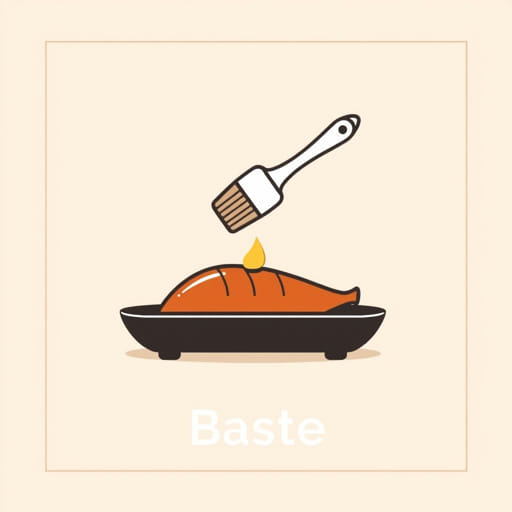
What Does Baste Mean in Cooking? A Beginner’s Guide to BastingWhen you’re preparing a dish, especially a roast or a barbecue, you may come across the term ‘baste.’ It’s a term frequently used in recipes, but if you’re not familiar with it, you might wonder exactly what it means. Basting is a cooking technique that can help keep your meats moist, flavorful, and evenly cooked. Whether you’re a novice cook or an experienced chef, understanding how to baste can elevate your culinary skills. In this topic, we’ll explore what basting means, how it’s done, and why it’s so important in certain types of cooking.
What Does Baste Mean?
At its core, basting is the process of spooning or pouring liquids, such as fats, juices, or marinades, over meat or other foods during cooking. This is typically done when roasting, grilling, or baking. The primary purpose of basting is to keep the food moist and enhance its flavor.
Basting involves applying a liquid to the food at regular intervals throughout the cooking process. The liquid used can vary depending on the dish common choices include broth, butter, oil, wine, or the natural juices released by the food itself. The technique is especially useful for large cuts of meat, like turkey or roast beef, that are cooked for a longer period.
How to Baste
Basting can be done using a variety of tools, but the most common method is to use a baster, a specialized tool with a bulb at one end to suck up the liquid and a tube for dispensing it. Alternatively, you can use a spoon, ladle, or a small pitcher. Here’s how to properly baste
-
Prepare the Liquid Choose a liquid that complements the food you’re cooking. For meats, a mixture of oil, butter, or pan drippings is often ideal. For poultry, you might use a combination of butter and herbs.
-
Use a Basting Tool Squeeze the bulb of a baster to suck up the liquid, or fill a spoon or ladle with the basting liquid.
-
Baste the Food Drizzle or spoon the liquid over the surface of the food, making sure to cover it evenly. For meats, you can pour the liquid over the top or on the exposed areas to ensure a uniform coating.
-
Repeat as Necessary Depending on the recipe and the size of the food, basting is usually repeated every 20 to 30 minutes or as instructed in the recipe.
Why is Basting Important?
Basting is an essential technique for several reasons
1. Keeps Meat Moist
One of the primary reasons for basting is to prevent meats from drying out during long cooking periods. When roasting or grilling large cuts of meat, such as turkey, chicken, or pork, the heat can cause moisture to evaporate from the surface. Basting helps to replace this moisture, ensuring that the meat remains tender and juicy.
2. Enhances Flavor
Basting with flavorful liquids can infuse the meat with added taste. For example, if you’re roasting a chicken, basting with butter, herbs, and garlic can deepen the flavor profile. The liquid also helps to form a delicious crust or glaze on the meat as it cooks.
3. Improves Even Cooking
By adding liquid to the food regularly, basting can help ensure that it cooks evenly. It allows heat to be distributed more consistently, preventing dry spots or uneven browning.
4. Helps with Caramelization
Basting with liquids like honey, syrup, or sugar-based sauces can help create a golden, crispy exterior. The sugars in these liquids caramelize when exposed to heat, adding both texture and flavor to the surface of the dish.
What Liquids Are Best for Basting?
The choice of liquid for basting depends on the type of dish you’re preparing and the flavor profile you’re aiming for. Here are some common options
1. Butter
Butter is a popular choice for basting, especially when cooking poultry like chicken or turkey. It imparts a rich, savory flavor and helps to brown the meat’s skin. Butter is also ideal for adding flavor to vegetables or seafood.
2. Oil
Olive oil or vegetable oil is often used for basting meats, particularly on the grill. Oil helps to keep the food moist while preventing it from sticking to the grill or roasting pan. It can also help to achieve a crispy exterior, especially for meats like steaks.
3. Stock or Broth
Beef, chicken, or vegetable stock is frequently used for basting, particularly for roasts and braises. Stock adds moisture and richness to the meat and helps to form a flavorful sauce when combined with the natural drippings from the food.
4. Wine or Vinegar
Wine or vinegar can also be used for basting, particularly when cooking dishes like roasts or stews. They add acidity, which can help tenderize the meat while adding a complex flavor. White wine is great for poultry, while red wine pairs well with beef.
5. Pan Drippings
When cooking meats like roast chicken or turkey, you can use the natural drippings released by the food itself for basting. This is especially flavorful, as the drippings contain concentrated juices from the meat, along with any seasonings or herbs that may have been used in the recipe.
When Should You Baste?
Basting is typically done during the cooking process, but the timing is crucial. Basting too early can wash away flavors, while basting too late might not provide the same moisture retention. Here’s when to baste
-
For Large Roasts For larger cuts of meat, such as whole chickens or turkeys, start basting after the first 30-45 minutes of cooking. After that, baste every 20-30 minutes to maintain moisture and flavor.
-
For Grilled Meats When grilling meats like steaks or burgers, basting with oil or marinades can help lock in juices. You can baste about halfway through cooking to keep the meat tender.
-
For Baking In the oven, basting is typically done when the food starts to brown on the outside, but before it’s fully cooked inside. This helps ensure that the interior remains moist.
Tips for Successful Basting
While basting is a straightforward technique, there are a few tips to ensure the best results
-
Don’t Open the Oven Too Often Every time you open the oven or grill, heat escapes, and it can increase the cooking time. Try to limit the number of times you baste to prevent unnecessary temperature drops.
-
Baste Lightly You don’t need to drown your food in liquid. A light drizzle or spoonful is usually enough to keep it moist and flavorful.
-
Use the Right Basting Tool A baster or spoon works best for getting the liquid on the food without disturbing it too much. Avoid using a fork, as it could pierce the meat and let juices escape.
-
Keep the Liquid Warm It’s best to warm your basting liquid before applying it to hot food. This helps to keep the cooking process consistent.
Basting is a simple yet effective cooking technique that helps keep your dishes moist, flavorful, and beautifully browned. Whether you’re roasting a turkey, grilling a steak, or preparing a rich, flavorful sauce, basting is a key method to elevate your cooking. By understanding how and when to baste, as well as choosing the right liquids for the job, you can ensure your meals are perfectly cooked every time. So next time you’re in the kitchen, don’t forget to baste for juicy, tender, and mouthwatering results!