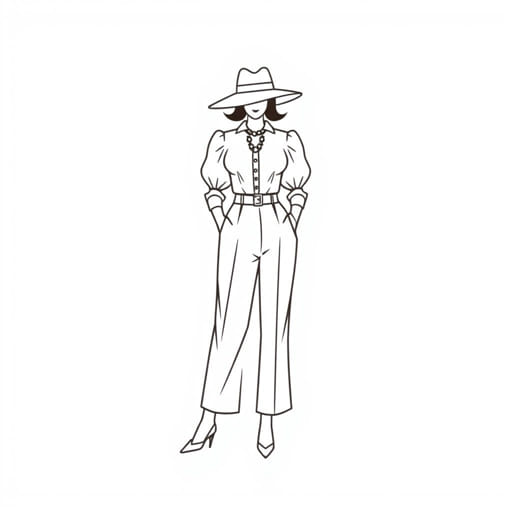
Retro outfits have long been a staple in the fashion world, not simply as a passing trend but as a timeless appreciation for the past. These styles draw inspiration from clothing and accessories that were popular in previous decades, offering a nostalgic yet stylish way to express individuality. Whether it’s the flared jeans of the 1970s, the shoulder pads of the 1980s, or the grunge aesthetic of the 1990s, retro fashion allows people to connect with eras that continue to influence modern design. Wearing a retro outfit isn’t just about looking vintage it’s about embracing a culture, making a statement, and understanding how history repeats itself in fashion.
Understanding Retro Fashion
Definition of a Retro Outfit
A retro outfit typically refers to clothing that imitates or is inspired by styles from the past, usually between the 1950s and 1990s. Unlike vintage clothing, which is often the original garment from a specific time, retro clothing is usually newly made with old-school designs. The term ‘retro’ is short for ‘retrospective,’ meaning it looks back in time while still being relevant to current trends.
Retro vs. Vintage vs. Antique
- Retro– Modern clothing or accessories that replicate older styles.
- Vintage– Original pieces produced in a specific past era, often at least 20 years old.
- Antique– Items that are generally 100 years or older, rare in fashion contexts.
Retro fashion bridges the gap between vintage authenticity and contemporary wearability, making it accessible for everyday use.
Key Eras That Influence Retro Outfits
The 1950s
The 1950s retro look often includes fitted bodices, full circle skirts, polka dot patterns, and red lipstick. It was the era of elegant femininity for women and clean-cut, polished styles for men. Think swing dresses, high-waisted trousers, and saddle shoes.
The 1960s
Fashion in the 1960s was marked by bold colors, geometric patterns, and short hemlines. Mini skirts, go-go boots, and shift dresses defined the Mod look. Men’s fashion saw the rise of tailored suits with narrow ties and slim cuts.
The 1970s
This was the decade of boho-chic and disco glam. Flared pants, platform shoes, peasant tops, and psychedelic prints were everywhere. The unisex appeal of certain styles became prominent, reflecting the changing social landscape.
The 1980s
Big, bold, and brash, 1980s fashion was all about excess. Shoulder pads, neon colors, high-waisted jeans, and leather jackets were iconic. Accessories like leg warmers and chunky jewelry also dominated the scene.
The 1990s
The 90s brought minimalism and rebellion to the forefront. Grunge fashion ripped jeans, flannel shirts, and combat boots contrasted with preppy looks like crop tops, slip dresses, and platform sneakers. The rise of streetwear also began during this era.
Common Elements in Retro Outfits
Patterns and Prints
Retro outfits are known for their distinctive patterns. These may include florals, plaids, paisleys, polka dots, or geometric designs. Each era has its own signature motifs that help define the overall aesthetic.
Fabrics and Textures
Cotton, polyester, velvet, corduroy, and denim are frequently used in retro-inspired clothing. Fabrics are often chosen to mimic the originals, giving outfits an authentic look while maintaining modern comfort.
Color Palettes
Retro color schemes vary by decade. The 1950s featured pastels and classic shades, while the 1970s leaned into earth tones and burnt hues. The 1980s exploded with neon, and the 1990s embraced both dark, moody colors and light neutrals.
Silhouettes
Silhouette plays a key role in retro fashion. Examples include cinched waists and A-line skirts from the 1950s, flared pants from the 1970s, and oversized blazers from the 1980s. These shapes contribute significantly to the outfit’s overall retro feel.
Why People Love Retro Outfits
- Nostalgia– Wearing retro clothing can evoke memories or a sense of connection to past generations.
- Individuality– Retro fashion allows wearers to stand out from fast fashion trends with distinctive styles.
- Sustainability– Choosing retro or retro-inspired pieces supports recycling and discourages wasteful consumption.
- Timelessness– Many retro styles never truly go out of fashion and often cycle back into popularity.
How to Style a Retro Outfit
Start with a Signature Piece
Choose one item that defines the retro vibe perhaps a pair of high-waisted jeans, a vintage leather jacket, or a polka-dot blouse. Use it as the foundation for your look and build around it with complementary items.
Mix Old and New
Modern accessories or footwear can tone down a full retro look, making it more wearable for daily life. Mixing pieces also prevents the outfit from feeling like a costume.
Layer Thoughtfully
Layering is key to many retro outfits. Cardigans over blouses, turtlenecks under dresses, or jackets with rolled sleeves can enhance the overall effect while adding practicality.
Accessorize with Intention
Accessories can elevate a retro outfit instantly. Consider cat-eye sunglasses, vintage-inspired handbags, scarves, or costume jewelry. These additions help complete the aesthetic without overcomplicating the outfit.
Where to Find Retro Clothing
Thrift Stores and Vintage Shops
These are treasure troves for authentic pieces. While the hunt may require patience, it often leads to unique finds that no one else has.
Online Marketplaces
Websites specializing in retro fashion or secondhand clothing offer curated selections. These platforms make it easy to shop by era, style, or price range.
Modern Brands with Retro Collections
Some contemporary fashion labels release collections inspired by specific decades. These offer new garments with the look of vintage styles, often with updated fits or fabrics for modern comfort.
Popular Retro Fashion Icons
- Audrey Hepburn– Embodied the elegance of 1950s and 1960s fashion.
- David Bowie– Known for bold, theatrical styles in the 1970s and 1980s.
- Madonna– Defined 1980s fashion with daring and trend-setting looks.
- Kurt Cobain– Grunge icon whose 1990s style still influences fashion today.
Retro outfits are more than just clothing they are a tribute to the creativity, identity, and culture of past decades. Whether someone is wearing a 1970s jumpsuit to a themed party or incorporating a vintage accessory into a modern look, retro fashion remains a dynamic and expressive way to dress. With its endless possibilities for personal expression and timeless appeal, retro clothing continues to thrive as a stylish and meaningful choice in today’s fashion landscape.