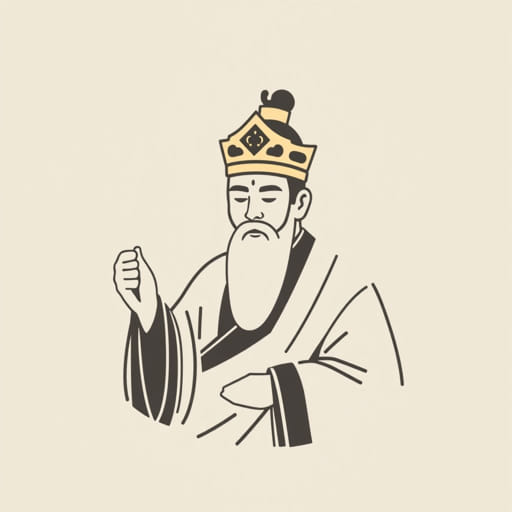
Zheng He, the legendary Chinese explorer of the early 15th century, was no ordinary admiral. Born into a Muslim family and later becoming a eunuch in the imperial court, Zheng He rose through the ranks to command some of the largest maritime expeditions in world history. His remarkable life was shaped by a unique blend of religion, politics, and imperial ambition. As a Muslim eunuch serving the Ming Dynasty, Zheng He symbolizes a fascinating intersection of cultures and traditions that influenced the course of Asian and global history. His voyages opened new channels of diplomacy and trade while solidifying China’s influence across the Indian Ocean region.
Early Life and Background
Origins in Yunnan Province
Zheng He was born in 1371 in Kunyang, a town in Yunnan province, during the late Yuan Dynasty. His birth name was Ma He, reflecting his Islamic heritage. His family belonged to the Hui ethnic group, a Muslim minority in China. His father and grandfather had both made pilgrimages to Mecca, and this legacy had a profound influence on Zheng He’s identity and worldview.
The Ming Conquest and Captivity
In the 1380s, the Ming army invaded Yunnan to consolidate control over the southern regions. During the campaign, young Ma He was captured and taken to serve the imperial household. As was common for boys conscripted into palace service, he was castrated and turned into a eunuch, a practice used to ensure loyalty and limit family power. He was eventually assigned to the household of Prince Zhu Di, who would later become the Yongle Emperor.
Rise to Power in the Ming Court
Trusted by the Yongle Emperor
Ma He gained the favor of Zhu Di through his intelligence, loyalty, and military ability. When Zhu Di seized the throne in 1402 and became the Yongle Emperor, he rewarded Ma He by giving him the surname Zheng and promoting him to high rank in the palace bureaucracy. This act symbolized Zheng He’s transformation from a captured boy into one of the most powerful figures in the Ming Dynasty.
Becoming Grand Director of the Treasure Fleet
Under the Yongle Emperor’s patronage, Zheng He was entrusted with a monumental mission: to lead a fleet of ships across the oceans to showcase China’s greatness, establish trade, and collect tribute. He was appointed Admiral of the Treasure Fleet a massive naval armada unlike anything seen before.
Zheng He’s Identity as a Muslim Eunuch
Religious Syncretism and Personal Beliefs
Though Zheng He served a Confucian imperial system and participated in Buddhist and Taoist ceremonies, he maintained elements of his Muslim faith. His voyages often included visits to Islamic communities and he built mosques along the way, such as the famous Liuhe Pagoda Mosque in China. He also made pilgrimages to Muslim holy sites during his travels, reaffirming his identity.
The Role of Eunuchs in Ming Administration
Eunuchs in the Ming court were often viewed with suspicion by scholar-officials, but they also wielded significant influence. Unlike the bureaucrats who owed their positions to the civil service exams, eunuchs were directly loyal to the emperor. Zheng He’s unique position as both a eunuch and a Muslim gave him access to different spheres of influence, allowing him to bridge cultures and communities effectively.
The Legendary Voyages of Zheng He
Scope and Scale of the Expeditions
Between 1405 and 1433, Zheng He led seven major voyages across the Indian Ocean, reaching as far as East Africa, Arabia, and Southeast Asia. His fleet included over 300 ships and tens of thousands of sailors, soldiers, and diplomats. These expeditions helped establish China as a dominant maritime power and brought back exotic goods, animals, and foreign envoys.
Encounters with the Islamic World
Zheng He’s Muslim background was particularly important during his interactions with Islamic rulers in places such as Calicut (India), Aden (Yemen), and the Swahili Coast of Africa. He was able to speak with them in a shared cultural and religious language, smoothing diplomatic relations and facilitating trade. His voyages reflected not only Chinese imperial ambition but also the broad reach of Islam in maritime Asia and Africa.
Political and Cultural Legacy
Decline of the Maritime Program
After the death of the Yongle Emperor, the enthusiasm for naval expeditions began to wane. Court officials criticized the expense and questioned the need for such extensive foreign involvement. As Confucian scholars gained more power, they curtailed Zheng He’s missions and eventually dismantled the Treasure Fleet. By the mid-15th century, China had turned inward, leaving behind the global network Zheng He helped build.
Remembering Zheng He Today
Despite centuries of relative obscurity, Zheng He has gained renewed recognition in modern times. He is celebrated in China, Indonesia, and Malaysia as a symbol of peaceful diplomacy and maritime ingenuity. In particular, his Muslim identity is honored in Islamic communities, especially in Southeast Asia where his voyages had lasting religious and cultural impact.
- Zheng He is regarded as a pioneer of early globalization.
- He helped connect China with distant parts of the Islamic world.
- His legacy includes monuments, place names, and historical reenactments.
- He symbolizes a time when China looked outward to the world.
A Figure of Global Significance
Zheng He, the Muslim eunuch who became China’s greatest admiral, stands as a remarkable figure in world history. His life story embodies the richness of cross-cultural exchange and the complexity of identity in imperial China. Through his voyages, he not only represented the power and vision of the Ming Dynasty but also created enduring bonds with the Islamic world. His dual identity as a Muslim and a eunuch allowed him to navigate both religious and political realms with skill and diplomacy. Today, Zheng He remains a symbol of international cooperation, exploration, and the far-reaching influence of China’s past. His achievements continue to inspire scholars, travelers, and leaders across continents.