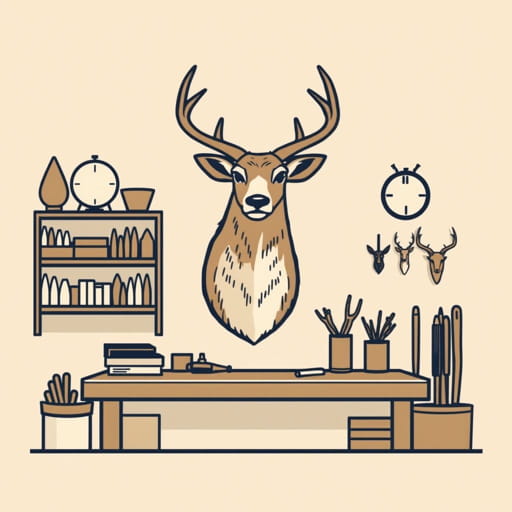
Taxidermy is a unique and detailed craft that bridges the gap between art and science. At its core, it involves preserving the bodies of animals and creating lifelike representations that can be displayed in museums, homes, or educational settings. The role of a taxidermist may seem unusual to some, but it plays a vital role in wildlife conservation, education, and even interior design. With a sharp eye for detail, knowledge of animal anatomy, and artistic skill, taxidermists turn once-living creatures into lasting specimens. Whether mounting a deer head or reconstructing a bird in flight, these professionals carry out a task that blends creativity and precision.
Definition of a Taxidermist
Understanding the Profession
A taxidermist is someone trained in the practice of preparing, stuffing, and mounting the skins of animals for display. This process is not as simple as it may sound. It requires knowledge of biology, sculpting techniques, and an understanding of how to use specialized tools and materials. Taxidermists work with a variety of animals birds, fish, reptiles, and mammals and can specialize in one type or work across many.
The Origins of Taxidermy
The art of taxidermy dates back centuries. Initially, it was used by scientists and explorers to preserve animal specimens for study and classification. Over time, it developed into a skilled trade practiced by hunters, naturalists, and artists. Today, it continues to serve both scientific and aesthetic purposes.
Main Responsibilities of a Taxidermist
1. Skinning the Animal
The process begins by carefully removing the animal’s skin. This must be done delicately to avoid tears or damage. The skin is then cleaned of fat, muscle, and any remaining tissue. In some cases, artificial parts are used to reconstruct damaged areas.
2. Preserving the Skin
Once the skin is removed, it must be treated to prevent decay. This usually involves tanning, which preserves the hide and keeps it flexible. The preservation process also eliminates any bacteria or parasites that may be present.
3. Creating a Mannequin or Form
After the skin is treated, the taxidermist constructs a mannequin or body form that will support the final mount. This form is often made from foam or wire and must match the exact dimensions of the original animal. Taxidermists may buy pre-made forms or sculpt their own.
4. Mounting the Animal
The preserved skin is then stretched over the form and secured in place. Fine details such as glass eyes, artificial tongues, or antlers are added. Adjustments are made to create lifelike poses and facial expressions. Once complete, the mount is left to dry for several weeks.
5. Finishing Touches
Once the mount is dry, the taxidermist touches up any areas that need improvement. This could include painting, airbrushing, or adding synthetic fur. The goal is to make the animal appear as natural and realistic as possible.
Types of Taxidermy
- Shoulder Mounts: Commonly used for deer, elk, or other large game animals, this type displays the head and shoulders.
- Full-Body Mounts: These involve preserving the entire animal, ideal for museum exhibits or detailed educational displays.
- Fish Mounts: Often made with replicas rather than the actual fish skin, especially for catch-and-release practices.
- Bird Mounts: Frequently used in ornithology collections to study feathers, colors, and species differences.
- Pet Taxidermy: Some people choose to memorialize their beloved pets using taxidermy, though this practice remains controversial.
Work Environment
Where Taxidermists Work
Taxidermists can be self-employed or work for museums, educational institutions, hunting supply shops, or conservation groups. Some own private studios and take commissions from individuals or organizations. Others may work in scientific labs or natural history museums, preparing exhibits for public display or research.
Tools and Materials Used
Common tools include scalpels, wire cutters, sewing needles, pliers, and paintbrushes. Materials such as foam mannequins, epoxy, clay, and preservatives are essential to the process. Safety gear, including gloves and respirators, is often required due to chemical exposure during preservation.
Skills Required
Artistic Ability
Taxidermy is not just a technical skill; it’s also an art form. The ability to sculpt, paint, and recreate natural postures is essential to creating convincing mounts.
Attention to Detail
Every feather, whisker, and facial expression must be positioned correctly. Mistakes in symmetry or placement can make a mount look unnatural or awkward.
Knowledge of Anatomy
Understanding how muscles, bones, and skin work together helps taxidermists replicate realistic animal forms. Without anatomical knowledge, the final product may lack authenticity.
Patience and Precision
The process is time-consuming and requires a steady hand. A single mount can take weeks to complete, depending on size and complexity.
Common Clients and Reasons for Taxidermy
- Hunters: Many hunters preserve trophy animals to commemorate successful hunts.
- Museums: Taxidermy plays a key role in natural history exhibits and educational displays.
- Researchers: Scientists use taxidermy specimens to study species anatomy, behavior, and evolution.
- Interior Designers: Mounted animals can be used as decorative pieces in rustic or themed settings.
- Pet Owners: Although controversial, some owners choose taxidermy to memorialize deceased pets.
Ethical Considerations
Where the Animals Come From
Reputable taxidermists obtain animals ethically. Many are hunted legally, found as roadkill, or donated by wildlife agencies. Using endangered or illegally obtained species is prohibited and heavily regulated.
Respect for Wildlife
Ethical taxidermists emphasize respect for the animals they work with. They often educate clients and the public about conservation and biodiversity through their work.
Modern Taxidermy Trends
Replicas and Alternatives
With advances in 3D printing and casting, some taxidermists now create lifelike models without using real animal parts. This trend appeals to those who love nature but prefer not to use actual animals.
Creative and Artistic Styles
Contemporary artists have begun using taxidermy in unexpected ways combining it with surrealist or abstract art to make bold statements or challenge perceptions about life and death.
So, what do taxidermists do? They bring together science, craftsmanship, and artistry to preserve the appearance of animals long after they’ve passed. Whether for education, tribute, or decoration, taxidermy continues to play a valuable role in modern society. With careful technique and ethical responsibility, taxidermists ensure that the natural world can be appreciated and studied for generations to come.