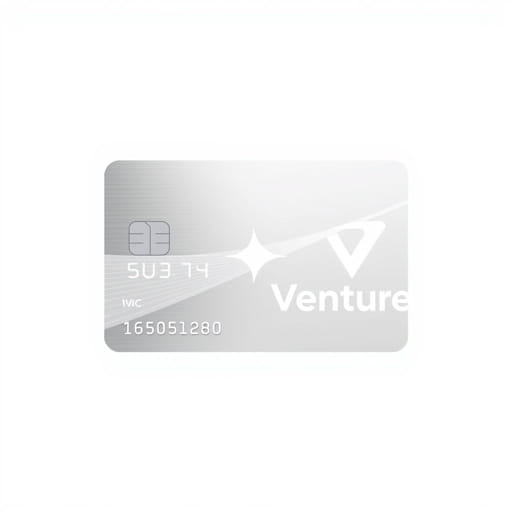
Many Capital One credit card holders find themselves wondering whether they should upgrade from the Quicksilver card to the Venture card. Both cards offer appealing rewards structures, but they serve different purposes. While the Quicksilver is a solid cashback option, the Venture card is tailored toward those who travel frequently and want to maximize miles on every purchase. If you’re currently using the Quicksilver card and considering the benefits of a travel-focused rewards program, upgrading to the Capital One Venture card could be a smart move. This topic explores how to upgrade, what to expect, and why the decision might make sense depending on your spending habits and financial goals.
Understanding Capital One Quicksilver and Venture Cards
Quicksilver Credit Card Overview
The Capital One Quicksilver card is known for its straightforward cashback structure. Cardholders earn 1.5% cash back on every purchase, with no categories to track or activate. It also offers benefits such as:
- No annual fee
- Travel and purchase protections
This card is best for users who want consistent cashback rewards without managing rotating categories or reward points.
Venture Credit Card Overview
In contrast, the Capital One Venture card is a travel rewards credit card that offers:
- 2x miles on every purchase
- Up to 5x miles on hotel and rental car bookings through Capital One Travel
- Global Entry or TSA PreCheck application credit
- Travel accident insurance and no foreign transaction fees
Although it has a $95 annual fee, the travel perks and earning potential can easily outweigh the cost for frequent travelers.
Why Upgrade from Quicksilver to Venture?
Higher Reward Potential for Travelers
If you frequently spend on travel-related expenses, the Venture card’s miles structure is far more rewarding than Quicksilver’s flat 1.5% cashback. Earning 2x miles on all purchases and even more when booking through Capital One’s travel portal can quickly add up to free flights or hotel stays.
Access to Travel Perks
In addition to better rewards, Venture cardholders gain access to premium travel benefits like travel insurance, lost luggage reimbursement, and a statement credit for TSA PreCheck or Global Entry. These features can offer convenience and peace of mind when traveling.
Utilization of Miles for Flexible Redemption
Venture card miles can be used for a variety of travel purchases. You can redeem them through Capital One Travel, transfer them to airline partners, or apply them as statement credits against travel expenses. This flexibility provides more value than fixed cashback.
Eligibility for an Upgrade
Prequalification and Internal Review
Capital One doesn’t allow all cardholders to upgrade from Quicksilver to Venture automatically. They may offer the upgrade based on factors such as:
- Credit score
- Account history and usage
- On-time payment history
- Overall account standing
Typically, you need to have a good to excellent credit score (above 700) and demonstrate responsible usage of your Quicksilver card over time.
Checking Upgrade Offers
You can check if you’re eligible for an upgrade by logging in to your Capital One account online or via mobile app. Under your Quicksilver card details, Capital One might show an upgrade option. If none appears, you can call customer service and inquire about your eligibility.
Steps to Upgrade
Contact Customer Support
If you don’t see an upgrade offer in your online account, you can call Capital One customer service. Ask if your account qualifies for a product change to the Venture card. Representatives will review your account and tell you whether you’re eligible for the upgrade.
Confirm the Terms of the Upgrade
When you’re offered an upgrade, make sure to ask the following:
- Will the annual fee begin immediately?
- Will your existing cashback rewards transfer to miles?
- Will the credit limit and account number remain the same?
- Will this result in a credit inquiry?
In most cases, the upgrade won’t affect your credit score or require a hard pull, but it’s always wise to confirm.
Review the New Card Benefits
Take time to review the benefits of the Venture card and how they align with your lifestyle. If you travel frequently or plan to use the rewards for vacation planning, the switch can provide significantly more value than remaining with the Quicksilver card.
What Happens to Your Quicksilver Account?
Account Number and Credit History
When you upgrade, your credit card account typically remains the same. This means your credit history is preserved, which is helpful for your credit score. You’ll continue using the same account, but with new benefits and features attached to the Venture card.
Conversion of Rewards
Capital One usually converts your Quicksilver cashback rewards into Venture miles at a standard rate. For instance, if you had $100 in cashback, it may convert to 10,000 Venture miles. Confirm the conversion rate with Capital One before finalizing the upgrade.
Is the Upgrade Worth It?
Who Should Upgrade
- Frequent travelers who spend on flights, hotels, and dining
- People seeking better redemption flexibility through travel partners
- Cardholders who already maximize their Quicksilver rewards and want to earn more
Who Might Not Benefit
- Those who prefer cashback over travel rewards
- People who rarely travel or spend most of their money on non-travel expenses
- Cardholders who want to avoid paying an annual fee
If you don’t travel often, the additional benefits of the Venture card may not justify the annual fee. But for those who do, the added value of travel rewards and protection can easily make up for the cost.
Upgrading from the Capital One Quicksilver to the Venture card can be a rewarding move if your financial goals align with travel and adventure. While Quicksilver offers consistent and simple cashback, Venture’s powerful miles program, travel benefits, and redemption flexibility provide more long-term value for frequent travelers. Before making the switch, consider your spending patterns, travel habits, and whether the annual fee is worthwhile in your situation. Always consult Capital One directly for accurate information about your eligibility and conversion terms. With the right approach, this upgrade can unlock more benefits from your everyday spending.
In the context of Mexican tax law, understanding the use and implications of CFDI (Comprobante Fiscal Digital por Internet) is essential for both businesses and individuals. Among the various CFDI usage codes, ‘Uso de CFDI S01 – Sin Efectos Fiscales’ raises frequent questions about whether it can be considered deductible. Although the code S01 was originally intended for general purposes without direct fiscal consequences, many taxpayers wonder if it can be used for tax deductions under specific conditions. To clarify this topic, it is important to analyze the regulatory framework, SAT guidelines, and the practical impact on expense declarations.
What Is CFDI and Why Usage Codes Matter?
Understanding CFDI in Mexico
CFDI is the digital invoicing system used in Mexico, regulated by the Servicio de Administración Tributaria (SAT), which is Mexico’s tax authority. Every time a business or individual issues an invoice, it must be digitally signed and authorized by the SAT to ensure legality and traceability. These digital receipts are mandatory for tax deduction, income declarations, and proper record-keeping.
The Role of Usage Codes (Uso del CFDI)
One of the required fields in a CFDI is the “Uso del CFDI” which indicates how the recipient plans to use the invoice. SAT provides a catalog of codes, each representing different purposes. Some of the most common codes include:
- G01 – Acquisition of goods
- G03 – General expenses
- I01 – Construction
- P01 – To be defined (deprecated)
- S01 – Without fiscal effects
The correct classification of usage ensures the invoice is valid for the recipient’s intended use, especially for deductions.
Decoding Uso de CFDI S01
Meaning of S01 – Sin Efectos Fiscales
Code S01 is used when the transaction has no tax impact or when the recipient will not claim a deduction or credit from that invoice. Typical scenarios include personal purchases, reimbursements, or other situations where the CFDI serves as a record but not as a tax-deductible document.
When and Why S01 Is Used
S01 may be used in several contexts, such as:
- Employee expense reimbursements without deductions
- Personal consumption or purchases made with business funds
- Operations not intended to be declared in tax returns
- Internal transactions where documentation is necessary, but fiscal credit is not pursued
Is CFDI with S01 Deductible?
General Rule: Not Deductible
As per SAT guidelines, a CFDI labeled as S01 is typically not deductible. The official reason is that the taxpayer has declared it will not have fiscal effects, which means it is excluded from tax deductions, VAT credits, or other fiscal benefits.
However, There Are Exceptions
Despite the general rule, there are some circumstances where the invoice might still support a deduction:
- If the usage code was selected incorrectly but the transaction clearly qualifies for deduction, SAT may allow correction.
- The recipient may request a replacement CFDI with the proper usage code (e.g., G03) from the issuer.
- In a tax audit, the expense may be allowed if all other deduction requirements are met proper documentation, payment method, and justified business purpose.
Changing the Usage Code
If a CFDI was issued with code S01 by mistake, the issuer must cancel the invoice and reissue it with the correct code. It’s crucial to act promptly, as SAT limits cancellation timeframes and imposes stricter conditions for corrections after a fiscal year closes.
Implications for Businesses and Individuals
Record-Keeping and Expense Validation
Companies and professionals must ensure that all deductible expenses are supported with CFDI showing the appropriate usage code. Using S01 for transactions that are later submitted as deductions can raise red flags during audits. SAT’s digital systems are increasingly automated and capable of flagging such inconsistencies.
Impact on VAT Credit
In the case of expenses involving Value Added Tax (IVA), S01-coded invoices cannot be used to claim a VAT credit. Since S01 explicitly declares “no fiscal effect,” SAT considers the tax component as non-recoverable by the recipient. If VAT recovery is important for the business, using codes like G03 is more appropriate.
Best Practices to Avoid Deduction Rejections
Ensure Proper Communication With Providers
Before receiving a CFDI, communicate with the supplier or service provider about the correct usage code. Make sure they understand whether the invoice will be used for deduction purposes. Clarifying the code prevents administrative issues and ensures compliance with SAT rules.
Regularly Audit Your Invoices
It is advisable to periodically review all incoming CFDIs. This helps ensure that they reflect the intended use, contain correct tax IDs (RFCs), and meet all other formal requirements. If an invoice with code S01 appears in your system, verify whether it was correctly classified or needs replacement.
Use Accounting Software with SAT Integration
Modern accounting tools in Mexico often integrate with SAT databases, allowing users to download CFDIs, classify them, and track their deductibility status. Leveraging these tools helps reduce manual errors and ensures consistency in expense declarations.
Key Considerations for Taxpayers
CFDI Classification Affects Tax Outcomes
Whether you are a freelancer, small business owner, or corporate accountant, accurate CFDI classification is critical. The difference between a deductible and non-deductible expense may hinge solely on the usage code selected during invoice issuance. Avoiding S01 when the intent is to deduct can save time and financial loss during audits.
Documentation and Business Purpose
Beyond usage codes, SAT also requires that all deductions be directly related to business activities. Even a CFDI with a correct usage code may be rejected if the business purpose is unclear or unsupported. Ensure that each expense has valid justification, appropriate payment method, and associated proof (e.g., contracts, receipts).
While the CFDI usage code S01 is designed for invoices that are not meant to generate fiscal effects, its presence on a document does not automatically mean it is entirely irrelevant for accounting purposes. However, from a tax deductibility standpoint, using S01 significantly limits your ability to claim the expense for tax reductions or VAT credits. Businesses and individuals should strive to avoid the misuse of this code by maintaining clear communication with vendors, reviewing all digital invoices, and taking corrective actions promptly when needed. By ensuring accuracy in CFDI usage codes, taxpayers can maintain compliance with Mexican tax laws, optimize their deductions, and reduce the risk of penalties during SAT reviews.
1/2