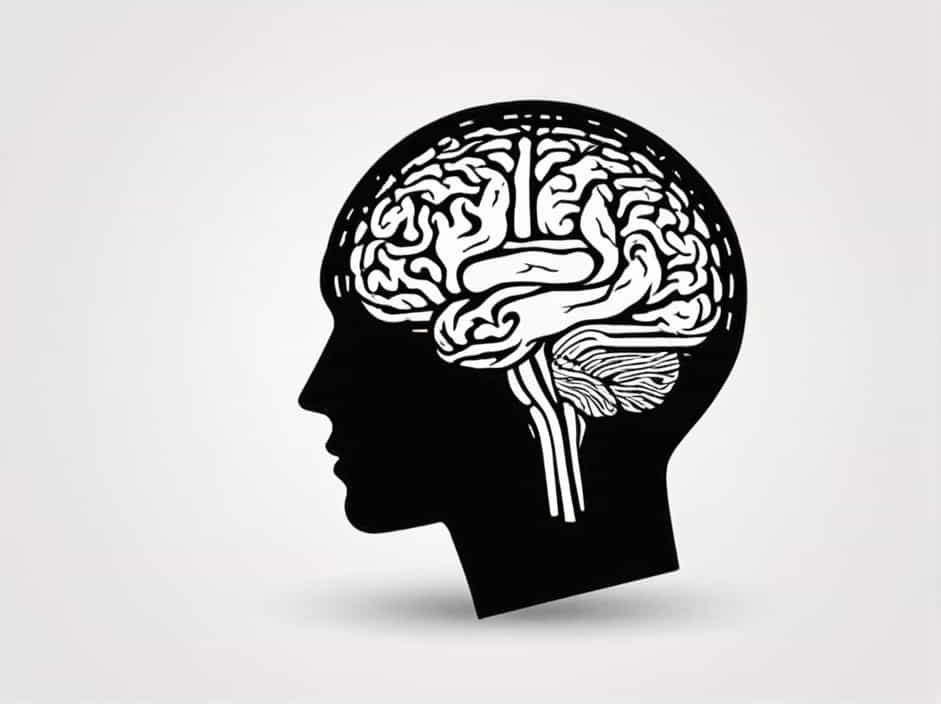
The largest and uppermost portion of the brain is the cerebrum. It is responsible for higher cognitive functions, including thinking, memory, language, sensory perception, voluntary movements, and problem-solving. The cerebrum makes up about 85% of the brain’s total weight and is divided into two hemispheres: the left and right cerebral hemispheres.
The cerebrum plays a critical role in nearly every aspect of human life, from processing sensory information to making complex decisions. Understanding its structure, function, and importance helps us appreciate how the brain controls our thoughts and actions.
1. What Is the Cerebrum?
A. Location of the Cerebrum
The cerebrum is located in the uppermost part of the brain, covering the other brain structures, including the brainstem and cerebellum. It is the most visible part of the brain, characterized by its wrinkled surface, known as the cerebral cortex.
B. Structure of the Cerebrum
The cerebrum is divided into:
- Two Hemispheres – The left hemisphere controls the right side of the body and is associated with logic, language, and analytical thinking. The right hemisphere controls the left side of the body and is responsible for creativity, spatial awareness, and intuition.
- Four Lobes – Each hemisphere is divided into four major lobes, each with distinct functions:
- Frontal Lobe – Responsible for decision-making, problem-solving, and voluntary movements.
- Parietal Lobe – Processes sensory information such as touch, temperature, and spatial awareness.
- Temporal Lobe – Involved in memory, language comprehension, and auditory processing.
- Occipital Lobe – Dedicated to visual processing.
These lobes work together to enable humans to think, perceive, and interact with the world effectively.
2. Functions of the Cerebrum
A. Higher Cognitive Functions
The cerebrum is responsible for complex mental activities, including:
- Reasoning and Problem-Solving – Helps in logical thinking and decision-making.
- Memory Storage and Recall – Stores both short-term and long-term memories.
- Language Processing – Involves speech production and comprehension, mainly controlled by Broca’s and Wernicke’s areas in the left hemisphere.
B. Sensory Processing
Different areas of the cerebrum help process sensory input from the environment, such as:
- Touch and Pain Perception – Managed by the somatosensory cortex in the parietal lobe.
- Hearing and Sound Interpretation – Handled by the auditory cortex in the temporal lobe.
- Vision and Image Recognition – Controlled by the occipital lobe.
C. Motor Control and Voluntary Movements
The primary motor cortex, located in the frontal lobe, coordinates voluntary muscle movements, allowing us to walk, write, and perform daily tasks. It works alongside the cerebellum and basal ganglia for smooth and precise movements.
D. Emotion and Personality
The cerebrum plays a key role in processing emotions and shaping personality. The limbic system, which includes structures such as the amygdala and hippocampus, helps regulate:
- Fear, anger, and happiness.
- Emotional memory formation.
- Social interactions and decision-making based on past experiences.
E. Spatial Awareness and Coordination
The parietal lobe helps individuals understand their position in space, which is crucial for:
- Hand-eye coordination.
- Object recognition.
- Navigating environments.
Without this function, basic activities like driving or walking through a crowded space would be difficult.
3. The Cerebral Cortex: The Brain’s Outer Layer
The cerebral cortex is the outermost layer of the cerebrum and is responsible for conscious thought, reasoning, and sensory processing. It is divided into:
- Gray Matter – Contains neurons that process information.
- White Matter – Contains nerve fibers that connect different brain regions.
The cerebral cortex has folds and grooves (gyri and sulci), increasing its surface area and allowing for more complex brain functions.
4. Disorders Related to Cerebrum Damage
When the cerebrum is damaged, it can lead to various neurological disorders, including:
A. Stroke
A stroke occurs when blood supply to the brain is interrupted, causing brain cells to die. Depending on the affected area, symptoms may include:
- Paralysis or weakness on one side of the body.
- Speech and language difficulties.
- Memory loss and cognitive impairment.
B. Traumatic Brain Injury (TBI)
Head injuries from accidents or falls can damage the cerebrum, leading to:
- Loss of coordination and motor function.
- Difficulty with speech and memory.
- Behavioral and personality changes.
C. Alzheimer’s Disease
This degenerative disorder affects the cerebral cortex, leading to:
- Gradual memory loss.
- Confusion and disorientation.
- Reduced problem-solving abilities.
D. Epilepsy
Abnormal electrical activity in the cerebrum can cause seizures, leading to:
- Sudden muscle spasms or loss of consciousness.
- Uncontrollable movements.
- Altered perception of reality.
5. How to Keep the Cerebrum Healthy
Maintaining brain health is crucial for preserving cognitive function and preventing neurological diseases.
A. Engage in Mental Activities
Keeping the cerebrum active helps strengthen neural connections. Activities like:
- Reading and learning new skills.
- Solving puzzles and playing strategy games.
- Practicing memory exercises.
B. Eat a Brain-Healthy Diet
Certain foods support brain function, including:
- Omega-3 fatty acids (found in fish and nuts) to boost brain cell communication.
- Antioxidants (found in fruits and vegetables) to protect neurons.
- B vitamins to improve nerve function.
C. Exercise Regularly
Physical activity increases blood flow to the brain, enhancing cognitive function. Try:
- Aerobic exercises like jogging or cycling.
- Strength training to improve brain plasticity.
- Yoga and meditation for stress reduction.
D. Get Enough Sleep
Sleep is essential for brain recovery and memory consolidation. Aim for:
- 7-9 hours of quality sleep per night.
- A consistent sleep schedule to regulate brain function.
E. Manage Stress
Chronic stress negatively affects the cerebrum. Reduce stress through:
- Deep breathing exercises.
- Spending time in nature.
- Social interactions and relaxation techniques.
6. The Role of the Cerebrum in Everyday Life
The cerebrum influences every aspect of daily life, including:
- Making decisions at work or school.
- Interpreting conversations and understanding language.
- Recognizing faces and objects.
- Controlling body movements, from walking to writing.
Without the cerebrum, humans wouldn’t be able to function as they do.
The cerebrum is the largest and uppermost portion of the brain, responsible for higher cognitive functions, sensory processing, motor control, and emotions. It plays a vital role in everything from thinking and remembering to movement and decision-making.
Protecting brain health through mental stimulation, a nutritious diet, regular exercise, quality sleep, and stress management can help maintain cognitive function and prevent neurological disorders. The cerebrum is what makes human intelligence and behavior possible, making it one of the most essential structures in the body.