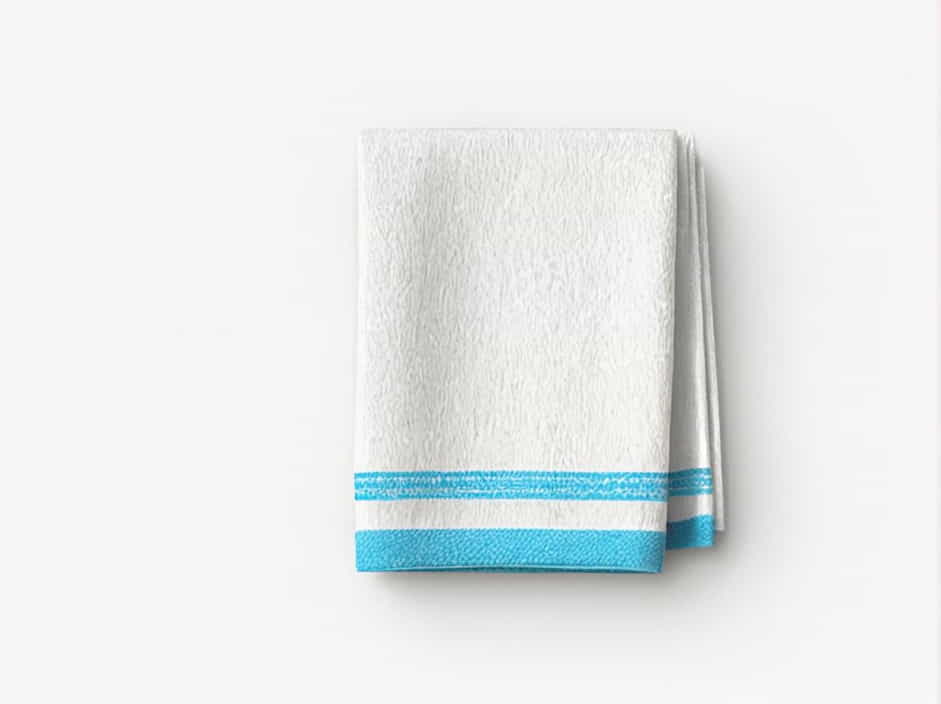
Dish towels are an essential part of any kitchen, helping with cleaning, drying dishes, and handling spills. But have you ever wondered what types of fibers are used to make them? The material of a dish towel affects its absorbency, durability, and effectiveness in daily kitchen tasks. In this topic, we will explore the different types of fibers commonly used in dish towels, their characteristics, and how to choose the best one for your needs.
Common Fibers Used in Dish Towels
Dish towels are made from various natural and synthetic fibers. Each type has unique properties that influence its performance. Here are the most common fibers found in dish towels:
1. Cotton Fibers
Cotton is the most popular fiber used in dish towels because of its high absorbency and soft texture. It is a natural fiber that comes from the cotton plant and is known for its durability and ease of washing.
Advantages of Cotton Dish Towels:
-
Highly absorbent – Can soak up water quickly, making it ideal for drying dishes and hands.
-
Soft and gentle – Won’t scratch delicate surfaces like glassware and cookware.
-
Durable – Can withstand frequent washing without losing its effectiveness.
-
Breathable – Dries relatively quickly, reducing the risk of bacterial growth.
Types of Cotton Used in Dish Towels:
-
Terry Cotton – Features looped fibers that increase absorbency. Common in fluffy dish towels.
-
Flat-Weave Cotton – Also known as flour sack towels, these are thin, lightweight, and quick-drying.
-
Organic Cotton – Grown without pesticides or chemicals, making it eco-friendly.
2. Linen Fibers
Linen is another natural fiber used in dish towels, derived from the flax plant. Linen towels are known for their strength and quick-drying properties.
Advantages of Linen Dish Towels:
-
Highly durable – Linen fibers are stronger than cotton and last longer.
-
Quick-drying – Reduces the risk of mildew and bacteria buildup.
-
Lint-free – Great for drying glassware without leaving streaks or fuzz.
-
Eco-friendly – Requires less water and chemicals to produce than cotton.
3. Microfiber Fibers
Microfiber is a synthetic fiber made from polyester and polyamide (nylon). It is designed to be super absorbent and highly effective at trapping dust and moisture.
Advantages of Microfiber Dish Towels:
-
Extremely absorbent – Can absorb several times its weight in water.
-
Fast-drying – Prevents odors and bacteria buildup.
-
Effective for cleaning – Traps dirt, grease, and dust without needing chemicals.
-
Durable – Lasts longer than many natural fibers with proper care.
4. Bamboo Fibers
Bamboo fibers are becoming increasingly popular in dish towels due to their softness, absorbency, and eco-friendliness. Bamboo is a renewable resource that grows quickly without pesticides.
Advantages of Bamboo Dish Towels:
-
Highly absorbent – Even more absorbent than cotton.
-
Antibacterial properties – Naturally resistant to bacteria and odors.
-
Eco-friendly – Bamboo is a sustainable material.
-
Soft and luxurious feel – Gentle on delicate surfaces.
5. Blended Fibers
Many dish towels use a blend of fibers to enhance performance. For example:
-
Cotton-Polyester Blends – Combine the absorbency of cotton with the durability of polyester.
-
Cotton-Linen Blends – Offer a balance of strength and softness.
-
Bamboo-Cotton Blends – Improve absorbency and antibacterial properties.
How to Choose the Best Dish Towel Fiber?
Choosing the right dish towel depends on how you plan to use it. Here are some factors to consider:
1. Absorbency Needs
-
For drying dishes and hands – Choose cotton, bamboo, or microfiber for maximum absorbency.
-
For cleaning spills and wiping surfaces – Microfiber is the best option.
-
For drying glassware – Linen is ideal because it is lint-free and quick-drying.
2. Durability
-
For long-lasting towels – Linen and microfiber last the longest.
-
For frequent washing – Cotton is durable and withstands multiple washes.
3. Eco-Friendliness
-
Best sustainable choices – Organic cotton, linen, and bamboo are eco-friendly options.
-
Avoid synthetic materials – Polyester-based microfiber is not biodegradable.
4. Softness and Texture
-
For delicate surfaces – Choose soft fibers like cotton or bamboo.
-
For scrubbing power – Microfiber or textured cotton towels work best.
5. Quick-Drying Ability
- For preventing mildew – Choose linen, microfiber, or bamboo, as they dry faster than thick cotton towels.
Caring for Different Dish Towel Fibers
Proper care helps extend the life of your dish towels and maintain their effectiveness. Here are some care tips based on fiber type:
Cotton and Linen Towels
-
Wash in warm water with mild detergent.
-
Avoid fabric softeners as they reduce absorbency.
-
Tumble dry on low heat or air dry to prevent shrinkage.
Microfiber Towels
-
Wash separately from cotton fabrics to prevent lint transfer.
-
Use cold or warm water and avoid bleach.
-
Air dry or tumble dry on low heat (high heat damages microfiber fibers).
Bamboo Towels
-
Wash in cold water to preserve the fibers.
-
Use gentle detergent without harsh chemicals.
-
Air dry or tumble dry on low to maintain softness.
Dish towels are made from various fibers, each offering different advantages. Cotton, linen, microfiber, bamboo, and blended fibers are the most common materials used. Cotton is the most popular due to its absorbency and softness, while linen is durable and quick-drying. Microfiber is excellent for deep cleaning, and bamboo is an eco-friendly choice with antibacterial properties.
Choosing the right dish towel depends on your needs, whether it’s absorbency, durability, quick drying, or sustainability. Proper care and maintenance will also ensure your dish towels stay effective and last longer. Understanding the fibers used in dish towels helps you make an informed decision for a cleaner, more efficient kitchen.