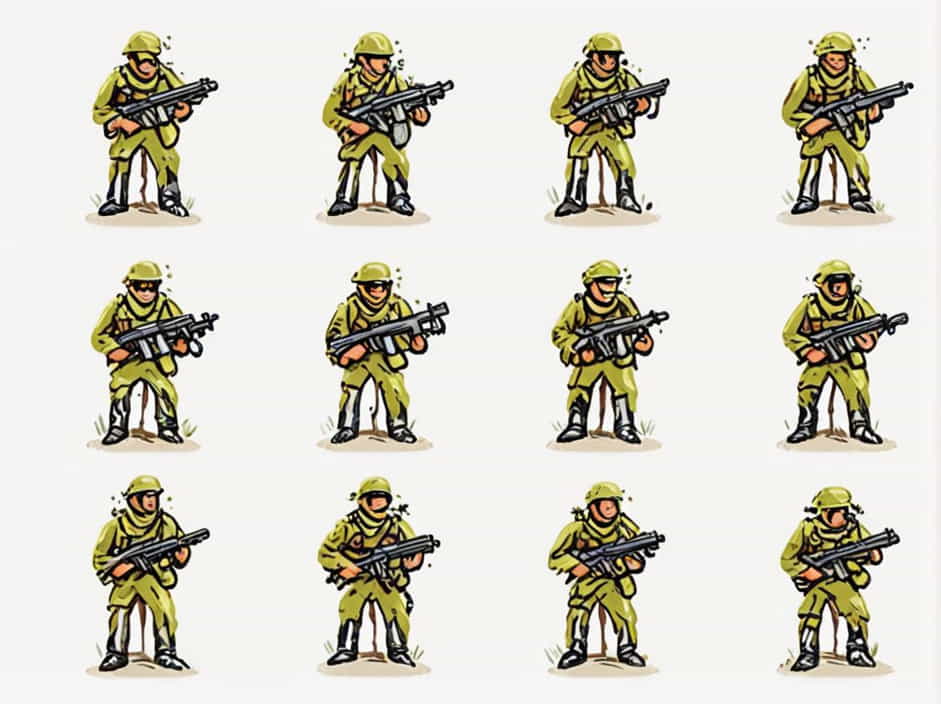
Infantrymen are the heart of any military force, responsible for engaging in ground combat, securing territories, and executing critical missions. In the United States military, infantry soldiers are often referred to as "grunts." This nickname carries a deep history and reflects the tough, demanding nature of their role. While other military specialties contribute to operations, grunts are the ones who fight on the front lines, facing the harshest conditions and enduring the most intense battles.
This topic explores the origin of the term "grunt," the role of infantrymen in modern warfare, the challenges they face, and why they remain essential to military success.
1. The Origin of the Term "Grunt"
The term "grunt" has been widely associated with infantry soldiers, but its exact origins are debated. It is believed to have gained popularity during the Vietnam War, when U.S. infantry troops referred to themselves as grunts to distinguish their hard work from other military roles.
Possible Origins of "Grunt"
-
Sound of Effort: The word "grunt" mimics the sound made when carrying heavy equipment or engaging in strenuous activity. Infantry soldiers often carry large rucksacks, weapons, and supplies, making physical exertion a daily challenge.
-
Vietnam War Slang: Many soldiers in Vietnam adopted the term as a badge of honor, emphasizing their role as frontline fighters. It became a way to show pride in enduring tough conditions.
-
Hierarchical Use: Some believe the term originated as a way for officers and higher-ranking personnel to refer to lower-ranking enlisted soldiers who did the hard, dirty work of combat.
Regardless of its exact origins, "grunt" has become a respected title among infantry soldiers, symbolizing resilience, strength, and sacrifice.
2. The Role of Infantrymen in the Military
Infantry soldiers, or grunts, have one of the most demanding jobs in the armed forces. Their primary duty is ground combat, but their responsibilities extend far beyond direct firefights.
Key Responsibilities of Infantry Soldiers
-
Engaging in Combat: Grunts fight in battles, conduct raids, and eliminate threats on the ground.
-
Securing and Holding Territory: They capture enemy positions and ensure areas remain under control.
-
Patrolling and Reconnaissance: Infantry units gather intelligence, detect enemy movements, and provide security.
-
Operating Advanced Weaponry: From rifles to grenade launchers, grunts are trained to use various weapons effectively.
-
Urban and Jungle Warfare: They adapt to different combat environments, whether in city streets or dense forests.
The infantry is often considered the most physically demanding branch of the military, requiring intense training and extreme endurance.
3. The Challenges of Being a Grunt
Infantry soldiers endure some of the toughest conditions in military service. Their job is physically, mentally, and emotionally exhausting, yet they continue to perform with unwavering dedication.
Physical Challenges
-
Heavy Loads: Grunts carry gear that can weigh 60-100 pounds or more, including weapons, ammunition, water, and survival equipment.
-
Harsh Environments: Infantry units operate in deserts, jungles, mountains, and extreme weather conditions.
-
Sleep Deprivation: Missions often require soldiers to stay awake for long periods, sometimes going days with minimal rest.
Mental and Emotional Challenges
-
Constant Stress: The risk of enemy attacks, ambushes, and combat engagements creates high levels of stress.
-
Separation from Family: Deployments can last months or even years, keeping soldiers away from loved ones.
-
Survival Mindset: Grunts must be mentally tough, prepared for life-or-death situations at all times.
Despite these hardships, infantrymen take pride in their role, knowing they are the frontline defenders of their nation.
4. Infantry Training: What It Takes to Become a Grunt
Not everyone can become an infantry soldier. The training process is rigorous, designed to push recruits to their limits and prepare them for the realities of combat.
Basic Training
All infantry recruits undergo Basic Combat Training (BCT), which lasts approximately 10 weeks. This phase includes:
-
Physical fitness drills to build endurance and strength.
-
Weapons training with rifles, machine guns, and grenades.
-
Hand-to-hand combat techniques for close-quarters fighting.
-
Tactical training to learn movement strategies, formations, and battlefield coordination.
Advanced Infantry Training
After basic training, recruits enter Advanced Individual Training (AIT) or Infantry One Station Unit Training (OSUT), where they learn:
-
Urban warfare tactics for fighting in cities and buildings.
-
Rappelling and obstacle courses to improve mobility and agility.
-
Medical training to provide first aid under combat conditions.
-
Night operations using night vision and low-light combat techniques.
Specialized Training
Some infantry soldiers receive additional training based on their assigned unit. Examples include:
-
Airborne School: For paratroopers who conduct airborne assaults.
-
Ranger School: For elite soldiers trained in extreme combat operations.
-
Sniper School: For highly skilled marksmen specializing in long-range engagements.
5. The Brotherhood of Grunts: Camaraderie and Loyalty
One of the most defining aspects of being a grunt is the strong sense of brotherhood among infantry soldiers. The shared hardships, sacrifices, and experiences create an unbreakable bond.
Why Camaraderie Matters
-
Trust in Battle: Soldiers rely on each other for survival, knowing their teammates have their backs.
-
Shared Struggles: The hardships of infantry life create deep connections that last a lifetime.
-
Lifelong Friendships: Many grunts form friendships that continue long after they leave the military.
This camaraderie extends beyond active duty, with veterans often staying in touch and supporting each other in civilian life.
6. The Importance of Infantry in Modern Warfare
Despite advancements in military technology, infantry remains the most crucial component of warfare. While tanks, aircraft, and drones play significant roles, wars are ultimately won by boots on the ground.
Why Infantry Is Still Essential
-
Human Presence Is Irreplaceable: Machines cannot capture and hold ground the way soldiers can.
-
Flexibility in Combat: Infantry can adapt to unpredictable situations faster than technology.
-
Direct Engagements: Many conflicts require face-to-face combat, where infantry excels.
The modern battlefield continues to evolve, but grunts will always be needed to secure victory.
7. The Legacy of Grunts: Heroes in History
Throughout history, grunts have played a vital role in military victories. From World War II’s Normandy landings to the Vietnam War’s jungle battles, infantrymen have consistently proven their courage and determination.
Famous Infantry Battles
-
D-Day (1944): U.S. infantry stormed the beaches of Normandy, turning the tide of World War II.
-
Battle of Hue (1968): U.S. Marines and Army grunts fought one of the most intense urban battles of the Vietnam War.
-
Fallujah (2004): American infantry engaged in fierce house-to-house combat in Iraq.
These examples highlight the bravery and sacrifice of infantry soldiers throughout history.
Infantry soldiers, known as grunts, are the backbone of any military force. They endure harsh conditions, engage in direct combat, and make sacrifices to protect their nations. Their role requires extreme physical endurance, mental toughness, and unwavering dedication.
While technology continues to change warfare, the need for infantry remains constant. The legacy of grunts lives on through history, proving that they are not just soldiers—they are warriors who shape the outcome of battles.