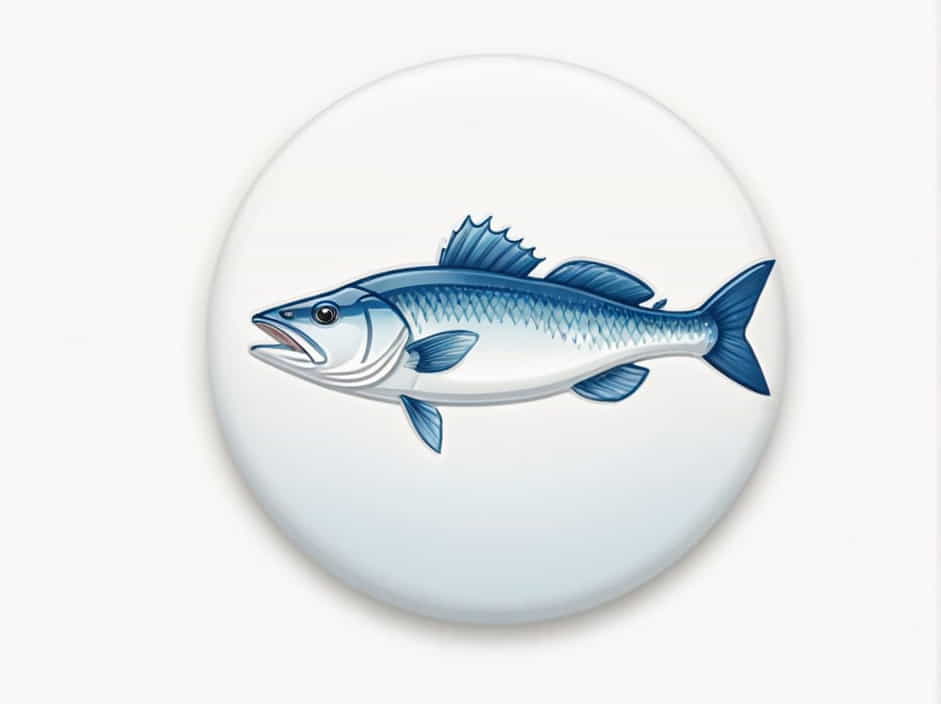
The New Zealand Bluenose Sea Bass (Hyperoglyphe antarctica) is a highly prized deep-sea fish known for its firm, white flesh and rich flavor. Commonly referred to as Bluenose, this fish is a favorite among seafood lovers and chefs due to its versatility in cooking. Found in the cold, deep waters around New Zealand, the Bluenose is not only an important species for commercial fishing but also a fascinating creature with unique characteristics.
What is the New Zealand Bluenose Sea Bass?
The Bluenose is a deep-water fish belonging to the Centrolophidae family, which includes several other species of wreckfish. It is commonly found in the temperate waters of the Southern Hemisphere, particularly around New Zealand and Australia.
Physical Characteristics
-
Color: Dark bluish-gray on the upper body, fading to a silver-gray underside.
-
Size: Can grow up to 1 meter (3.3 feet) in length and weigh over 25 kg (55 lbs).
-
Shape: A robust, streamlined body with a slightly flattened head and large eyes adapted for deep-sea environments.
-
Fins: Well-developed dorsal and pectoral fins, aiding in stability and maneuverability.
Habitat and Distribution
The Bluenose thrives in deep waters, usually between 100 and 500 meters (330 to 1,640 feet) below the surface. It prefers rocky reefs, underwater ridges, and continental slopes, where it feeds on small fish, squid, and crustaceans.
Where to Find Bluenose in New Zealand?
Bluenose is commonly found around:
-
Chatham Rise
-
East Cape
-
Fiordland
-
The Southern Ocean surrounding Stewart Island
These areas provide the perfect conditions for the Bluenose, offering both food and shelter from larger predators.
Diet and Feeding Habits
As a predatory fish, the Bluenose primarily feeds on:
-
Small fish such as pilchards and lanternfish.
-
Squid and cuttlefish, which provide a high-energy diet.
-
Crustaceans like shrimp and small crabs.
Bluenose are opportunistic hunters, meaning they adapt their diet based on what is available in their deep-sea environment.
Fishing and Commercial Importance
Bluenose in the Seafood Industry
The Bluenose is a valuable fish for both commercial and recreational fishing in New Zealand. It is harvested using methods such as:
-
Bottom longlining – A method that targets fish at specific depths while reducing bycatch.
-
Trawling – Less selective but commonly used for large-scale commercial fishing.
-
Hand-lining – Popular among sport fishers due to the challenge of catching this strong and fast-swimming fish.
Sustainability and Fishing Regulations
Because Bluenose is a slow-growing species, overfishing is a concern. New Zealand’s fisheries management has put in place strict quotas and regulations to ensure sustainability, including:
-
Catch limits to prevent overfishing.
-
Seasonal restrictions in certain areas.
-
Size limits to allow younger fish to mature and reproduce.
Fisheries agencies continuously monitor Bluenose populations to ensure they remain healthy and abundant.
Why is Bluenose So Popular?
Bluenose is a favorite among seafood lovers due to its:
-
Firm, white flesh with a mild, sweet flavor.
-
High oil content, making it moist and ideal for various cooking methods.
-
Versatility, as it can be grilled, baked, fried, or used in sushi and ceviche.
Its rich taste and firm texture make it comparable to grouper, snapper, and seabass.
How to Cook Bluenose
Bluenose is a versatile fish that can be prepared in many ways. Here are some popular cooking methods:
1. Grilled Bluenose
Grilling enhances the natural flavors of Bluenose while keeping the flesh tender and juicy.
How to prepare:
-
Season with salt, pepper, lemon juice, and olive oil.
-
Grill over medium-high heat for about 3-4 minutes per side.
-
Serve with fresh salad or roasted vegetables.
2. Pan-Seared Bluenose
Pan-searing creates a crispy golden crust while keeping the inside moist and flaky.
Steps:
-
Heat a non-stick pan with a little oil.
-
Place the fillet skin-side down and cook for 3-5 minutes.
-
Flip and cook for another 2-3 minutes.
-
Serve with a creamy lemon butter sauce.
3. Baked Bluenose with Herbs
Baking preserves the fish’s moisture and enhances its natural sweetness.
Recipe:
-
Preheat the oven to 180°C (350°F).
-
Place the fish in a baking dish with garlic, rosemary, and butter.
-
Bake for 12-15 minutes until the fish flakes easily.
4. Bluenose Ceviche
For a fresh, citrusy dish, Bluenose ceviche is an excellent choice.
Ingredients:
-
Fresh Bluenose fillets, cubed
-
Lime and lemon juice
-
Red onion, diced
-
Cilantro and chili flakes
-
Salt and pepper
Mix all ingredients and let marinate for 30 minutes before serving.
Health Benefits of Bluenose
Bluenose is nutrient-rich, providing numerous health benefits, including:
-
High protein content – Supports muscle growth and repair.
-
Omega-3 fatty acids – Promote heart and brain health.
-
Low in saturated fat – A great choice for a healthy diet.
-
Rich in vitamins B12 and D – Essential for energy and bone health.
Regular consumption of Bluenose can contribute to a balanced and nutritious diet.
Threats and Conservation
While Bluenose populations are currently stable, several threats could impact their future:
1. Overfishing
Due to high demand, Bluenose stocks have declined in some areas. Sustainable fishing practices are necessary to prevent depletion.
2. Climate Change
Rising ocean temperatures and changes in deep-sea ecosystems could affect Bluenose populations and food availability.
3. Bycatch and Habitat Damage
Some fishing methods, such as trawling, can result in bycatch and habitat destruction. Using more selective fishing techniques can help minimize these effects.
The New Zealand Bluenose Sea Bass is a remarkable deep-sea fish that plays an essential role in both marine ecosystems and the seafood industry. With its delicate flavor, firm texture, and high nutritional value, it is a favorite among chefs and seafood enthusiasts.
However, sustainable fishing practices are crucial to ensuring future generations can continue to enjoy this prized fish. Whether grilled, baked, or served raw, Bluenose remains a top choice for anyone looking for a delicious and healthy seafood option.