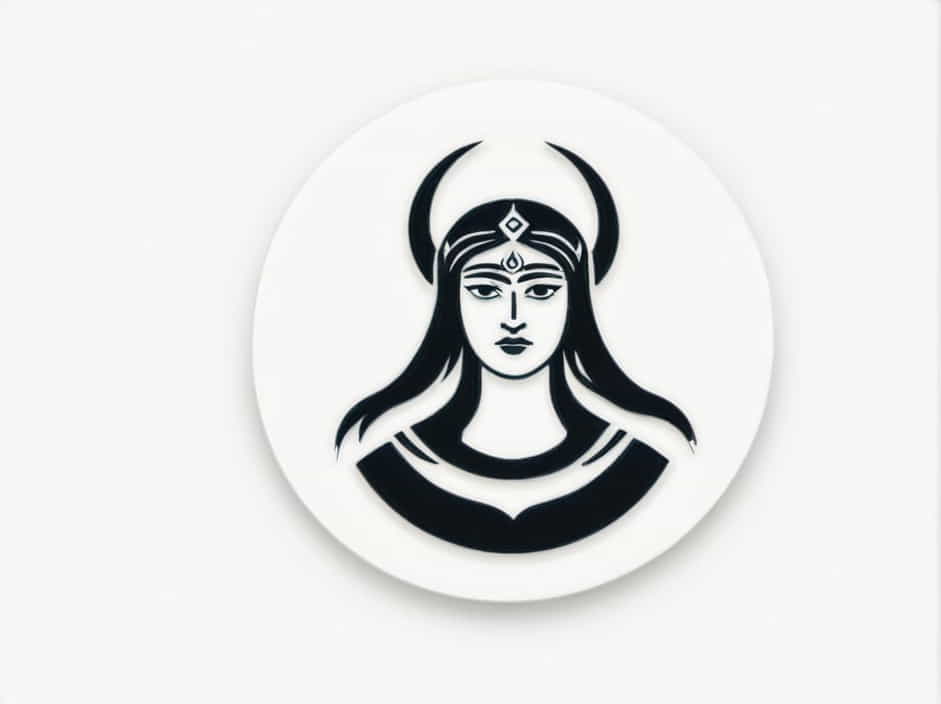
In Greek mythology, Hecate is one of the most fascinating and mysterious deities. Known for her association with the underworld, magic, and witchcraft, Hecate holds a unique position among the gods. Though often depicted as a dark and enigmatic figure, she embodies many aspects of life, death, and transformation. This topic explores what Hecate is the goddess of, her role in mythology, and how she has influenced both ancient cultures and modern interpretations.
Introduction to Hecate
Hecate is an ancient goddess whose roots stretch deep into Greek mythology. She is the daughter of the Titans Perses and Asteria, and unlike many other gods, her power is not solely tied to the Olympian gods. Hecate is associated with darkness, night, and the moon, as well as the realms of magic and the occult. Over time, she has become a symbol of the powerful forces of change, transformation, and mystery.
Despite her initial portrayal as a protector of the home, over the centuries, Hecate’s role evolved to include a much darker and more complex set of associations.
Hecate: Goddess of Magic and Witchcraft
The Power of Magic
One of the key aspects of Hecate’s identity is her deep connection to magic. She is often considered the goddess of witchcraft, sorcery, and the mystical arts. In ancient Greece, people turned to her for guidance in matters of magic, spells, and divination. Hecate’s knowledge of the supernatural made her a powerful figure in both everyday rituals and darker, more mysterious practices.
Hecate’s connection to magic is not limited to human practices but also extends to the gods and spirits. She is often portrayed as possessing great power over the unseen world, able to control and manipulate forces beyond human comprehension. This includes her ability to control the elements, influence fate, and even communicate with the dead. In this sense, Hecate embodies the unpredictable and transformative nature of magic itself.
Hecate: Goddess of the Underworld
Guardian of the Boundaries
Another prominent aspect of Hecate’s domain is the underworld. Though she is not the ruler of the underworld (that title belongs to Hades), Hecate plays a crucial role as a guide and guardian of the realms of the dead. She is often depicted as a figure who watches over the souls of the departed, helping them navigate their journey into the afterlife.
In this role, Hecate is sometimes described as a psychopomp, a being who guides souls to the afterlife. She is also known to have assisted Persephone during her descent into the underworld, highlighting her connection to the darker realms of existence.
Additionally, Hecate has the power to cross the boundaries between life and death, making her a liminal figure, existing on the threshold between the physical world and the spiritual one.
Hecate: Goddess of the Moon and Night
Lunar Connections
In addition to her dominion over magic and the underworld, Hecate is also deeply connected to the moon. She is often associated with the dark phases of the moon and is sometimes considered a triple goddess, representing the three aspects of the moon: the waxing, full, and waning phases. These associations link Hecate to the cycles of change, growth, and decline.
Her lunar connection emphasizes her role as a goddess of night and the unknown. The moon has always been a symbol of mystery, and Hecate embodies that mystery. As the moon’s phases wax and wane, so too does Hecate’s influence shift, making her a dynamic and ever-changing deity. The moon’s illumination is often seen as both a source of guidance in the darkness and a symbol of the hidden, unseen aspects of life.
Hecate and Her Triple Aspect
The Triple Goddess: Maiden, Mother, and Crone
Hecate is often depicted as a triple goddess, symbolizing her ability to manifest in three different forms. This triadic nature has deep roots in ancient beliefs about the different stages of a woman’s life. As a triple goddess, Hecate embodies the full spectrum of feminine power and influence.
-
The Maiden: Representing youth, vitality, and potential, this aspect of Hecate is connected to the new moon and the beginning of cycles. She is a figure of initiation and transformation.
-
The Mother: As the nurturing and protective aspect of Hecate, the mother represents the full moon and the fertility of life. This stage symbolizes Hecate’s ability to give birth to new ideas, projects, and life forms.
-
The Crone: The crone aspect of Hecate is often associated with wisdom, death, and transformation. The waning moon and the dark of night are linked to this phase, representing endings, introspection, and the power of rebirth.
Hecate’s Role in Greek Myths
Key Myths Involving Hecate
Though Hecate may not be as central a figure in Greek mythology as other gods like Zeus or Apollo, she plays an important role in several myths.
-
The Abduction of Persephone: Perhaps the most significant myth involving Hecate is her role in the story of Persephone’s abduction by Hades. After Persephone was taken to the underworld, Hecate came to her aid, offering her guidance and assistance. She is often depicted as the one who lit Persephone’s way with a torch, leading her through the darkness.
-
Her Role in the Iliad and the Odyssey: Hecate also makes appearances in Homer’s Iliad and Odyssey, where she is sometimes invoked for her power and wisdom. In the Odyssey, for example, she is called upon to help guide Odysseus in his journey through the underworld.
Hecate’s Symbols and Depictions
Common Symbols of Hecate
Hecate is typically depicted with several symbols that reflect her domains. These include:
-
Torches: Often shown holding torches, Hecate’s association with light in the darkness symbolizes her role as a guide through the night and the underworld.
-
Keys: Keys are symbolic of Hecate’s ability to unlock the doors to hidden knowledge, the underworld, and the mysteries of life and death.
-
Dogs: Hecate is often accompanied by dogs, which are linked to her role as a guardian of the boundaries between the living and the dead.
-
Snakes: Snakes are another common symbol associated with Hecate, representing her ability to transform and her control over the natural world.
Hecate’s Influence on Modern Culture
A Lasting Legacy
Hecate’s legacy extends far beyond ancient Greek mythology. In modern times, she is often regarded as a symbol of empowerment, especially in spiritual and occult communities. Her association with magic, transformation, and wisdom makes her a powerful figure in contemporary witchcraft and neopagan traditions. In many modern witchcraft practices, Hecate is honored as a goddess of the night and the protector of those who walk the path of magic.
She is also frequently depicted in popular culture, including literature, film, and television, often as a mysterious and powerful figure with control over dark forces. Her archetype as the wise woman or crone has made her an enduring symbol of feminine power and autonomy.
Hecate, the goddess of magic, the underworld, and the moon, remains one of the most complex and captivating figures in Greek mythology. From her role as a guide to the dead to her association with the supernatural, Hecate embodies the forces of transformation, mystery, and change. As a protector of boundaries and a deity with control over both light and dark, she continues to inspire and intrigue people across cultures and ages, making her a goddess whose power transcends time.