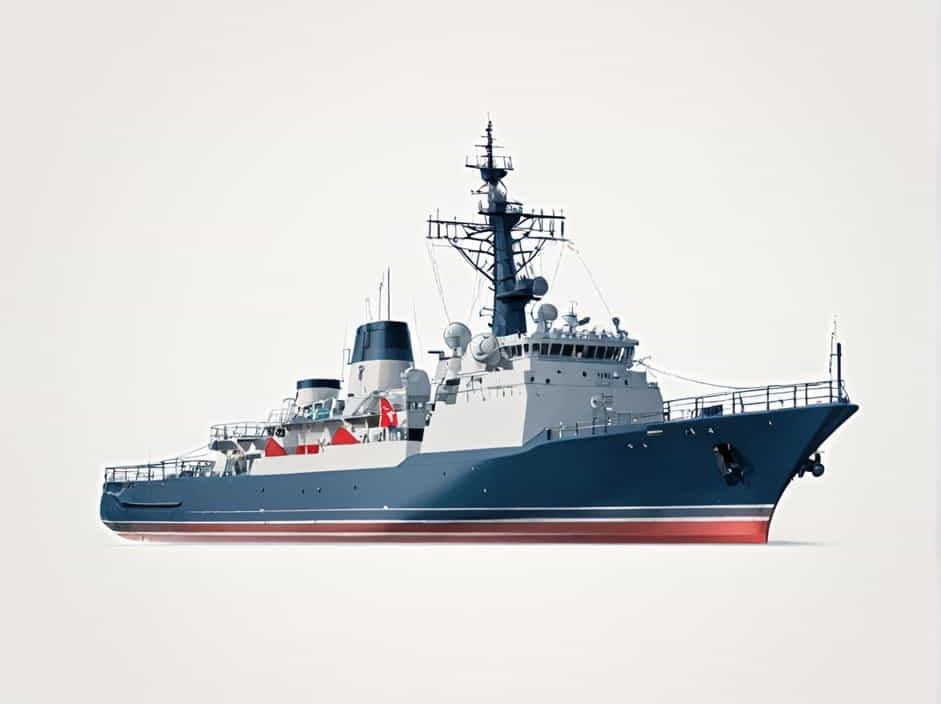
The HMNZS Manawanui was an essential vessel in the Royal New Zealand Navy (RNZN), serving as a hydrographic dive and survey ship. It played a crucial role in underwater exploration, military operations, and disaster relief missions. However, in October 2024, the ship made global headlines when it ran aground and later sank off the coast of Upolu, Samoa. This topic explores the ship’s history, purpose, operational capabilities, and the circumstances of its tragic accident.
History and Development
The HMNZS Manawanui was originally constructed as a commercial offshore support vessel before being acquired by the New Zealand government. It was commissioned into the RNZN in 2019 to replace previous hydrographic survey ships. The vessel was named Manawanui, which means “steadfast” or “resolute” in the Māori language, reflecting its commitment to naval service.
This ship was designed for diving operations, underwater surveys, and search-and-rescue missions. It was also used in disaster relief efforts, providing assistance in the Pacific region.
Technical Specifications
The HMNZS Manawanui was well-equipped for hydrographic and diving missions. Below are its key technical specifications:
-
Displacement: 5,700 tons
-
Length: 85 meters
-
Beam (Width): 18 meters
-
Speed: 12 knots (22 km/h)
-
Crew Capacity: 66 personnel (including divers and survey teams)
-
Equipment: Dive support systems, remotely operated underwater vehicles (ROVs), and advanced sonar mapping technology
With its state-of-the-art technology, the ship was crucial for underwater reconnaissance, seabed mapping, and military exercises. It was often deployed for maritime security and environmental protection tasks.
Role in the Royal New Zealand Navy
As a multi-purpose vessel, HMNZS Manawanui served various strategic functions:
1. Hydrographic Surveying
One of the primary missions of the ship was hydrographic surveying, which involved mapping the ocean floor and ensuring safe navigation routes for naval and commercial ships.
2. Mine Countermeasures
The ship was equipped to detect and neutralize underwater mines, making it a key asset for naval security operations.
3. Diving Support
With specialized diving equipment, the ship facilitated deep-sea diving missions, including shipwreck investigations and salvage operations.
4. Disaster Relief and Humanitarian Assistance
The vessel was frequently deployed to Pacific Island nations after natural disasters such as cyclones and earthquakes. It provided aid, medical support, and logistical assistance.
5. Military Training and Cooperation
HMNZS Manawanui also participated in joint training exercises with allied navies, strengthening New Zealand’s maritime defense partnerships.
The Grounding and Sinking of HMNZS Manawanui
How the Incident Happened
On October 5, 2024, HMNZS Manawanui was conducting a survey operation near Tafitoala, Samoa, when it ran aground on a coral reef. Initial reports suggested that strong winds and rough seas played a role in the incident.
Unfortunately, the ship suffered critical damage, which led to a fire breaking out onboard. By the morning of October 6, the vessel had completely sunk beneath the waves.
Crew Evacuation and Rescue
The ship had 75 crew members and passengers onboard when the accident occurred. The New Zealand Defence Force (NZDF) coordinated a rapid evacuation, ensuring everyone safely left the vessel before it sank.
Rescue boats and lifeboats were deployed, and despite the challenging weather conditions, all personnel were successfully rescued. Some sustained minor injuries, such as cuts and bruises, but there were no fatalities.
Investigation and Findings
Following the sinking, the New Zealand Defence Force launched a Court of Inquiry to determine the cause of the accident. The investigation revealed several critical errors:
1. Human Error
The crew had mistakenly left the ship’s autopilot engaged, which led to a failure in maneuvering around the reef.
2. Equipment Malfunction
A thruster control issue was misdiagnosed, further complicating the crew’s ability to steer the vessel away from danger.
3. Lack of Training
The investigation found that some crew members lacked sufficient training in emergency response procedures, affecting their ability to react swiftly.
4. Poor Weather Conditions
High winds and rough sea conditions made it difficult to navigate, but these should have been anticipated in the ship’s operational planning.
Environmental Impact
With the sinking of HMNZS Manawanui, environmental concerns quickly emerged, particularly regarding oil spills and pollution. Local residents near the wreck site reported the smell of fuel and observed oil slicks in the water.
New Zealand authorities and environmental agencies worked to assess and contain the impact, ensuring minimal damage to marine life and coral reefs.
The Aftermath and Lessons Learned
1. Strengthening Crew Training
The Royal New Zealand Navy has since revised its training programs, ensuring that all personnel receive more rigorous preparation in handling emergencies and navigation challenges.
2. Enhancing Ship Safety Measures
Future naval operations will focus on improving safety protocols, including better risk assessments before conducting hydrographic surveys in hazardous areas.
3. Learning from the Incident
The sinking of HMNZS Manawanui serves as a reminder of the risks involved in naval missions. The Navy is now working to implement lessons learned from the tragedy to prevent similar accidents in the future.
The HMNZS Manawanui played a vital role in the Royal New Zealand Navy, contributing to hydrographic surveys, military training, disaster relief, and security operations. Its tragic sinking off Samoa in 2024 was a major loss for the Navy but also provided valuable lessons in navigation safety, crew training, and operational planning.
While the ship is no longer in service, its legacy remains an important part of New Zealand’s naval history. The incident underscores the importance of caution, preparedness, and technological advancements in modern maritime operations.