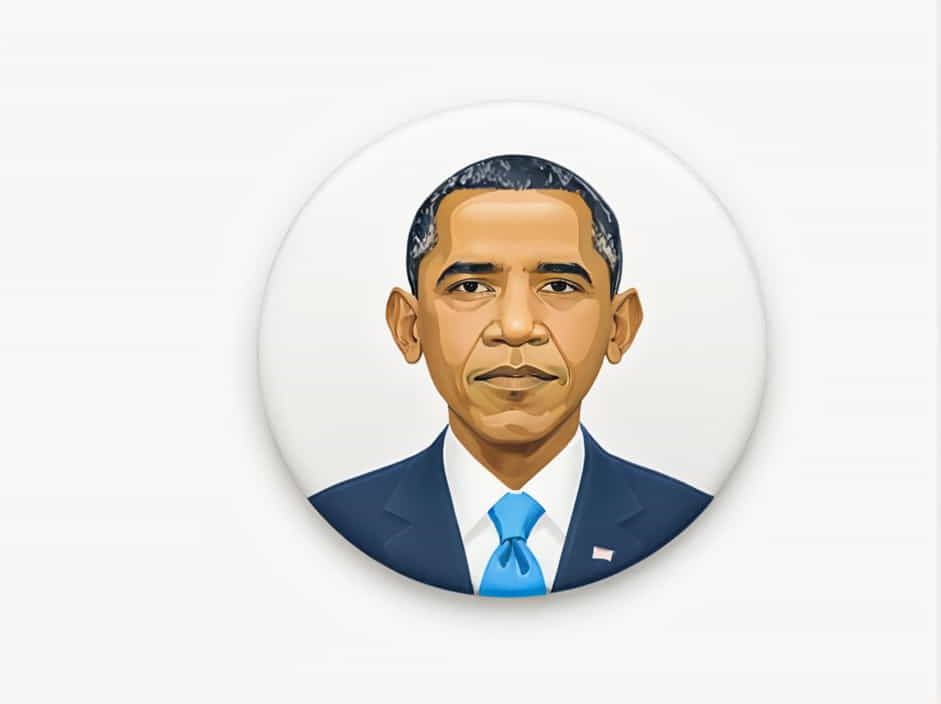
Barack Obama made history when he was inaugurated as the 44th president of the United States. His election marked a significant moment in American history, not only because he was the first African American president but also because of his relatively young age when he assumed office. Understanding Obama’s age at inauguration provides insight into his presidency, the energy he brought to the White House, and how he compared to other U.S. presidents.
How Old Was Barack Obama When He Took Office?
Barack Obama was 47 years old when he was sworn in as President of the United States on January 20, 2009. Born on August 4, 1961, Obama was among the youngest individuals ever to assume the presidency. His youth was often highlighted as a strength, as it symbolized a new era of leadership, hope, and change in American politics.
Obama’s Age Compared to Other Presidents
Obama was not the youngest president in U.S. history, but he was among the youngest. Here’s how his age compares to other notable presidents:
-
The Youngest President: Theodore Roosevelt became president at 42 years old in 1901 after the assassination of William McKinley.
-
The Youngest Elected President: John F. Kennedy was elected at 43 years old in 1960.
-
Obama’s Position: At 47, Obama was younger than most modern presidents at the time of his election.
-
Recent Presidents: George W. Bush was 54, Bill Clinton was 46, and Donald Trump was 70 when they took office.
Obama’s youthful energy played a major role in his campaign, appealing to younger voters and advocating for progressive policies that resonated with the next generation.
The Impact of Obama’s Age on His Presidency
1. Energy and Charisma
Obama’s age was often associated with his dynamic personality, powerful speeches, and ability to connect with diverse demographics. He effectively used social media, a relatively new tool in politics, to engage young voters and drive grassroots support.
2. Appeal to Younger Generations
As a younger president, Obama’s policies and campaign strategies were designed to engage millennials and first-time voters. His administration focused on issues like:
-
Expanding access to healthcare (Affordable Care Act)
-
Student loan reforms
-
Climate change initiatives
3. Contrast with Previous Leaders
Compared to his predecessor, George W. Bush, and his successor, Donald Trump, Obama’s younger age contributed to a sense of freshness and a break from traditional political norms. His speeches, branding, and overall approach to governance were seen as modern and forward-thinking.
Obama’s Second Term and Age at Leaving Office
After winning re-election in 2012, Obama served his second term until January 20, 2017. By the time he left office, he was 55 years old. This means that Obama spent a significant portion of his late 40s and early 50s as the leader of the United States.
Legacy of a Young President
Despite his relatively young age when taking office, Obama left behind a lasting legacy. His administration’s key achievements include:
-
The Affordable Care Act (Obamacare) – Providing healthcare access to millions of Americans.
-
Ending the War in Iraq – Fulfilling a campaign promise to withdraw U.S. troops.
-
Killing Osama bin Laden – A significant foreign policy victory.
-
Paris Climate Agreement – A commitment to fighting climate change.
-
DACA (Deferred Action for Childhood Arrivals) – Protecting undocumented immigrants who arrived as children.
His time in office was marked by both triumphs and challenges, but his youth and energy helped him navigate the complex world of politics and governance.
Barack Obama was 47 years old when he became President of the United States, making him one of the youngest individuals to ever hold the office. His youthful approach to leadership, ability to connect with diverse voters, and commitment to progressive policies defined his presidency. Even after leaving office at 55, Obama remains an influential figure in American politics, continuing to inspire new generations of leaders.