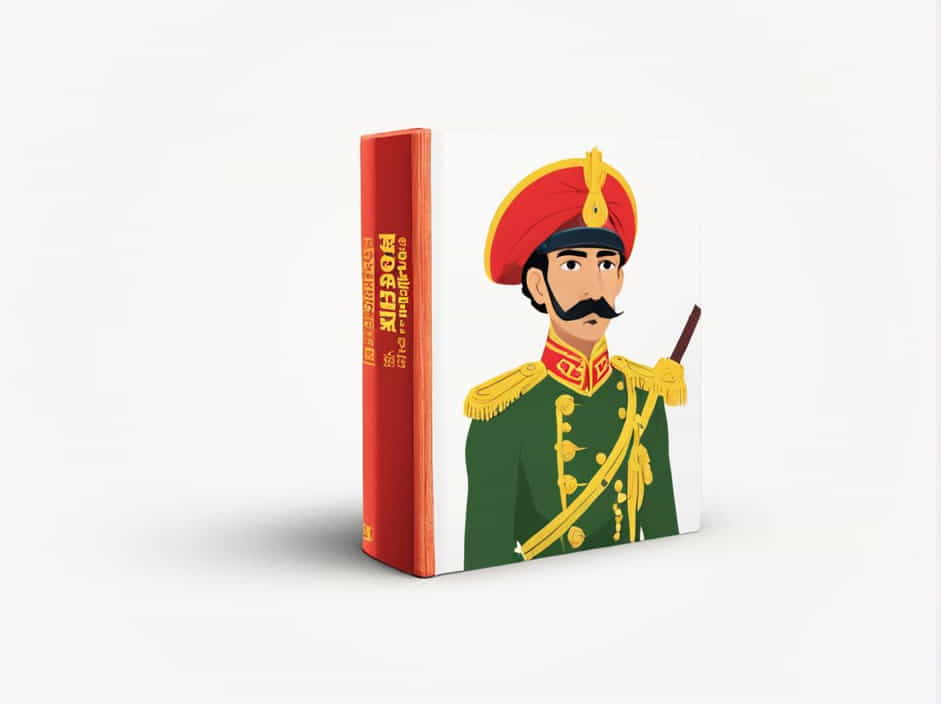
The Sepoy Mutiny of 1857, also known as the Indian Revolt of 1857, stands as one of the most significant events in the history of India. It marked a turning point in British colonial rule and is often considered the first major attempt by Indians to resist British domination. This topic delves into the causes, events, and lasting impact of the Sepoy Mutiny, as well as the various books that have chronicled this pivotal moment in history.
The Sepoy Mutiny: An Overview
What Was the Sepoy Mutiny?
The Sepoy Mutiny of 1857, also referred to as the Indian Revolt, was a widespread rebellion against British rule in India. It began as a mutiny of Indian soldiers, known as sepoys, who were employed by the British East India Company. The revolt started in Meerut in May 1857 and quickly spread to other parts of northern and central India, including Delhi, Kanpur, and Lucknow.
The mutiny began as a result of various factors, including grievances over the treatment of sepoys by their British officers, cultural and religious insensitivity, and the introduction of new rifle cartridges believed to be greased with cow and pig fat. These cartridges were offensive to both Hindu and Muslim sepoys, as cows are sacred in Hinduism and pigs are considered unclean in Islam.
Key Events of the Revolt
The rebellion began when sepoys in Meerut mutinied against their British officers and marched to Delhi, where they proclaimed the Mughal Emperor Bahadur Shah II as the symbolic leader of the revolt. This led to a series of battles, with significant resistance in key cities like Delhi, Kanpur, and Lucknow. The British forces, though initially caught off guard, eventually regained control of the major territories after intense fighting.
The rebellion was marked by brutal violence on both sides, with the British retaliating harshly, executing rebels, and capturing key leaders. Despite initial successes, the revolt was suppressed by the British by mid-1858, but its legacy left an indelible mark on India’s fight for independence.
The Causes of the Sepoy Mutiny
Cultural and Religious Factors
One of the primary causes of the Sepoy Mutiny was the cultural and religious insensitivity of the British East India Company. The introduction of the new Enfield rifle cartridges, which were rumored to be greased with animal fat, sparked outrage among both Hindu and Muslim sepoys. For Hindus, the use of cow fat was sacrilegious, and for Muslims, the use of pig fat was equally offensive. This controversy fueled deep resentment among the sepoys, contributing to the outbreak of the revolt.
Social and Economic Discontent
The social and economic conditions of the Indian population also played a significant role in the uprising. The British imposed heavy taxes on land, which resulted in widespread poverty among the Indian peasantry. Furthermore, British economic policies favored the interests of the British over those of the Indian population, causing significant economic hardship.
In addition, the British practice of annexing Indian kingdoms and replacing native rulers with British officials angered many Indians. The Doctrine of Lapse, introduced by Lord Dalhousie, allowed the British to annex any princely state that did not have a direct male heir, further alienating the Indian nobility.
Military Discontent
The sepoys themselves, who made up the majority of the British East India Company’s army, were also discontented. They were poorly paid, subjected to harsh discipline, and treated unfairly by their British officers. The lack of respect for their cultural and religious practices further exacerbated their grievances. These factors combined to create a volatile environment that ultimately led to the mutiny.
The Role of Key Leaders in the Revolt
Mangal Pandey
Mangal Pandey is one of the most famous figures associated with the Sepoy Mutiny. A sepoy in the British East India Company’s army, he is believed to have been one of the first to rebel against the British. On March 29, 1857, Pandey attacked his British officers in Barrackpore, marking the beginning of the revolt. Although Pandey was captured and executed, his actions inspired many others to join the mutiny.
Rani Lakshmibai of Jhansi
Another prominent leader during the revolt was Rani Lakshmibai, the queen of the princely state of Jhansi. After her kingdom was annexed by the British, Rani Lakshmibai became a symbol of resistance. She led her forces in battles against the British, most notably during the siege of Jhansi. Her bravery and leadership made her an iconic figure in the revolt and a symbol of India’s struggle for independence.
Bahadur Shah II
The Mughal Emperor Bahadur Shah II, who had little power by the time of the revolt, was proclaimed the symbolic leader of the rebellion by the mutineers. Despite his limited role in the actual fighting, his involvement in the revolt symbolized the desire for the restoration of Indian rule and the end of British dominance.
The Aftermath of the Sepoy Mutiny
The End of the East India Company
The suppression of the Sepoy Mutiny had significant consequences for British India. In 1858, following the rebellion, the British government decided to dissolve the British East India Company and assume direct control over India. This marked the beginning of the British Raj, a period of direct British rule that lasted until India gained independence in 1947.
Impact on Indian Society
The revolt led to a reshaping of Indian society. While it did not immediately result in Indian independence, it sparked a sense of national unity among Indians and laid the foundation for future resistance movements. The British response to the mutiny was harsh, with widespread reprisals against those suspected of being involved in the revolt. However, the memory of the revolt would continue to inspire generations of Indians in their struggle for independence.
Books on the Sepoy Mutiny and the Revolt of 1857
Several books have been written to document the Sepoy Mutiny and its significance. These works explore the causes, events, and aftermath of the revolt, providing valuable insights into this critical period in Indian history.
"The Sepoy Mutiny and the Revolt of 1857" by K.K. Aziz
One of the most well-known books on the subject is "The Sepoy Mutiny and the Revolt of 1857" by K.K. Aziz. The book provides a comprehensive overview of the revolt, examining its causes, key events, and impact on Indian society. Aziz’s work highlights the role of various leaders and offers a critical analysis of British colonial policies during the period.
"The Indian Mutiny of 1857" by Saul David
Saul David’s "The Indian Mutiny of 1857" offers a detailed and well-researched account of the events leading up to the mutiny, the major battles fought during the revolt, and the aftermath. David delves into the lives of key figures like Mangal Pandey, Rani Lakshmibai, and Bahadur Shah II, providing a nuanced understanding of their roles in the rebellion.
The Sepoy Mutiny of 1857, or the Indian Revolt, remains a pivotal moment in India’s history. While it did not immediately result in the expulsion of the British from India, it was a major catalyst for the country’s eventual struggle for independence. The revolt highlighted the deep-seated discontent with British colonial rule and set the stage for the rise of national movements in the years to come. The books chronicling the revolt offer valuable insights into this critical period and continue to inform our understanding of one of India’s most significant historical events.