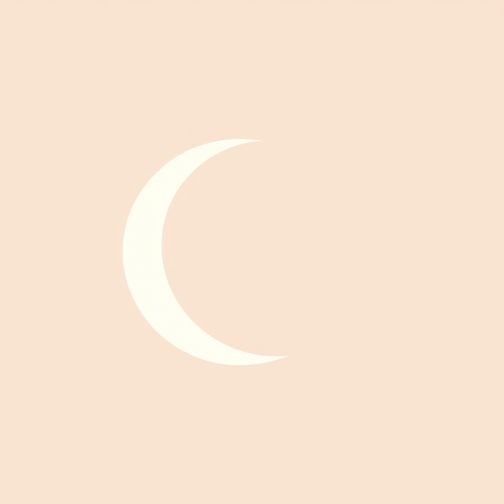
Crescent and Gibbous Moon Difference Understanding Moon Phases Made SimpleThe Moon is a familiar sight in the night sky, constantly changing its appearance through a cycle of phases. Two of the most commonly observed shapes are the crescent moon and the gibbous moon. While both are partial phases between the new moon and full moon, they differ significantly in appearance and position in the lunar cycle. Understanding the difference between a crescent and gibbous moon helps us appreciate how the Moon’s position relative to the Earth and Sun changes over time.
What Are Moon Phases?
Moon phases are the different shapes of the Moon visible from Earth as it orbits our planet. These phases result from the changing angles of sunlight hitting the Moon and reflecting back to us.
The major phases include
-
New Moon
-
Waxing Crescent
-
First Quarter
-
Waxing Gibbous
-
Full Moon
-
Waning Gibbous
-
Last Quarter
-
Waning Crescent
Among these, the crescent moon and gibbous moon are partial phases neither fully dark nor fully illuminated.
Definition of Crescent Moon
The crescent moon appears as a thin, curved sliver of light. It occurs when only a small portion of the Moon’s surface is lit up by the Sun. This phase is seen just before or after the new moon.
There are two types
-
Waxing Crescent The Moon is growing, moving from new moon toward first quarter.
-
Waning Crescent The Moon is shrinking, moving from last quarter back to new moon.
In both cases, the crescent shape indicates that less than half of the Moon’s surface is illuminated.
Definition of Gibbous Moon
The gibbous moon appears when more than half of the Moon is lit but it’s not yet full. It looks almost round but with a noticeable shadow on one edge. This phase happens between the first quarter and full moon, and again between full moon and last quarter.
Types of gibbous moon
-
Waxing Gibbous The Moon is increasing in light, heading toward full moon.
-
Waning Gibbous The Moon is decreasing in light, moving away from the full moon.
Gibbous moons are brighter and larger in appearance compared to crescent moons.
Visual Difference
The most obvious difference lies in the amount of illumination
-
Crescent Moon Less than 50% of the visible surface is lit
-
Gibbous Moon More than 50% of the visible surface is lit
The crescent looks like a slim arc, while the gibbous looks almost round but with a small dark edge.
Position in the Lunar Cycle
Another important difference is their position in the Moon’s 29.5-day cycle
-
Crescent Moon occurs shortly after or before the new moon, during the beginning or end of the cycle.
-
Gibbous Moon occurs just before or after the full moon, in the middle of the cycle.
This timing helps observers track where the Moon is in its orbit around Earth.
Visibility and Time of Appearance
Both phases are visible at different times of day
-
Crescent Moon is usually visible just after sunset (waxing) or just before sunrise (waning).
-
Gibbous Moon appears earlier in the evening (waxing) or stays visible after midnight (waning).
These patterns affect not only how the Moon looks, but also when and where you can observe it in the sky.
Cultural and Symbolic Meanings
Throughout history, both crescent and gibbous moons have held symbolic significance
-
The crescent moon often symbolizes new beginnings, growth, and potential. It is widely used in art, religion, and flags.
-
The gibbous moon can represent development, fullness approaching, or reflection after a climax, especially in literature and astrology.
Different cultures use moon phases for agricultural calendars, festivals, and rituals.
Scientific Importance
Astronomers study the Moon’s phases to understand Earth-Moon-Sun geometry, lunar surface features, and even to plan spacecraft landings.
-
Crescent phases offer strong shadows on the Moon’s surface, revealing craters and ridges clearly.
-
Gibbous phases provide bright light, useful for telescope observations but can also reduce the visibility of stars in the night sky.
Both phases serve unique roles in observational astronomy.
Moon Phase Learning for Kids and Students
For learners of all ages, recognizing the difference between a crescent and gibbous moon can be an entry point to broader astronomy. Educational activities like tracking the Moon over a month, sketching its shape, and identifying the phase name can build curiosity and understanding.
Teaching tips
-
Use simple drawings to compare crescent vs gibbous
-
Relate the phases to a clock or calendar
-
Encourage nighttime observation with family or school groups
Summary of Key Differences
| Feature | Crescent Moon | Gibbous Moon |
|---|---|---|
| Illumination | Less than 50% | More than 50% |
| Appearance | Thin arc | Almost full circle |
| Timing | Near new moon | Near full moon |
| Visibility | Early morning or evening | Late night or evening |
| Types | Waxing, Waning | Waxing, Waning |
This table highlights the essential distinctions between the two moon phases.
Fun Facts
-
You can only see a crescent moon in twilight skies.
-
The term ‘gibbous’ comes from Latin gibbus, meaning hump or rounded.
-
The Moon always shows the same face to Earth its phases come from shadow and light, not rotation.
-
Some animals, like sea turtles, are influenced by moonlight during certain phases.
Understanding the difference between crescent and gibbous moon phases is a simple yet fascinating part of skywatching. These phases offer clues about the Moon’s position in space, its relationship with Earth, and the passage of time. Whether you are a student, stargazer, or just curious, observing the Moon in its many shapes can deepen your connection to the natural world. Keep looking up you’ll never see the Moon the same way again.