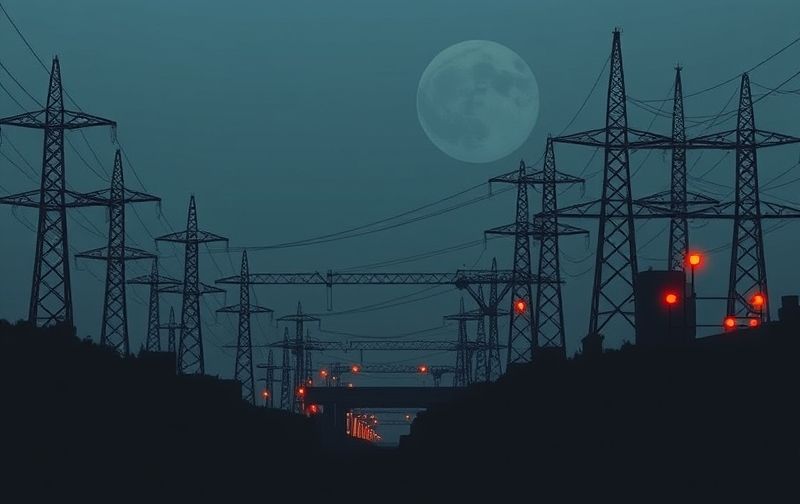
Infrastructural Brutalism Art and the Necropolitics of InfrastructureInfrastructural Brutalism is a term that describes a specific intersection between art, architecture, and socio-political power. It refers not only to the aesthetic qualities of large, raw concrete structures but also to how these forms of infrastructure are used to shape and control public life. The concept often overlaps with political theories like necropolitics, which explore how governments control life and death through systems and structures.
This topic explores Infrastructural Brutalism as a form of art and a symbol of power, control, and resistance. We’ll also examine how infrastructure becomes a medium through which necropolitics is practiced.
What is Brutalism in Art and Architecture?
Brutalism is an architectural style that emerged in the mid-20th century. It is characterized by bold, geometric shapes and the use of raw materials, especially concrete. The word comes from the French term béton brut, meaning "raw concrete."
Initially, Brutalist architecture was praised for its honesty, functionality, and accessibility. It became popular in government buildings, social housing projects, and universities. However, over time, it also came to represent coldness, rigidity, and control.
In the realm of art, Brutalism inspired visual artists to explore themes of structure, decay, and modernism’s failure to meet human needs.
Infrastructural Brutalism as Art
When we speak of Infrastructural Brutalism in art, we are talking about how artists engage with large-scale infrastructure bridges, dams, highways, tunnels not just as physical objects, but as subjects loaded with political, historical, and social meaning.
Artists who work in this space use photography, sculpture, installations, and video to reveal the hidden stories within these massive forms. The goal is often to uncover how infrastructure impacts marginalized communities or reinforces state control.
For example, an artist might photograph abandoned highways in underfunded neighborhoods or create installations that mimic the oppressive scale of public buildings. These works challenge viewers to think about who benefits from infrastructure and who is left behind.
Necropolitics and Infrastructure
Necropolitics is a concept developed by philosopher Achille Mbembe. It refers to the way political systems determine who is allowed to live and who can be left to die. It extends the idea of biopolitics, where governments manage life, into more extreme territory.
Infrastructure becomes a tool of necropolitics when it enables some populations to thrive while others are exposed to danger or neglect. Think of a city where some areas have clean water, working roads, and hospitals, while others suffer from pollution, crumbling bridges, or no public transportation.
Artists working with Infrastructural Brutalism often use this lens to critique urban planning and social inequality. They show how power structures are embedded in concrete, steel, and stone.
The Aesthetics of Infrastructural Power
There’s a unique visual language in Infrastructural Brutalism. It’s raw, imposing, and sometimes intimidating. These aesthetics serve a purpose they convey permanence, authority, and indifference. For example
-
Large concrete columns suggest immovability.
-
Empty overpasses feel isolating and impersonal.
-
Grid-like windows and repetitive facades reflect mass production and control.
Artists might emphasize these qualities to raise awareness of how people relate to infrastructure. Some viewers may feel inspired by the strength of these forms, while others feel overwhelmed or alienated.
Case Studies Artists and Brutalist Themes
Several contemporary artists have explored themes related to Infrastructural Brutalism and necropolitics
-
Tanya Aguiniga – Her installations highlight border infrastructure and its impact on identity and movement.
-
Trevor Paglen – His photographs of secret military bases and communication towers reveal the hidden layers of infrastructure used for surveillance.
-
Theaster Gates – His work revitalizes abandoned buildings in neglected communities, using Brutalist forms as a foundation for social engagement.
These artists show that infrastructure isn’t neutral. It tells stories of history, policy, and exclusion often in plain sight.
Public Space and Invisible Boundaries
Infrastructural Brutalism often plays out in public spaces train stations, government offices, housing estates. Yet these spaces are not equally accessible to all. Architecture can enforce invisible boundaries that separate classes, races, and communities.
For instance, underpasses may divide wealthy districts from impoverished ones. Bridges may be designed in ways that prevent pedestrian access from specific areas. These design decisions carry political weight.
Artists and activists who work in this field aim to make these boundaries visible. Through their art, they highlight how infrastructure can restrict freedom as much as it provides support.
Reclaiming Infrastructure Through Art
While Infrastructural Brutalism is often associated with control and power, it can also become a site for resistance. Art transforms cold, impersonal structures into spaces of memory, identity, and protest.
Murals painted on the sides of concrete walls, community gardens built under highways, or light installations on abandoned train tracks all these are ways people reclaim infrastructure.
By reinterpreting these structures, artists challenge their original function and create new meanings. What was once a symbol of authority can become a platform for community expression.
Why This Matters Today
In an age of rapid urban development, climate change, and political unrest, infrastructure is more than a technical issue. It reflects our values and priorities. Who gets safe bridges? Who gets access to clean water or transportation? These are moral questions, not just engineering ones.
Art that deals with Infrastructural Brutalism and necropolitics helps the public see these systems more clearly. It brings awareness to decisions that are often made behind closed doors.
Understanding these themes is especially relevant as cities grow and change. People need to think critically about the spaces they occupy and the power structures built into them.
Conclusion Concrete, Control, and Creativity
Infrastructural Brutalism art challenges us to see beyond the surface of our cities. It exposes the deeper narratives hidden in concrete and steel stories of inequality, resilience, power, and protest.
By examining infrastructure through both aesthetic and political lenses, artists create new conversations about public space, governance, and the human experience. In this way, the harsh geometry of Brutalist design becomes a powerful tool for reflection and resistance.