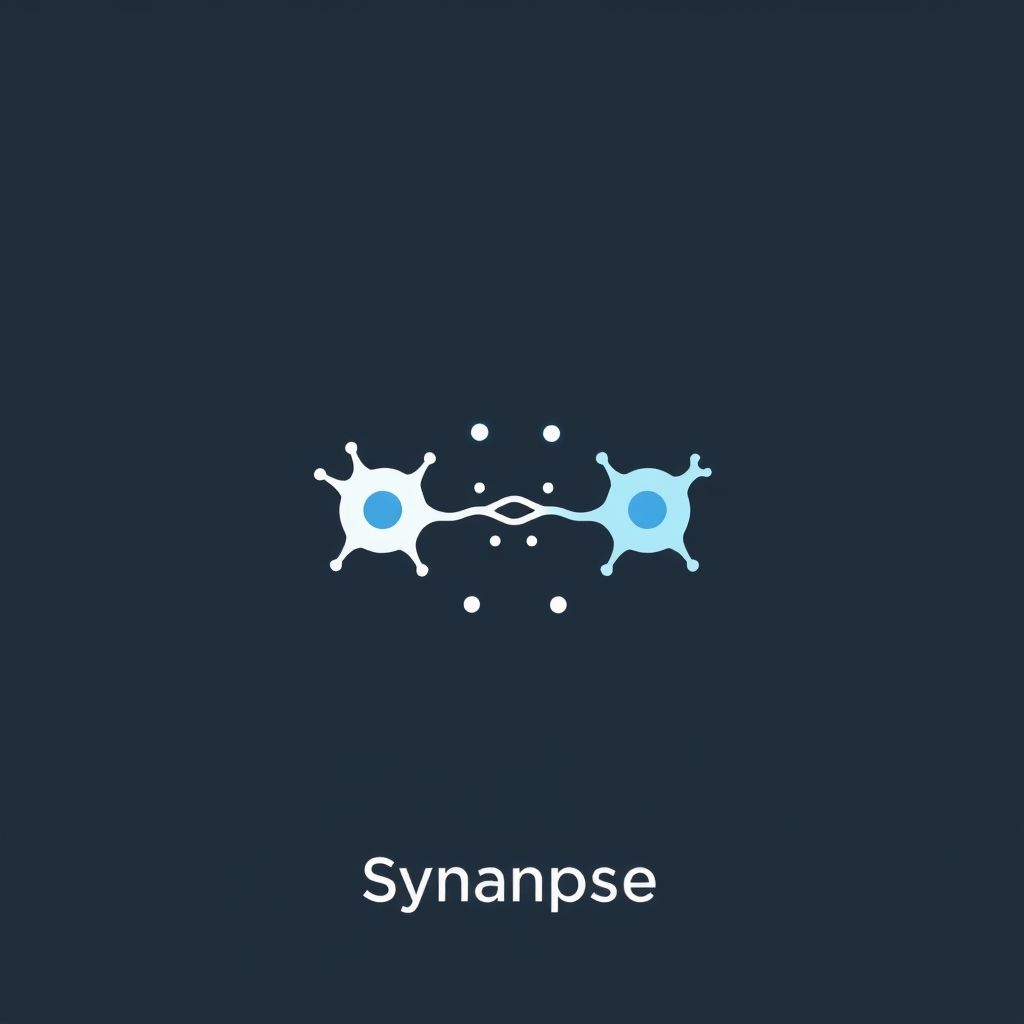
The Function of Synapse How Nerve Cells CommunicateThe human nervous system is an intricate network that allows us to think, move, and feel. At the heart of this system is the synapse, a tiny but powerful structure that enables communication between nerve cells, or neurons. Understanding the function of synapse is essential for grasping how our brains and bodies work together to respond to the world around us.
What Is a Synapse?
A synapse is a small gap or junction between two neurons, or between a neuron and another cell type such as a muscle cell. This gap is where the transmission of electrical or chemical signals takes place. The synapse ensures that messages can pass from one neuron to another quickly and accurately.
There are two main types of synapses
-
Chemical synapses, which use neurotransmitters to send signals.
-
Electrical synapses, which use direct electrical connections.
Chemical synapses are the most common and are critical for complex brain functions.
Structure of a Synapse
A typical chemical synapse consists of three main parts
-
Presynaptic terminal – the end of the neuron sending the signal.
-
Synaptic cleft – the small gap between neurons.
-
Postsynaptic terminal – the part of the neuron or cell receiving the signal.
When an electrical impulse arrives at the presynaptic terminal, it triggers the release of neurotransmitters into the synaptic cleft. These chemical messengers then bind to receptors on the postsynaptic terminal, continuing the transmission of the signal.
The Role of Synapse in Neural Communication
The main function of synapse is to facilitate communication between neurons. This process involves several key steps
-
An electrical signal, called an action potential, travels along the axon of the presynaptic neuron.
-
When the action potential reaches the synaptic terminal, it causes vesicles containing neurotransmitters to fuse with the membrane.
-
Neurotransmitters are released into the synaptic cleft and diffuse across it.
-
These chemicals bind to specific receptors on the postsynaptic neuron.
-
This binding triggers a response in the postsynaptic neuron, either exciting or inhibiting it.
Through this process, synapses control how information is passed throughout the nervous system.
Why Are Synapses Important?
Synapses are vital for all nervous system functions, including
-
Movement control Signals pass through synapses to coordinate muscle contractions.
-
Sensory perception Synapses transmit signals from sensory organs to the brain.
-
Memory and learning Changes in synaptic strength are the basis for learning and memory formation.
-
Emotional responses Synaptic activity affects mood and emotions.
Without synapses, neurons would be isolated and unable to work together, making life impossible.
Chemical vs. Electrical Synapses
Chemical synapses use neurotransmitters like dopamine, serotonin, and acetylcholine to transmit signals. This method allows for more complex processing because the signal can be amplified or inhibited.
Electrical synapses, on the other hand, allow ions to pass directly between cells through structures called gap junctions. This creates faster communication but is less flexible.
Both types of synapses play important roles depending on the function required.
Common Neurotransmitters and Their Functions
Different neurotransmitters released at synapses serve unique purposes
-
Glutamate The main excitatory neurotransmitter in the brain, essential for learning.
-
GABA The main inhibitory neurotransmitter, helping to calm neural activity.
-
Dopamine Linked to pleasure, motivation, and motor control.
-
Serotonin Influences mood, sleep, and appetite.
-
Acetylcholine Important in muscle activation and memory.
These chemicals are central to the function of synapses and overall brain health.
Synapse and Neural Plasticity
One of the most fascinating aspects of synapses is their ability to change strength, known as synaptic plasticity. This ability allows the brain to adapt, learn new skills, and store memories. When synapses strengthen, communication between neurons improves, making signals more efficient.
Conversely, weakened synapses can lead to loss of function, which is seen in conditions like Alzheimer’s disease.
Disorders Related to Synapse Dysfunction
When synapses do not work properly, it can lead to various neurological problems. Examples include
-
Epilepsy, caused by excessive synaptic excitation.
-
Depression, linked to imbalances in neurotransmitters like serotonin.
-
Parkinson’s disease, involving dopamine deficits at synapses.
-
Autism spectrum disorders, associated with altered synaptic communication.
Research on synapses helps develop treatments for these conditions.
How Scientists Study Synapses
Modern science uses many techniques to understand synapse function
-
Microscopy reveals synapse structure.
-
Electrophysiology measures electrical activity.
-
Biochemical methods identify neurotransmitters.
-
Imaging techniques show synapse activity in living brains.
These tools provide insights into the complex processes behind synaptic communication.
The synapse is a tiny but crucial structure that makes brain function and nervous system communication possible. From transmitting simple signals to supporting complex learning and memory, synapses are at the core of how we experience and interact with the world. Understanding the function of synapse is key to unlocking the mysteries of the brain and treating neurological disorders.
Keywords function of synapse, synapse definition, chemical synapse, electrical synapse, neurotransmitters, neural communication, synaptic plasticity, brain function, nervous system, synapse disorders