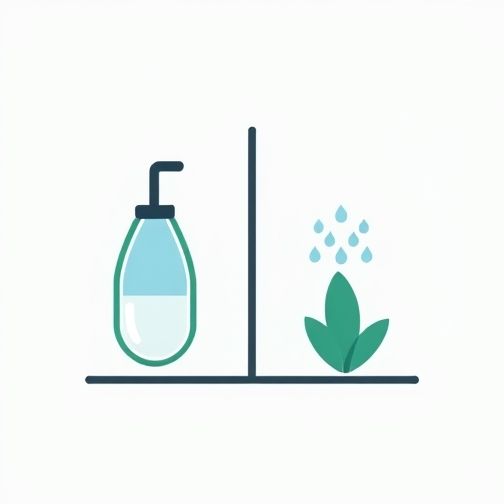
Understanding the Difference Between Instillation and Irrigation in Medical ProceduresIn clinical settings, healthcare professionals often use both instillation and irrigation techniques to deliver solutions into the body. Though they may seem similar at first glance, these procedures serve different purposes and follow distinct methods. Knowing the difference between instillation and irrigation is important for both medical practitioners and patients, especially in treatments involving wounds, body cavities, or medication administration.
What Is Instillation?
Instillation is the process of slowly introducing a liquid usually a medication or sterile solution into a body cavity or space, such as the eyes, ears, nose, bladder, or rectum. The main goal is therapeutic to deliver medicine in a targeted and controlled way.
Common Uses of Instillation
-
Eye drops for infections or dryness
-
Ear drops for wax removal or infection treatment
-
Nasal drops or sprays for sinus congestion
-
Bladder instillations for treating infections or inflammation
-
Rectal medications in liquid form for localized treatment
Instillation is usually done drop by drop or in small quantities to ensure absorption and avoid overflow or waste.
What Is Irrigation?
Irrigation involves flushing out a body part or cavity with a steady flow of fluid. This technique is primarily used for cleaning purposes rather than delivering medication. It helps remove debris, bacteria, or other foreign materials.
Common Uses of Irrigation
-
Wound cleaning to prevent infection
-
Eye irrigation to remove irritants like chemicals or dust
-
Ear irrigation to clear out wax buildup
-
Bladder irrigation to maintain catheter function
-
Surgical irrigation during procedures to maintain a clear view and reduce contamination
Irrigation uses a larger volume of fluid compared to instillation and is often done with a syringe, catheter, or irrigation device.
Key Differences Between Instillation and Irrigation
Let’s break down the differences in a clear and simple way
| Aspect | Instillation | Irrigation |
|---|---|---|
| Purpose | Medication delivery | Cleaning or flushing |
| Volume | Small, controlled amounts | Large, continuous or pulsed flow |
| Application areas | Eyes, ears, nose, bladder, rectum | Wounds, eyes, ears, surgical sites, bladder |
| Tools used | Dropper, syringe | Syringe, catheter, irrigation system |
| Frequency | Regular intervals or as prescribed | As needed, depending on contamination or buildup |
| Absorption | Meant for absorption | Not typically absorbed mostly for removal |
Why the Distinction Matters in Healthcare
Understanding whether a procedure requires instillation or irrigation is important because using the wrong method can reduce effectiveness or even cause harm. For instance, using an irrigation technique for a medication intended to be absorbed could wash it away before it works. On the other hand, instilling medication when a wound needs cleaning may lead to infection if debris is left behind.
For nurses and doctors, this distinction guides how they prepare materials, apply treatments, and educate patients.
How Patients Experience Each Procedure
From a patient’s perspective, both instillation and irrigation can feel very different.
-
Instillation is usually gentle and may not cause discomfort. It requires the patient to stay still and often involves lying down or tilting the head.
-
Irrigation may cause a temporary sensation of pressure or coolness as the fluid flows. It may require special positioning or assistance to ensure the process is effective.
Understanding the purpose of each can help reduce anxiety and improve cooperation during procedures.
Safety Considerations
While both procedures are generally safe, there are some precautions to keep in mind
For Instillation
-
Ensure the solution is at the correct temperature.
-
Use only sterile and prescribed liquids.
-
Avoid touching the dropper tip to prevent contamination.
For Irrigation
-
Use the correct pressure too much force can cause tissue damage.
-
Make sure the fluid exits properly to avoid fluid retention.
-
Clean and disinfect tools after use to prevent infections.
Healthcare providers should always explain the procedure beforehand and observe for any adverse reactions.
Examples in Clinical Practice
Here are a few real-world scenarios where the difference between instillation and irrigation is clearly observed
-
Bladder care
-
Instillation Delivering a small dose of medication to treat cystitis.
-
Irrigation Flushing the bladder through a catheter to remove clots or mucus.
-
-
Eye treatment
-
Instillation Applying antibiotic drops for conjunctivitis.
-
Irrigation Rinsing the eye to remove chemicals or foreign ptopics.
-
-
Ear procedures
-
Instillation Softening wax with an oil-based drop.
-
Irrigation Flushing out the softened wax using warm water.
-
When to Use Each Method
Deciding between instillation and irrigation depends on several factors
-
The goal of treatment Medication delivery or cleaning?
-
The patient’s condition Is there an infection, blockage, or sensitivity?
-
The site being treated Some areas are more suited for one method over the other.
Healthcare professionals assess the need based on medical history, the urgency of the situation, and the tools available.
Though instillation and irrigation both involve the use of liquids in medical treatment, they serve very different purposes. Instillation is used to deliver medication in small doses, while irrigation focuses on cleaning an area using a steady stream of fluid. Understanding the difference helps ensure proper care, better outcomes, and improved patient comfort. Whether at a clinic or in home care settings, recognizing when and how to use each method is a key part of effective health management.