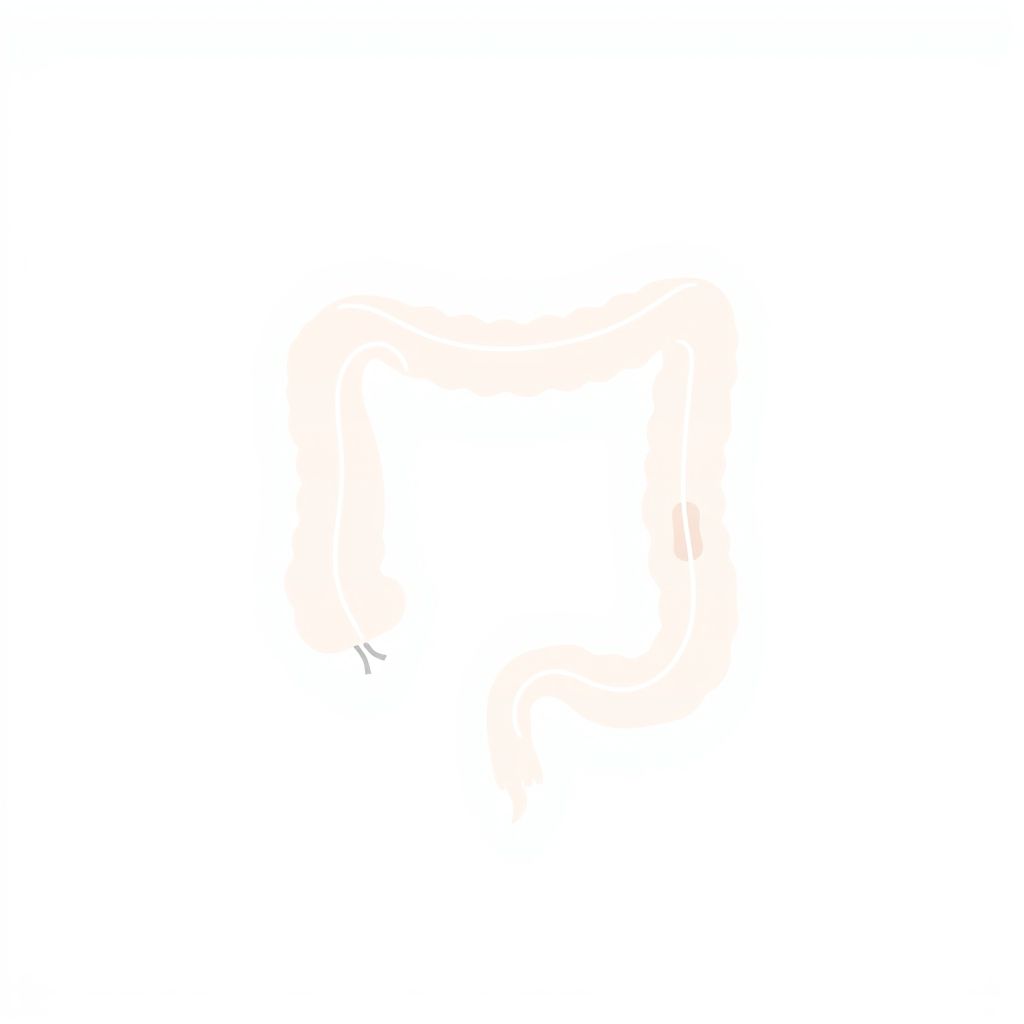
Understanding Where the Vermiform Appendix of the Colon Is AttachedThe vermiform appendix is a small, tube-like structure that has puzzled scientists and doctors for centuries. While it was once considered a useless remnant of evolution, modern research has revealed more about its possible role in immunity and gut health. One common question in anatomy is where exactly is the vermiform appendix of the colon attached?
This topic explores the anatomy, function, and medical significance of the vermiform appendix, using clear language to help readers understand its place in the digestive system.
What Is the Vermiform Appendix?
The term vermiform means "worm-shaped," which accurately describes the thin, elongated structure of the appendix. It is a blind-ended tube, meaning it has only one opening and is closed on the other end.
Typically, the appendix measures about 7 to 10 centimeters in length, though it can vary from person to person. Despite its small size, the appendix has gained attention due to conditions like appendicitis, which can become serious if left untreated.
Where Is the Vermiform Appendix Attached?
The vermiform appendix is attached to the cecum, which is the first part of the large intestine. The cecum is a pouch-like structure located in the lower right side of the abdomen, just below where the ileum (the last section of the small intestine) empties into the large intestine.
Key Location Details
-
Region Lower right quadrant of the abdomen.
-
Connection The appendix opens into the posteromedial wall of the cecum.
-
Just below The ileocecal valve, which controls the flow of material from the small intestine to the large intestine.
This positioning makes the appendix a part of the gastrointestinal tract, even though it plays a minor role in digestion.
The Anatomy of the Cecum and Appendix
The cecum serves as a receiving chamber for undigested food material coming from the small intestine. From this pouch, the colon continues upward as the ascending colon.
The appendix branches off from the lower portion of the cecum. Because of this attachment, the appendix can sometimes be involved in issues that affect the cecum or nearby parts of the large intestine.
Variability in Appendix Position
Interestingly, while the appendix is always attached to the cecum, its exact position in the abdomen can vary
-
Retrocecal (behind the cecum) most common position.
-
Pelvic (pointing downward into the pelvis).
-
Subcecal (just beneath the cecum).
-
Pre-ileal or post-ileal (in front of or behind the terminal ileum).
These variations can make diagnosing appendicitis more challenging, as the location of pain may differ from person to person.
Function of the Appendix Is It Really Useless?
For many years, the appendix was labeled a vestigial organ, meaning it was thought to have no function. However, more recent studies suggest the appendix may serve as
-
A reservoir for beneficial gut bacteria, especially after digestive illnesses.
-
A component of the immune system, particularly in young individuals, due to the presence of lymphoid tissue in its walls.
Despite these functions, humans can live a normal life without an appendix, which is why it’s often removed if inflamed or infected.
Common Health Issues Related to the Appendix
The most well-known condition involving the appendix is appendicitis, which occurs when the appendix becomes inflamed. If not treated quickly, it can lead to rupture and severe infection in the abdominal cavity.
Symptoms of Appendicitis
-
Pain starting near the belly button and moving to the lower right abdomen.
-
Nausea and vomiting.
-
Fever.
-
Loss of appetite.
-
Abdominal tenderness.
Treatment usually involves surgical removal of the appendix through a procedure called appendectomy.
Diagnostic Tools for Appendix-Related Conditions
Modern medicine uses several methods to identify problems involving the appendix
-
Ultrasound Often used in children and pregnant women.
-
CT scan Provides a detailed image of the abdomen and helps confirm appendicitis.
-
Blood tests Can show elevated white blood cell counts, indicating infection.
-
Physical examination Pressing on certain areas can reveal tenderness specific to appendix inflammation.
Because the appendix is so small and variable in location, accurate imaging is often necessary for a correct diagnosis.
Evolutionary Theories and the Appendix
Some evolutionary biologists believe that the appendix may have helped early humans digest plant-heavy diets. Over time, as diets changed, the need for a functioning appendix may have diminished.
Today, the appendix might not be essential for digestion, but its potential immune role still holds scientific interest.
Surgical Removal and Life Without the Appendix
When appendicitis occurs, the standard treatment is removal. This can be done through
-
Open surgery A single incision in the lower right abdomen.
-
Laparoscopic surgery Several small incisions with the use of a camera.
After surgery, most people recover within a few weeks and can return to normal activities. There are typically no long-term consequences of living without an appendix.
Summary of Key Points
-
The vermiform appendix is a small tube attached to the cecum, the first part of the large intestine.
-
It is located in the lower right abdomen, just below the junction of the small and large intestines.
-
Though once thought useless, the appendix may have roles in immunity and gut health.
-
Appendicitis is the most common medical condition associated with the appendix and requires surgical treatment.
-
The exact position of the appendix varies among individuals, which can affect diagnosis and symptom location.
Conclusion A Small Organ With Big Implications
While the vermiform appendix may be small and often overlooked, its location at the junction of the small and large intestine gives it a unique role in the digestive system. Attached to the cecum, it sits quietly unless inflamed but when it does become problematic, it requires prompt medical attention.
By understanding where the appendix is and how it functions, individuals can be more informed about potential abdominal issues and the importance of seeking care when symptoms arise. Whether functional or vestigial, the appendix remains a notable structure in human anatomy.