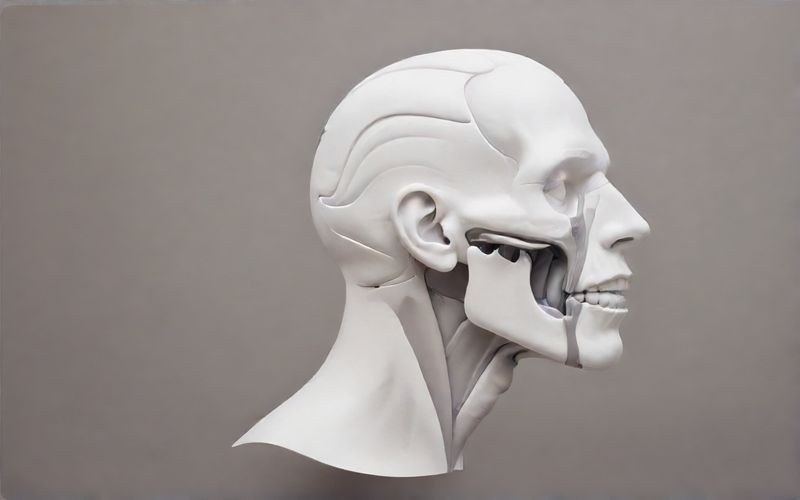
Origin of the Superior Pharyngeal Constrictor Anatomy and FunctionThe superior pharyngeal constrictor is an important muscle in the human body that plays a key role in the process of swallowing. It is part of a group of muscles that form the pharyngeal constrictor muscles, which work together to propel food and liquids down the throat. Understanding the origin and function of the superior pharyngeal constrictor is essential for those studying anatomy, medicine, and related fields. In this topic, we will explore the anatomy, origin, and functions of the superior pharyngeal constrictor, providing insights into its crucial role in swallowing and respiration.
What is the Superior Pharyngeal Constrictor?
The superior pharyngeal constrictor is one of three pharyngeal constrictor muscles, which include the middle and inferior pharyngeal constrictors. These muscles work in unison to contract and relax in a wave-like fashion, pushing food and liquid through the pharynx and into the esophagus. The superior pharyngeal constrictor is the first of these muscles, located at the top of the pharynx, and plays an essential role in initiating the swallowing process.
This muscle is involved in both voluntary and involuntary phases of swallowing, helping to close the nasopharynx and prevent food or liquid from entering the nasal cavity. Additionally, it assists with the propulsion of food downward into the esophagus, where it can be further processed.
Anatomy of the Superior Pharyngeal Constrictor
To understand the function of the superior pharyngeal constrictor, it is important to examine its anatomy, including its origin, insertion, innervation, and function.
Origin of the Superior Pharyngeal Constrictor
The superior pharyngeal constrictor originates from several key structures in the neck and skull. Specifically, it arises from
-
The pterygoid hamulus, a bony projection of the sphenoid bone in the skull.
-
The mandible (jawbone).
-
The side of the tongue (the posterior part of the tongue).
-
The side of the soft palate (the velum).
This broad origin allows the superior pharyngeal constrictor to form a complete circular muscle that wraps around the upper portion of the pharynx. The muscle fibers are arranged in a manner that allows them to contract in a coordinated fashion, facilitating the efficient movement of food during swallowing.
Insertion of the Superior Pharyngeal Constrictor
After originating from these various structures, the fibers of the superior pharyngeal constrictor insert into the median raphe, a fibrous seam that runs along the midline of the posterior pharyngeal wall. This insertion allows the muscle to exert pressure on the pharyngeal wall when it contracts, pushing the food downward into the esophagus.
Innervation of the Superior Pharyngeal Constrictor
The superior pharyngeal constrictor is innervated by the pharyngeal plexus, which is a network of nerves located in the neck. Specifically, the motor innervation comes from the vagus nerve (cranial nerve X) through the pharyngeal branch. The sensory innervation of the pharynx is provided by the glossopharyngeal nerve (cranial nerve IX). This coordination of nerves ensures proper muscle function during the swallowing process.
Function of the Superior Pharyngeal Constrictor
The primary function of the superior pharyngeal constrictor is to aid in the swallowing process, also known as deglutition. The muscle contracts during the initiation of swallowing, helping to close the nasopharynx and prevent food or liquid from entering the nasal cavity. By creating pressure in the upper part of the pharynx, it also helps propel the bolus of food downward toward the esophagus.
The superior pharyngeal constrictor plays an important role in the following aspects of swallowing
Closing the Nasopharynx
During swallowing, the superior pharyngeal constrictor contracts to close the nasopharynx, the uppermost portion of the pharynx that connects to the nasal cavity. This action prevents food or liquid from entering the nose, ensuring that the swallowed material is directed into the oral cavity and further down the esophagus.
Initiating the Swallowing Reflex
The superior pharyngeal constrictor is responsible for the initial phase of swallowing. As it contracts, it helps to move the bolus of food or liquid to the back of the throat, triggering the swallowing reflex. This reflex then activates other muscles in the pharynx, including the middle and inferior pharyngeal constrictors, to continue the process of pushing the bolus down the throat.
Facilitating the Propulsion of Food
Once the swallowing reflex is triggered, the superior pharyngeal constrictor, along with the other pharyngeal constrictors, contracts in a sequential manner. This wave-like contraction helps propel the bolus downward toward the esophagus, where it is further processed for digestion. This coordinated action is essential for the smooth passage of food through the pharynx and into the stomach.
Clinical Significance of the Superior Pharyngeal Constrictor
Disorders or damage to the superior pharyngeal constrictor can result in swallowing difficulties and other issues related to the throat. Some of the most common conditions affecting the superior pharyngeal constrictor include
Dysphagia (Difficulty Swallowing)
When the superior pharyngeal constrictor does not function properly, individuals may experience dysphagia, or difficulty swallowing. This can occur if the muscle is weakened or damaged, leading to an inability to close the nasopharynx properly or to initiate the swallowing reflex effectively. As a result, food may not pass easily through the throat, leading to discomfort, coughing, or choking during meals.
Aspiration Risk
If the superior pharyngeal constrictor fails to close the nasopharynx properly, there is an increased risk of aspiration, where food or liquid enters the airway instead of the esophagus. This can lead to coughing, choking, or even aspiration pneumonia, a potentially serious condition in which food or liquid enters the lungs and causes infection.
Pharyngeal Weakness in Neurological Conditions
Neurological conditions such as stroke or Parkinson’s disease can affect the function of the superior pharyngeal constrictor. In these cases, the motor control of the pharyngeal muscles may be impaired, leading to difficulty with swallowing and an increased risk of aspiration. Treatment for these conditions may include swallowing therapy or other interventions to help restore function to the affected muscles.
The superior pharyngeal constrictor is an essential muscle that plays a crucial role in the swallowing process. By understanding its origin, anatomy, and function, we gain a better appreciation for its role in facilitating the smooth passage of food and liquid through the throat. This muscle’s actions are vital for proper speech, breathing, and digestion, and any impairment to its function can lead to significant health issues such as dysphagia and aspiration. Maintaining the health of the superior pharyngeal constrictor is therefore critical for overall well-being and proper respiratory and digestive function.