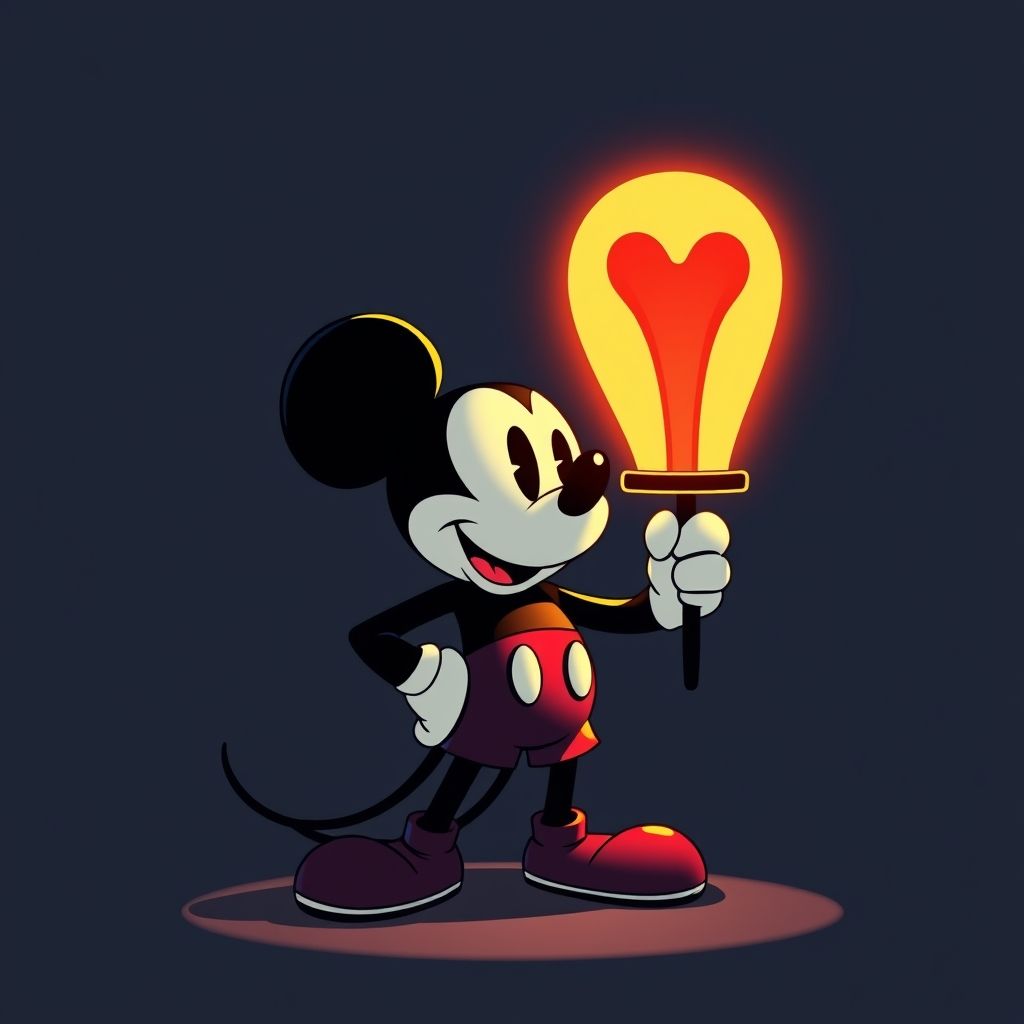
Exploring Epic Mickey Concept Art A Glimpse Into Disney’s Forgotten World‘Epic Mickey’ is a beloved action-adventure video game developed by Junction Point Studios and published by Disney Interactive Studios. Released in 2010 for the Nintendo Wii, the game offers a darker, more imaginative twist on Disney’s classic characters and worlds. One of the most captivating aspects of the game is its concept art, which played a crucial role in shaping the game’s unique style and storytelling.
The concept art for Epic Mickey isn’t just preliminary artwork it’s a visual roadmap that set the tone for the entire project. This topic takes a closer look at the fascinating world of Epic Mickey concept art, its themes, designs, and artistic significance.
What Is Concept Art?
Before diving into the details of Epic Mickey’s artwork, it’s important to understand what concept art is. In the context of video games, concept art is the initial visual design used to develop characters, environments, objects, and scenes. It helps artists, designers, and developers align on a consistent look and feel for the final product.
In Epic Mickey, concept art was not only a creative tool but also a bridge between traditional Disney animation and modern gaming aesthetics.
The Creative Vision Behind Epic Mickey
The game was directed by Warren Spector, who envisioned a world where forgotten Disney characters lived in a mysterious and decaying place called the Wasteland. This idea gave artists the opportunity to imagine a version of Disney that had aged, been discarded, and transformed into something both haunting and beautiful.
The concept art reflected this duality nostalgic yet eerie, playful yet somber. It captured an alternate universe of Disney where Oswald the Lucky Rabbit, an early Disney character, finally takes the spotlight.
Key Themes in Epic Mickey Concept Art
1. Forgotten Characters and Worlds
The Wasteland is filled with characters who were once popular but are now overlooked. The concept art shows them in distressed, sometimes unsettling conditions, giving a sense of emotional depth to the game. Seeing iconic figures in unfamiliar, worn-down settings makes the artwork compelling and emotionally rich.
2. Steampunk and Retro-Futuristic Style
Much of the concept art embraces a steampunk-inspired aesthetic. Gears, pipes, rusted machinery, and old-school animation designs blend to create an unusual and visually engaging world. This gives the game a unique flavor, standing out from traditional Disney visuals.
3. Dark and Light Contrasts
A central theme in the game is Mickey’s use of paint and thinner symbols of creation and destruction. The concept art reflects this contrast by using color schemes and textures to show what parts of the world can be restored or erased. Artists used shadow and light to reinforce this balance between hope and decay.
Iconic Character Designs
Mickey Mouse
In the concept art, Mickey is shown with more expressive features, influenced by his 1920s and 1930s cartoons. He often appears concerned or curious, emphasizing his role as both hero and outsider in the Wasteland.
Oswald the Lucky Rabbit
Oswald is one of the emotional cores of the story. The art shows him as a figure of nostalgia and loss. Designers worked to portray his longing to be remembered while also giving him a bold presence that makes him more than just a sidekick.
The Mad Doctor and Gremlins
The game features several unique characters not seen in other Disney properties. The Mad Doctor, for example, is shown in exaggerated poses with wild expressions. The Gremlins, drawn with quirky shapes and exaggerated limbs, add to the game’s surreal atmosphere.
Environmental Concept Art
The Wasteland
The Wasteland is where most of the game takes place. Concept artists created detailed landscapes that combine broken-down theme parks, forgotten movie sets, and abandoned towns. These images blend elements of Disney history with imaginative decay, resulting in hauntingly beautiful backgrounds.
Mean Street and Mickeyjunk Mountain
Mean Street resembles a distorted version of Disney’s Main Street, filled with crumbling buildings and flickering lights. Meanwhile, Mickeyjunk Mountain is made entirely of discarded Mickey merchandise. The concept art for these locations is dense with detail, offering commentary on consumer culture and nostalgia.
Influence from Classic Disney Art
Epic Mickey’s concept art takes heavy inspiration from the early works of Disney animators like Ub Iwerks and Floyd Gottfredson. The use of hand-drawn sketches and limited color palettes reflects classic animation techniques, connecting the game to Disney’s artistic legacy.
The art also draws from forgotten shorts, vintage posters, and early Disneyland designs, giving it a strong sense of historical depth. For fans of Disney history, the art is a treasure trove of visual references.
Artistic Techniques Used
-
Sketches and Ink Drawings Many of the early pieces are black-and-white sketches, helping define character forms and movement.
-
Digital Painting Artists used digital tools to create richly colored environments filled with texture and shadow.
-
Color Studies Before settling on a final look, artists produced color variations to test the mood of different scenes.
-
Mood Boards Collections of images and textures helped artists unify the visual style.
These techniques helped translate a bold creative vision into a playable game filled with personality and atmosphere.
Reception and Legacy of Epic Mickey’s Art
Critics and fans praised Epic Mickey for its bold art direction. Even those who found the gameplay challenging still appreciated the creative vision behind it. The concept art has been displayed in exhibitions and featured in art books, further proving its cultural and artistic significance.
It inspired a new way of looking at Disney one that acknowledges its forgotten stories and characters while pushing the boundaries of what interactive art can be.
Epic Mickey concept art is more than just a collection of drawings it’s a visual narrative that shaped an unforgettable gaming experience. It brings together nostalgia, creativity, and emotional storytelling through visuals that are rich with meaning. Whether you’re a gamer, artist, or Disney enthusiast, exploring this concept art offers a fascinating look into a world where forgotten characters come back to life with style and soul.