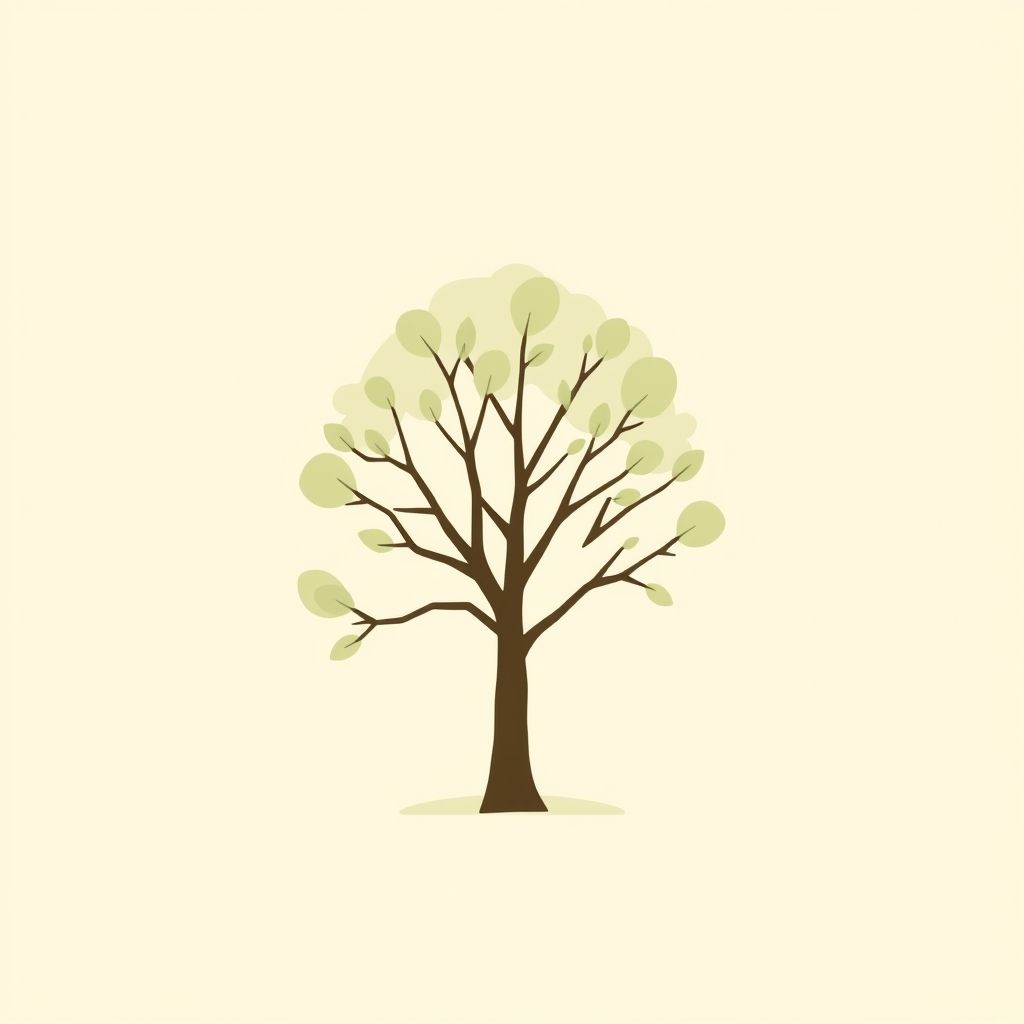
The thornless honeylocust (Gleditsia triacanthos var. inermis) has become a popular choice for urban landscapes and home gardens. Known for its light shade and fast growth, this tree offers many benefits, but it also has its drawbacks. If you’re considering planting a thornless honeylocust, it’s important to weigh the pros and cons carefully. This topic will guide you through everything you need to know.
What is a Thornless Honeylocust?
The thornless honeylocust is a variety of the native honeylocust tree that naturally lacks the large, intimidating thorns found on the wild species. It’s valued for its adaptability, quick growth, and attractive, airy foliage. Landscapers and homeowners often use it to create a pleasant, filtered shade without the messy complications of other trees.
Pros of Planting a Thornless Honeylocust
1. Fast Growth Rate
One major advantage is its rapid growth. The thornless honeylocust can grow up to 2 feet per year under the right conditions. This makes it an excellent choice for people who want immediate results in their landscaping.
2. Attractive Appearance
Its delicate, fern-like leaves provide a light and filtered shade that allows grass and other plants to thrive underneath. In the fall, the leaves turn a beautiful golden yellow, adding seasonal color to your yard.
3. Drought Tolerance
Thornless honeylocust trees are highly drought-resistant once established. This makes them ideal for areas with water restrictions or dry climates. They can survive and still look healthy even during periods of limited rainfall.
4. Adaptability to Different Soils
This tree is highly adaptable to a range of soil types, including clay, sand, and loam. Whether your soil is alkaline or slightly acidic, the thornless honeylocust can usually manage just fine.
5. Minimal Shade Competition
Unlike dense-canopied trees, the honeylocust’s light canopy allows sun to reach the ground. This makes it easier to grow a lush lawn, flowers, or groundcovers beneath it.
6. Low Maintenance
Once established, thornless honeylocust trees require relatively little care. They are less prone to many pests and diseases compared to other shade trees, reducing the need for chemical treatments.
Cons of Planting a Thornless Honeylocust
1. Potential for Weak Wood
One downside is that the wood can be relatively brittle. During strong storms, branches may break off more easily compared to hardwood trees like oak or maple.
2. Seed Pod Production
Some varieties still produce seed pods that can be messy. Although many modern cultivars are bred to be podless, it’s important to choose the right variety if you want to avoid the cleanup.
3. Invasive Root System
The root system of a thornless honeylocust can spread aggressively. Roots may rise to the surface over time, potentially causing problems with sidewalks, driveways, and lawns.
4. Susceptibility to Certain Pests
While generally hardy, thornless honeylocusts can attract pests like mimosa webworms and honeylocust plant bugs. These pests can cause aesthetic damage, though rarely fatal.
5. Shorter Lifespan
Compared to sturdier trees like oaks, the thornless honeylocust has a relatively shorter lifespan, often living 30 to 70 years. For homeowners looking for a tree that will last for generations, this may be a disadvantage.
Best Cultivars to Consider
If you want to avoid some of the cons, choosing the right cultivar is key. Popular choices include
-
‘Shademaster’ – Known for being podless and having a strong central leader.
-
‘Skyline’ – Offers a more upright form and fewer maintenance concerns.
-
‘Sunburst’ – Features golden-yellow new growth and attractive fall color.
Selecting a reputable cultivar can help minimize seed pod issues and improve structural strength.
Tips for Planting and Caring for Thornless Honeylocust
-
Site Selection Plant in a location with full sun for best growth.
-
Watering Water deeply during the first year to help establish strong roots.
-
Pruning Prune in late winter to remove weak or crossing branches and to maintain a healthy structure.
-
Monitoring Watch for signs of pests and treat promptly if needed.
By following these simple care tips, you can enjoy the beauty of your honeylocust tree for many years.
Conclusion Is the Thornless Honeylocust Right for You?
The thornless honeylocust is an excellent option if you’re looking for a fast-growing, low-maintenance shade tree that adds charm to your landscape. However, it’s not a perfect tree. Weak wood, aggressive roots, and potential pest issues are factors you’ll need to consider before planting.
Overall, with careful selection of cultivars and proper care, the thornless honeylocust can be a wonderful addition to many types of properties. Whether you are landscaping a city park, a suburban yard, or a commercial space, this versatile tree is worth considering.
Are you ready to add a thornless honeylocust to your garden? Make sure to plan wisely and enjoy the unique beauty it offers!