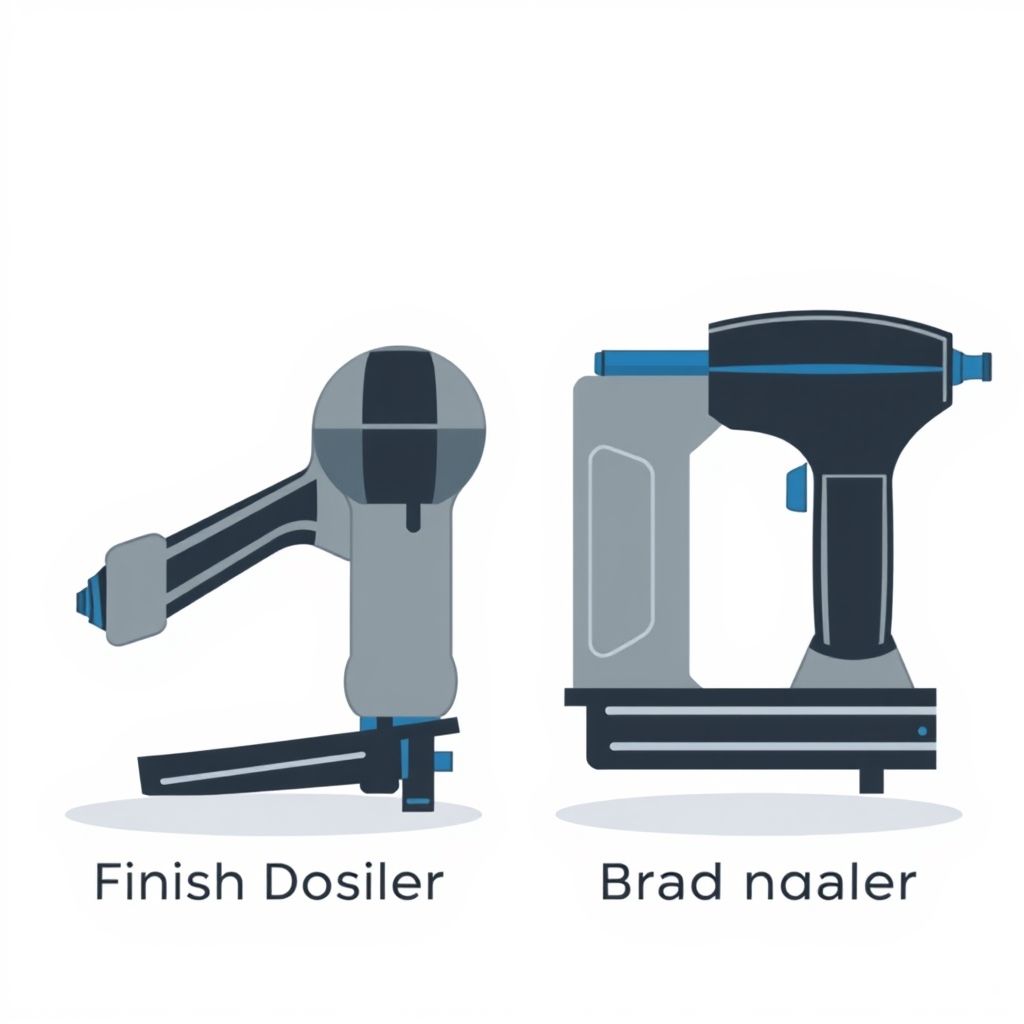
Finish Nailer vs Brad Nailer Choosing the Right Tool for Your ProjectsWhen it comes to woodworking and home improvement projects, having the right tools can make all the difference. Two commonly used nail guns in these projects are the finish nailer and the brad nailer. While both tools serve the purpose of driving nails into wood, they each have unique characteristics and applications. Understanding the differences between a finish nailer and a brad nailer will help you choose the right tool for your specific needs.
What is a Finish Nailer?
A finish nailer is a type of nail gun that is designed to drive thicker nails, typically ranging from 15 to 16 gauge. These nails are slightly larger and more robust compared to the ones used by a brad nailer, making them ideal for heavier construction work. Finish nailers are generally used for tasks where strength is a priority, such as installing baseboards, crown molding, and door frames. They provide a firm hold for trim and molding without damaging the surrounding wood.
Key Features of a Finish Nailer
-
Larger Nails Finish nailers use 15- to 16-gauge nails, providing a stronger and more secure hold.
-
Powerful Performance These tools can handle tougher materials and provide a solid connection for molding, furniture trim, and cabinetry.
-
Suitable for Larger Projects Due to their sturdier nails, finish nailers are ideal for projects where durability and strength are necessary, like installing heavy trim and hardwood.
What is a Brad Nailer?
A brad nailer is a lighter, more precise tool that uses 18-gauge nails, which are thinner than the nails used by finish nailers. Brad nailers are typically used for delicate tasks that require less force and a smaller nail head. These tools are ideal for projects involving thin trim work, molding, or assembling lightweight wood pieces, such as picture frames or small cabinetry projects.
Key Features of a Brad Nailer
-
Smaller Nails Brad nailers use 18-gauge nails, which are thinner and cause less visible damage to the workpiece.
-
Less Damage The small size of the nails means less splitting and minimal visibility of the nail hole, making it a great tool for fine woodworking and detailed finish work.
-
Precision Brad nailers are highly precise, ideal for attaching light trims and delicate wooden pieces without the need for putty or filler.
Comparing Finish Nailer and Brad Nailer
While both tools have their specific uses, there are several factors to consider when choosing between a finish nailer and a brad nailer.
1. Size of Nails
The primary difference between these two tools is the size of the nails they use. Finish nailers use larger nails (15-16 gauge), which makes them stronger and more suitable for heavy-duty tasks. Brad nailers, on the other hand, use smaller nails (18 gauge), making them ideal for finer, more delicate work.
2. Strength and Holding Power
Finish nailers are designed for projects that require a stronger hold, such as securing baseboards, door casings, and crown molding. The thicker nails provide extra grip and support, especially for heavier materials. Brad nailers, with their smaller nails, are better for light-duty tasks, where holding power is less of a concern.
3. Precision and Appearance
Brad nailers excel in precision and leaving minimal visible marks, which is particularly important when working on fine or decorative trim. Their smaller nails ensure that the nail holes are less noticeable and easier to fill. Finish nailers, while also capable of precise work, can leave more noticeable nail holes due to the larger size of the nails.
4. Applications
-
Finish Nailer Ideal for securing thicker trim, such as baseboards, crown molding, window casings, and other heavier wood pieces. It’s also great for attaching door frames and assembling cabinetry where a secure, strong hold is needed.
-
Brad Nailer Best for lighter trim work, such as small moldings, paneling, or assembling smaller, delicate wood projects like picture frames or small furniture pieces. It’s also suitable for tasks where you don’t want to leave noticeable holes.
5. Ease of Use
Both tools are generally easy to use, but brad nailers tend to be lighter and more manageable, making them easier for beginners or those handling smaller projects. Finish nailers, while still user-friendly, may require more strength to handle due to their larger nails and more powerful motors.
Pros and Cons of Finish Nailers
Pros
-
Stronger nails provide a better hold for heavy-duty projects.
-
Great for large-scale trim work and carpentry tasks.
-
Can be used for attaching thick molding and other heavy materials.
Cons
-
Larger nails may require more finishing work, like filling holes.
-
Heavier than brad nailers, making them less suitable for light or delicate tasks.
-
Can leave more visible holes that might require additional sanding or puttying.
Pros and Cons of Brad Nailers
Pros
-
Smaller nails minimize damage and leave less noticeable holes.
-
Lightweight and easy to handle, ideal for small projects or precision work.
-
Excellent for fine trim work and delicate wooden pieces.
Cons
-
Less holding power than finish nailers, making them unsuitable for heavy-duty projects.
-
Not ideal for thicker materials, as the small nails do not provide as strong a grip.
-
May require additional support for certain materials or joints.
When to Use a Finish Nailer vs. Brad Nailer
Use a Finish Nailer When
-
You are working with heavier materials, such as thick baseboards, crown molding, or hardwood.
-
A stronger hold is needed, particularly for larger or more durable trim.
-
You are looking to complete larger woodworking projects, such as furniture or cabinetry installations.
Use a Brad Nailer When
-
You are working on small or delicate trim work.
-
You need a cleaner finish, with smaller nail holes that are less visible.
-
Your project involves lighter materials that don’t require a strong grip, like thin moldings or picture frames.
Both finish nailers and brad nailers serve unique purposes in woodworking and home improvement projects. The finish nailer is your go-to tool for heavy-duty tasks requiring strength and durability, while the brad nailer is ideal for finer, more precise work that involves delicate trims and lightweight materials. Understanding the differences between the two will help you choose the right tool for your next project, ensuring that you achieve the best results without unnecessary complications. Whether you’re a seasoned DIYer or a beginner, selecting the appropriate nailer can make your work more efficient and produce professional-quality results.