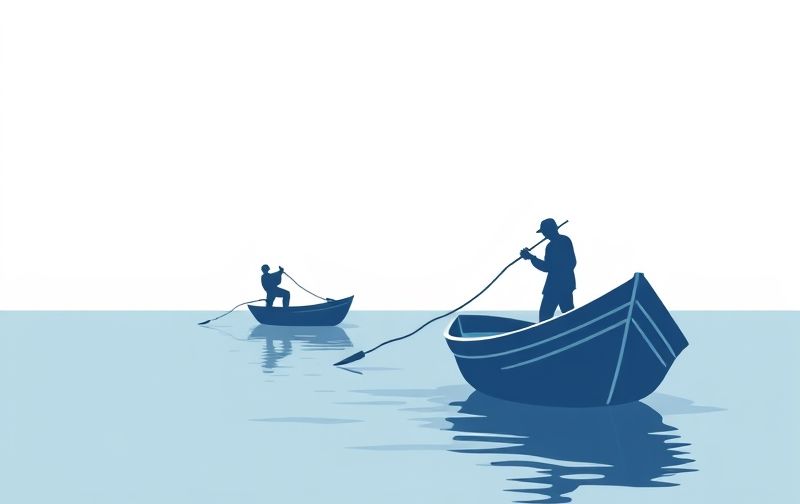
Problems Faced by Fishermen in India Challenges and SolutionsFishermen in India play a vital role in the country’s economy, providing both food and employment to millions. The country has a vast coastline of over 7,500 kilometers, and the fishing industry is a significant contributor to India’s food production and export revenue. However, despite their importance, fishermen face a wide range of challenges that threaten their livelihoods and well-being. This topic explores the various problems faced by fishermen in India, the impact on their lives, and potential solutions.
Key Problems Faced by Fishermen in India
Fishermen in India deal with several issues that complicate their daily work, including economic, environmental, and social challenges. Below are the key problems faced by them
1. Overfishing and Declining Fish Stocks
One of the most pressing problems for fishermen in India is the depletion of fish stocks due to overfishing. With growing demand for seafood, many fishermen engage in unsustainable fishing practices, using techniques that damage marine ecosystems. Overfishing leads to a decrease in fish populations, which in turn affects the income and food security of the fishing community. As fish stocks decline, fishermen must travel further offshore and invest in more costly equipment to catch fish, further exacerbating financial pressures.
2. Climate Change and Environmental Degradation
Climate change has severely impacted the fishing industry in India. Rising sea temperatures, erratic rainfall, and increasing frequency of storms have disrupted the marine ecosystem. Fish species that were once abundant are now either migrating or becoming scarce, forcing fishermen to adapt to changing conditions. Furthermore, coastal pollution and the destruction of mangrove forests, which serve as nurseries for many fish species, have also led to reduced fish catches. These environmental changes make it difficult for fishermen to predict their harvest and plan their livelihoods accordingly.
3. Lack of Modern Equipment and Technology
Many fishermen in India rely on traditional, outdated equipment and techniques, which can be inefficient and dangerous. Lack of access to modern fishing vessels, high-quality nets, and advanced technology means that they are often unable to compete with larger commercial operations. The use of primitive tools not only limits their fishing capacity but also exposes them to safety risks, especially in rough sea conditions. Furthermore, without proper technology, fishermen are unable to track fish movements or predict the best times for fishing, which decreases their chances of success.
4. Poor Infrastructure and Limited Access to Markets
In many coastal regions of India, fishermen face inadequate infrastructure, including poorly maintained harbors, insufficient cold storage facilities, and limited transportation options. This makes it difficult for them to store and transport their catch, leading to spoilage and financial losses. Additionally, many small-scale fishermen lack access to proper marketplaces where they can sell their catch at fair prices. This forces them to rely on middlemen, who often exploit their situation by offering low prices. The absence of cold storage and transportation options also means that fish is often sold at lower rates, particularly in regions far from urban centers.
5. Financial Struggles and Lack of Credit Access
Fishermen often face financial hardships due to the unpredictable nature of their work. Income from fishing is highly dependent on weather conditions and the availability of fish, making it challenging to maintain a steady income. Many fishermen live in poverty and struggle to cover basic expenses. Additionally, access to credit and financial support is limited for most small-scale fishermen. Without access to loans or subsidies, it is difficult for them to invest in better equipment or diversify their income sources. As a result, they are often trapped in a cycle of poverty and unable to improve their livelihoods.
Social Issues Faced by Fishermen
Fishermen in India also encounter several social challenges that affect their communities.
1. Exploitation and Low Wages
Fishermen are often subjected to exploitation by middlemen, who control the pricing and distribution of fish. These middlemen offer very low prices for the catch, taking advantage of the fishermen’s lack of bargaining power. As a result, fishermen receive minimal compensation for their hard work. The exploitation of labor is a widespread issue in the fishing industry, and it keeps many fishermen trapped in poverty, unable to improve their living standards.
2. Limited Education and Skill Development
Education and skill development are often neglected in fishing communities. Many fishermen, especially in rural areas, have limited access to education and vocational training. This lack of education prevents them from seeking alternative livelihoods or improving their skills. Without knowledge of modern fishing practices or the ability to explore other income-generating activities, fishermen remain reliant on traditional methods, which may no longer be viable.
3. Gender Inequality
In many fishing communities, women play a crucial role in processing and selling fish, but they face significant social and economic barriers. Women are often denied access to the same opportunities as men and may not have equal control over fishing assets or income. Gender inequality in the fishing industry is a persistent issue, with women facing lower wages and limited access to resources. Empowering women in fishing communities can improve household income and overall community development.
Government and Policy Solutions
Several steps can be taken to address the problems faced by fishermen in India, with government intervention being key to their improvement.
1. Sustainable Fishing Practices and Conservation
The government can promote sustainable fishing practices by introducing regulations that limit overfishing, prohibit destructive fishing techniques, and encourage the use of eco-friendly gear. Implementing conservation measures such as the establishment of marine protected areas can help replenish fish stocks and safeguard marine biodiversity. Educating fishermen on the importance of sustainable practices will also play a significant role in ensuring the long-term viability of the fishing industry.
2. Infrastructure Development
To improve the working conditions of fishermen, the government should invest in better infrastructure, including the construction of modern fishing harbors, cold storage facilities, and improved transportation networks. This will not only reduce post-harvest losses but also make it easier for fishermen to access broader markets, thereby increasing their profits. Improving infrastructure in fishing communities can significantly contribute to their economic growth.
3. Access to Financial Support
Access to finance is crucial for the development of the fishing industry. The government can support fishermen by providing easy access to credit, loans, and insurance schemes. Offering financial assistance for purchasing modern equipment or building safe and efficient boats can help fishermen improve their productivity. Additionally, providing insurance to protect fishermen from natural disasters or bad weather conditions can provide them with a financial safety net.
4. Skill Development and Education
Improving access to education and skill development programs for fishermen is essential. Training programs in modern fishing techniques, business management, and financial literacy can help fishermen adapt to changing market conditions. Establishing vocational training centers that cater specifically to fishing communities can empower individuals to diversify their livelihoods and increase income.
Conclusion The Way Forward for Indian Fishermen
The challenges faced by fishermen in India are multifaceted and require comprehensive solutions. While the problems may seem overwhelming, there is hope through collaborative efforts from the government, NGOs, and the fishing communities themselves. By focusing on sustainability, modernizing infrastructure, ensuring better financial support, and promoting education and skill development, India can help its fishermen secure a better future. With these changes, the fishing industry can thrive, benefiting both the fishermen and the larger Indian economy.