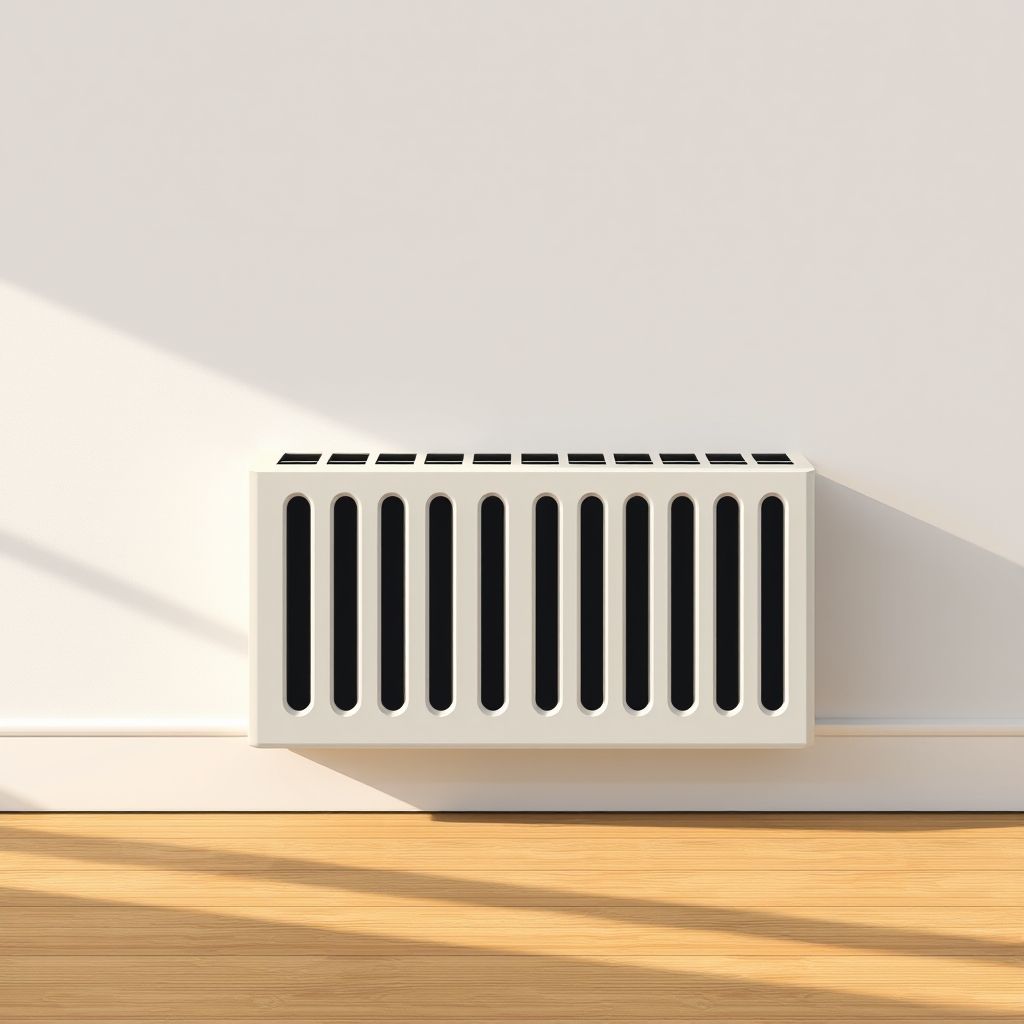
Electric Baseboard Heater Not Working Troubleshooting and SolutionsElectric baseboard heaters are a popular and efficient way to heat individual rooms in your home. They provide consistent warmth and are relatively easy to operate. However, like any electrical appliance, they can sometimes stop working. If your electric baseboard heater isn’t functioning properly, don’t panic. In this topic, we’ll walk you through some common causes of malfunction and offer practical solutions to get your heater working again.
Understanding How Electric Baseboard Heaters Work
Before diving into troubleshooting, it’s important to understand how electric baseboard heaters operate. These heaters rely on electric resistance to generate heat. When the electricity flows through the heating elements, it heats up the air around the unit, which rises and circulates to warm the room. The thermostat regulates the temperature by controlling the flow of electricity to the heating elements.
Understanding this basic functionality will help you pinpoint where the problem might be occurring when your heater stops working.
Common Reasons Why Your Electric Baseboard Heater Isn’t Working
1. Tripped Circuit Breaker
One of the most common reasons an electric baseboard heater might stop working is a tripped circuit breaker. Baseboard heaters often use a dedicated circuit, and if the heater experiences an electrical surge or overload, the breaker will trip to prevent damage.
Solution
Check your breaker panel for any tripped circuits. If you find one, flip the switch back to the on position. If the breaker trips again immediately or frequently, it could be a sign of a deeper electrical issue, and you may need to contact a licensed electrician.
2. Faulty Thermostat
If the thermostat is malfunctioning, it won’t be able to regulate the temperature properly, causing the baseboard heater to stop heating. The thermostat controls the flow of electricity to the heater, and if it’s not working, the heater won’t turn on.
Solution
Test the thermostat by setting it to a higher temperature and checking if the heater responds. If the thermostat is unresponsive, you may need to replace it. In some cases, you may be able to fix a minor issue like a dirty contact, but if the thermostat is old or defective, replacement is the best option.
3. Dirty Heating Elements
Over time, dirt and dust can accumulate on the heating elements, causing them to work inefficiently. When heating elements are dirty, they may not be able to heat properly, or they might overheat, causing the heater to shut down.
Solution
Turn off the heater and give it time to cool down. Once the unit is cool, use a vacuum cleaner with a hose attachment to remove dust and debris from the heating elements. You can also gently wipe down the elements with a damp cloth. Regular cleaning of the heating elements can help prevent this issue from recurring.
4. Wiring Issues
Damaged or frayed wires can disrupt the electrical flow to your baseboard heater, causing it to malfunction. Over time, the wiring inside the heater may degrade, or rodents may chew through the wires, leading to electrical problems.
Solution
If you suspect wiring issues, turn off the power to the heater and inspect the wires for any visible damage. If you notice any frayed or disconnected wires, contact a qualified electrician to repair or replace the wiring. Do not attempt to repair electrical components yourself unless you are a licensed professional.
5. Overheating or Safety Shut-Off
Most electric baseboard heaters are equipped with a safety shut-off feature that activates when the unit overheats. This is a protective measure to prevent fire hazards. If the heater is not working, it could be due to this safety mechanism being triggered.
Solution
Check the heater’s manual for instructions on how to reset the safety shut-off. Typically, you may need to turn off the heater and wait for it to cool down before it can be reset. If the safety shut-off continues to trip, there could be an underlying issue with the heater’s wiring or thermostat.
6. Blown Fuse
Some electric baseboard heaters are equipped with a fuse that can blow if the heater experiences an overload or electrical surge. If the fuse blows, the heater will no longer work until the fuse is replaced.
Solution
If you suspect the fuse is the problem, locate the fuse compartment (usually near the heater’s electrical box) and check for signs of a blown fuse. If the fuse is blown, replace it with one of the same type and rating. If you’re unsure how to replace the fuse, consult the manufacturer’s manual or call a professional technician.
How to Prevent Future Issues with Your Electric Baseboard Heater
Preventing problems before they arise can save you time, money, and frustration. Here are some tips for keeping your electric baseboard heater in good condition
1. Regular Cleaning
Dust and debris can build up inside your heater, making it work harder than necessary. Clean your heater at least once a year, or more frequently if you notice it’s accumulating dust.
2. Proper Thermostat Settings
Avoid cranking your thermostat to the highest setting. Doing so can cause your heater to work harder than it needs to, potentially leading to overheating or other issues. Set your thermostat to a comfortable temperature and avoid frequent adjustments.
3. Routine Inspections
Perform periodic inspections to check for any obvious issues, such as damaged wires, loose connections, or malfunctioning thermostats. Catching small problems early can prevent bigger issues down the road.
4. Professional Maintenance
While electric baseboard heaters are generally low-maintenance, having a professional technician check the unit every few years can help ensure it’s working efficiently and safely. An expert can spot potential issues before they become serious problems.
If your electric baseboard heater isn’t working, don’t panic. Most issues can be resolved with simple troubleshooting steps, such as resetting the circuit breaker, cleaning the heating elements, or replacing a faulty thermostat. However, if you suspect a more serious problem, such as wiring issues or a blown fuse, it’s best to call a professional to avoid potential safety hazards.
By understanding the common reasons behind electric baseboard heater malfunctions and following proper maintenance practices, you can keep your heater running smoothly and enjoy reliable warmth throughout the colder months.