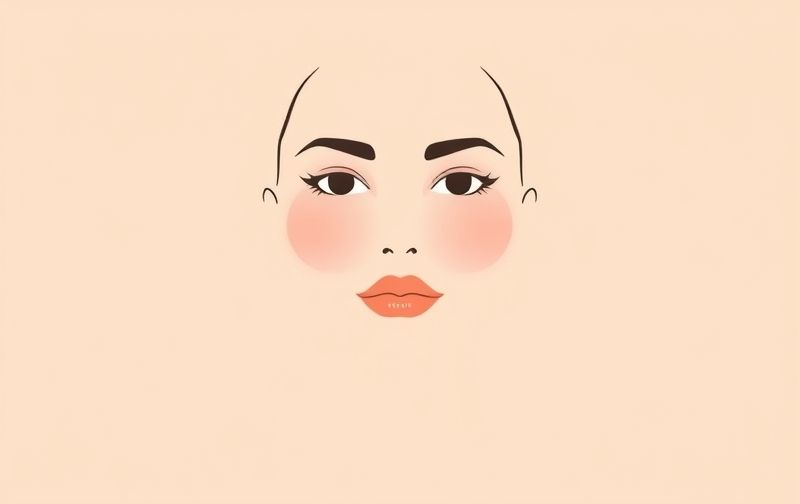
How to Reduce Pinkness in Skin Simple Tips for a Balanced ComplexionRedness or pinkness in the skin is a common concern for many people. It can be caused by various factors such as irritation, sunburn, skin conditions, or even emotional reactions. If you’re looking for ways to reduce the pinkness in your skin and achieve a more even complexion, there are several approaches you can try. In this topic, we’ll explore effective tips and solutions to help calm and reduce skin redness.
Understanding the Causes of Pinkness in Skin
Before diving into how to reduce pinkness, it’s essential to understand the reasons behind it. Skin redness can be caused by numerous factors, and identifying the root cause is the first step toward finding the right solution.
Common Causes of Skin Pinkness
-
Skin Irritation Harsh skincare products or allergic reactions to certain ingredients can cause irritation and redness.
-
Sunburn Overexposure to the sun can lead to a sunburn, often resulting in pink or red skin.
-
Rosacea This chronic skin condition leads to redness, especially around the cheeks, nose, and chin.
-
Emotional Reactions Stress, embarrassment, or anxiety can trigger a temporary flushing of the skin.
-
Temperature Changes Extreme hot or cold weather conditions can cause your skin to become irritated or flushed.
Once you know the cause of your skin’s pinkness, you can tailor your approach to reducing it effectively.
1. Use Gentle Skincare Products
If your skin is feeling irritated or red, it’s important to use skincare products that are soothing and gentle. Avoid products with harsh chemicals, alcohol, or fragrances, as these can exacerbate the redness.
Ingredients to Look for
-
Aloe Vera Aloe vera is well-known for its calming properties, helping to soothe irritated skin and reduce redness.
-
Chamomile Extract Chamomile has anti-inflammatory properties that can help reduce skin irritation and calm redness.
-
Niacinamide (Vitamin B3) This ingredient helps to improve skin texture and reduce redness, making it ideal for those with sensitive skin.
-
Green Tea Extract Known for its antioxidants, green tea helps to reduce inflammation and redness in the skin.
When selecting skincare products, opt for ones labeled for sensitive skin to avoid further irritation.
2. Hydrate Your Skin from the Inside and Out
Dehydration can make your skin look more irritated and increase the appearance of redness. Proper hydration is essential for maintaining a healthy skin barrier and preventing unnecessary inflammation.
Tips for Hydration
-
Drink Plenty of Water Hydrating from within is crucial for maintaining healthy skin. Make sure to drink enough water throughout the day to keep your skin hydrated and plump.
-
Moisturize Regularly Use a gentle moisturizer to lock in hydration and keep your skin soft. Look for moisturizers with hydrating ingredients like glycerin or hyaluronic acid.
Keeping your skin well-hydrated helps to maintain its health and can reduce the visibility of redness or irritation.
3. Protect Your Skin from Sun Exposure
Sunburn is a common cause of skin redness. Prolonged sun exposure can damage the skin and lead to painful, pink, or red areas. Protecting your skin from harmful UV rays is crucial to preventing further irritation.
Sun Protection Tips
-
Apply Sunscreen Use a broad-spectrum sunscreen with at least SPF 30 every day, even on cloudy days. This helps protect your skin from UV rays that cause redness and sunburn.
-
Wear Protective Clothing In addition to sunscreen, consider wearing a hat, sunglasses, and clothing that covers your skin for extra protection from the sun.
-
Avoid Sun Exposure During Peak Hours The sun’s rays are the strongest between 10 AM and 4 PM. Try to limit your time outside during these hours to avoid unnecessary redness.
By consistently protecting your skin from the sun, you can prevent further redness and maintain a healthy, even complexion.
4. Apply Cold Compresses
Cold compresses can help reduce skin redness by constricting blood vessels and soothing inflammation. This method works particularly well for calming flushed skin caused by heat, sun exposure, or irritation.
How to Use a Cold Compress
-
Ice Pack Wrap some ice cubes in a soft cloth and gently apply the compress to the affected area for 10-15 minutes. This can help reduce redness and cool down the skin.
-
Chilled Washcloth Alternatively, you can soak a washcloth in cold water and apply it to your face for a cooling effect.
Cold compresses provide immediate relief by calming the skin and reducing visible redness.
5. Use Anti-Redness Makeup
If you need to reduce the appearance of redness in your skin quickly, using makeup can help neutralize the pink tones. Green-tinted makeup products can be particularly effective in counteracting redness.
Green Concealer for Redness
-
Green-Tinted Primer A green primer helps to balance out the pink tones in your skin, creating a more even base for foundation.
-
Color Correcting Concealer Apply a thin layer of green concealer to areas with noticeable redness, then blend it into your skin for a smooth finish. Follow up with your regular foundation and setting powder.
This makeup technique helps to neutralize pinkness and gives your skin a more balanced and flawless look.
6. Avoid Triggers That Cause Redness
Some everyday factors can trigger or worsen skin redness. Identifying these triggers and avoiding them can help reduce the frequency and severity of pinkness in your skin.
Common Redness Triggers
-
Spicy Foods Spicy meals can cause your skin to flush due to increased blood circulation.
-
Hot Beverages or Foods Hot drinks and food can raise the temperature of your body, causing your skin to become pink and flushed.
-
Stress Emotional reactions such as stress or anxiety can cause your face to flush temporarily.
-
Alcohol Consumption Alcohol can cause blood vessels to dilate, leading to facial redness.
By being mindful of your triggers and avoiding them when possible, you can help reduce the occurrence of pinkness in your skin.
7. Consider Professional Treatments
If the redness in your skin is persistent or caused by a medical condition like rosacea, you may want to consider professional treatments. A dermatologist can help guide you through the best options based on your skin type and condition.
Treatment Options
-
Topical Creams Your dermatologist may prescribe topical treatments like metronidazole or azelaic acid to reduce redness caused by conditions like rosacea.
-
Laser Treatments Laser therapy can target and reduce visible blood vessels under the skin, helping to reduce redness and even out your complexion.
-
Oral Medications For severe cases of skin redness or rosacea, oral antibiotics or other medications may be prescribed to control the condition.
Consulting a dermatologist ensures that you receive personalized advice and treatment to manage skin redness effectively.
8. Maintain a Healthy Lifestyle
A healthy lifestyle plays a significant role in the appearance of your skin. Proper nutrition, regular exercise, and good sleep habits can all contribute to a more balanced complexion.
Tips for a Healthy Lifestyle
-
Eat a Balanced Diet Consume a diet rich in antioxidants, vitamins, and minerals, such as leafy greens, berries, and healthy fats, to support your skin’s health.
-
Exercise Regularly Exercise helps improve circulation and supports overall skin health by delivering nutrients to your skin cells.
-
Get Enough Sleep Aim for 7-9 hours of quality sleep each night to give your skin time to repair and rejuvenate.
By maintaining a healthy lifestyle, you can support your skin’s natural defenses and reduce redness.
Conclusion
Reducing pinkness in the skin is achievable with the right approach. By using gentle skincare products, staying hydrated, protecting your skin from the sun, and avoiding triggers, you can significantly reduce redness and achieve a more even skin tone. If the redness is persistent or caused by a skin condition, professional treatments and lifestyle adjustments may also be necessary. By following these tips, you can manage facial redness and enjoy a calm, balanced complexion.