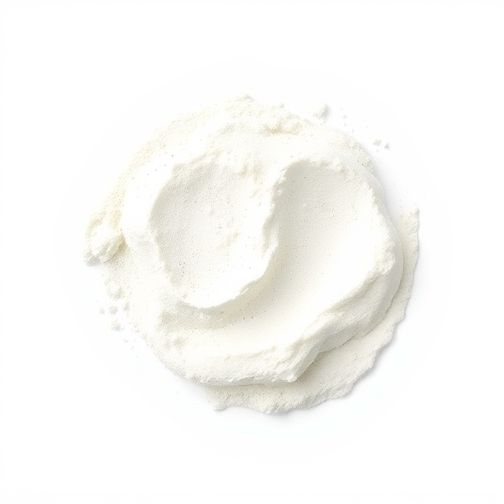
When it comes to baking, the type of flour you use can make a significant difference in the texture, color, and overall quality of your baked goods. One of the key distinctions in flour varieties is whether the flour is bleached or unbleached. Although both types are commonly available in supermarkets and used in various recipes, they have important differences that can impact your cooking. Understanding the difference between bleached and unbleached flour can help you make the best choice for your baking needs.
What is Bleached Flour?
Bleached flour is treated with chemical agents that speed up the natural aging process. Typically, this treatment involves chlorine gas or benzoyl peroxide, which help whiten the flour. The bleaching process also affects the texture and composition of the flour, making it softer and more refined.
Characteristics of Bleached Flour
-
Whiter Appearance The bleaching process removes the yellowish hue found in freshly milled flour, resulting in a pure white color.
-
Softer Texture The chemical treatment helps to break down the starches and proteins in the flour, making it finer and softer.
-
Quick Results The bleaching process speeds up the aging of the flour, which typically takes several months naturally.
-
Common Use Bleached flour is commonly used in baked goods like cakes, pastries, and cookies where a lighter texture and appearance are desired.
What is Unbleached Flour?
Unbleached flour, as the name suggests, has not undergone the bleaching process. This type of flour is allowed to age naturally, which means it retains its slightly off-white or cream color. Unbleached flour is often considered a more natural option because it does not involve chemical treatments.
Characteristics of Unbleached Flour
-
Natural Color Unbleached flour has a slightly yellow or off-white color due to the natural aging process.
-
Coarser Texture Compared to bleached flour, unbleached flour tends to have a slightly coarser texture because it has not been chemically treated to break down its starches.
-
Longer Aging Process Unbleached flour takes longer to age naturally, which results in a more robust flavor and firmer texture.
-
Common Use Unbleached flour is often preferred for bread baking, pizza dough, and other recipes where a firmer structure is necessary.
Key Differences Between Bleached and Unbleached Flour
1. Processing and Chemical Treatment
The main difference between bleached and unbleached flour lies in their processing. Bleached flour undergoes a chemical bleaching process, which accelerates the natural aging process and gives the flour a whiter color. In contrast, unbleached flour is allowed to age naturally without the use of chemicals. This gives unbleached flour a more natural, creamy color.
2. Color
As mentioned, bleached flour is much whiter than unbleached flour, which retains a more yellowish or off-white hue. The bleaching process strips the flour of some of its natural pigments, resulting in a pure white flour. This difference in color is mostly aesthetic, but it can affect the appearance of baked goods.
3. Texture
The texture of bleached flour is generally softer and finer than unbleached flour. The bleaching process helps break down the proteins and starches in the flour, making it more delicate. On the other hand, unbleached flour has a slightly coarser texture, which can give baked goods more structure and density.
4. Flavor
While the flavor difference between bleached and unbleached flour is subtle, many people find that unbleached flour has a richer, more robust taste. The natural aging process in unbleached flour allows for a deeper flavor profile, whereas bleached flour may have a slightly less pronounced taste due to the chemical treatments it undergoes.
5. Nutritional Content
Both bleached and unbleached flour are nutritionally similar, as they both come from wheat. However, some argue that unbleached flour retains slightly more nutrients due to the absence of bleaching agents. The chemicals used in the bleaching process may remove trace amounts of nutrients, although the difference is minimal and unlikely to have a major impact on your overall nutrition.
6. Uses in Baking
Bleached flour is commonly used in baked goods that require a lighter, fluffier texture, such as cakes, muffins, and pastries. The finer texture of bleached flour allows for a smoother batter and a more delicate crumb.
Unbleached flour, with its coarser texture, is ideal for bread and pizza doughs that need more structure and chewiness. The natural aging process of unbleached flour helps it develop a more complex flavor that enhances the taste of bread and other rustic baked goods.
Pros and Cons of Bleached Flour
Pros
-
Produces a finer, lighter texture in baked goods.
-
Ideal for delicate pastries, cakes, and cookies.
-
Readily available and often less expensive than unbleached flour.
Cons
-
The chemical bleaching process may not appeal to those seeking a more natural product.
-
Slightly less flavor and nutritional content compared to unbleached flour.
Pros and Cons of Unbleached Flour
Pros
-
More natural and free from chemical treatments.
-
Slightly richer flavor profile due to the natural aging process.
-
Better for bread and other hearty baked goods that require a firmer texture.
Cons
-
Takes longer to age naturally and may not be as readily available as bleached flour.
-
Slightly coarser texture, which may not be suitable for delicate recipes.
Which One Should You Choose?
The choice between bleached and unbleached flour depends largely on the recipe you are preparing and your personal preferences. If you are baking light, airy cakes or pastries, bleached flour may be the better option due to its finer texture. On the other hand, if you are making bread, pizza dough, or other hearty baked goods, unbleached flour is often the preferred choice for its firmer structure and richer flavor.
If you are concerned about the use of chemicals in food, unbleached flour may be the better choice for you. It is also the choice for those who prefer more natural, less processed ingredients in their cooking.
Both bleached and unbleached flour have their unique qualities and uses in the kitchen. While bleached flour is preferred for light, tender baked goods, unbleached flour is favored for recipes that require more structure and flavor. Understanding the differences between these two types of flour will help you make informed decisions in your baking and cooking, ensuring the best possible results for every dish you prepare. Whether you choose bleached or unbleached flour, knowing their characteristics will give you the edge in the kitchen, helping you create delicious, high-quality baked goods.