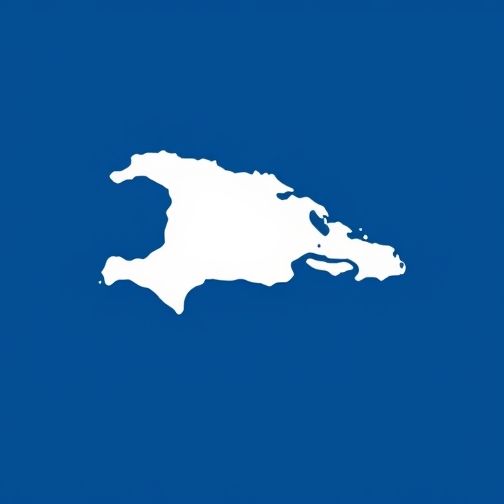
Dominican Republic Travel Advisory Important Information About the Haiti BorderWhy Travelers Should Stay Informed About the Haiti BorderThe Dominican Republic and Haiti share the island of Hispaniola, but their political, social, and economic situations are very different. For travelers planning a trip to the Dominican Republic, it’s essential to stay informed about current travel advisories, especially those related to the Haiti border. Tensions, security issues, and migration concerns can affect safety and travel conditions in certain areas of the Dominican Republic.
Understanding the Location and Context
The Dominican Republic is located on the eastern side of Hispaniola, while Haiti occupies the western part. The border between the two countries stretches for approximately 240 miles and includes several official crossing points. While most tourist destinations in the Dominican Republic, such as Punta Cana, Santo Domingo, and Puerto Plata, are far from the border, travelers should still be aware of regional developments.
Why the Travel Advisory Exists
Travel advisories related to the Dominican Republic and Haiti typically stem from political instability, violent crime, and humanitarian issues in Haiti. In recent years, the Dominican government has increased border security in response to
-
Migration pressures from Haiti due to economic hardship and unrest
-
Smuggling and illegal border crossings
-
Protests and tensions near crossing points
-
Efforts to prevent the spread of communicable diseases
These conditions have led to temporary border closures and tighter controls in border provinces.
Recent Border-Related Travel Updates
As of recent government and media reports, the Dominican Republic has occasionally closed or restricted access to certain land borders with Haiti due to unrest or public safety concerns. These decisions are typically short-term and are made to prevent spillover effects from Haitian instability.
Travelers should check for the latest updates before visiting areas such as
-
Dajabón
-
Elias Piña
-
Jimaní
-
Pedernales
These towns lie near or along the border and may experience heightened security, checkpoints, or limited movement.
Is It Safe to Travel to the Dominican Republic?
Yes, the Dominican Republic remains a popular tourist destination. Most resorts and cities visited by international tourists are far from the Haitian border and are considered safe. However, it’s always a good idea to take general safety precautions and stay updated with local news or government travel advisories.
Recommended safety measures include
-
Staying in well-known tourist areas
-
Avoiding travel near the Haiti border unless necessary
-
Keeping identification documents with you
-
Following instructions from local authorities
Tourists visiting border provinces should be especially cautious and avoid large gatherings or protests.
Official Government Travel Advisories
Several countries, including the United States, Canada, and the United Kingdom, provide official travel advice for citizens traveling abroad. These advisories frequently include specific guidance regarding the Dominican Republic-Haiti border.
Typical advice includes
-
Avoid non-essential travel to border areas
-
Be aware of the potential for sudden road closures
-
Monitor local news and embassy communications
While advisories vary by country, the general message is consistent border regions may be less stable and should be approached with caution.
Border Crossing Rules and Requirements
If you plan to cross the border between the Dominican Republic and Haiti, it’s important to understand the legal requirements and current restrictions.
Key points to know
-
Valid passports are required for entry into either country
-
Border crossings are only allowed at designated checkpoints
-
Travel may be limited due to government policies or security concerns
-
Visa and documentation requirements vary depending on your nationality
Cross-border travel is not common for most tourists, and those without a clear reason to enter Haiti are advised not to attempt it during periods of instability.
How Travel to Haiti Affects Dominican Republic Entry
Because of Haiti’s ongoing crisis, travelers who have recently visited Haiti may be subject to additional scrutiny when entering or exiting the Dominican Republic. Authorities may check travel history or ask questions about time spent in Haiti. This is particularly relevant for dual travelers or aid workers.
To avoid complications, carry proper documentation and be prepared to explain your travel itinerary if questioned.
Humanitarian Impact and Border Policy
The Dominican Republic has received international attention for its migration and border policies. In response to the crisis in Haiti, the Dominican government has taken steps to
-
Increase deportations of undocumented Haitian migrants
-
Build physical barriers along parts of the border
-
Strengthen immigration enforcement in towns and cities
While these actions are aimed at national security, they have also sparked human rights concerns and debate. Travelers may see increased military or police presence in certain areas as a result.
Staying Safe and Informed During Your Visit
To ensure a safe and stress-free visit to the Dominican Republic, keep these tips in mind
-
Register with your embassy – Many governments offer travel registration services for citizens abroad.
-
Stay connected – Use reliable news sources to monitor regional developments.
-
Travel with a plan – Know your route and avoid detours into border regions without purpose.
-
Use licensed transportation – Choose official taxis or rideshare services for safety.
-
Download local safety apps – Some countries have mobile apps that provide security updates or emergency contacts.
Conclusion What Travelers Need to Know
Traveling to the Dominican Republic remains safe for most tourists, especially those heading to major coastal resorts and cultural destinations. However, due to the unstable situation in neighboring Haiti, it’s important to be cautious if your plans include visiting the border region.
Keep an eye on official travel advisories, avoid non-essential travel near the border, and take general safety measures to enjoy your trip responsibly. By staying informed and aware of the situation, you can have a rewarding experience while respecting local conditions and regulations.