What Does ‘Epi’ in ‘Epidermis’ Mean? Understanding Prefixes in AnatomyIn the world of biology and medicine, many complex words are made easier to understand by breaking them down into parts. One common prefix used in anatomical terms is ‘epi’. This prefix is found in words like epidermis, epicenter, and epiglottis. But what exactly does epi mean, especially in the term epidermis?
In this topic, we’ll explore the meaning of ‘epi,’ how it applies to the word ‘epidermis,’ and why understanding prefixes is helpful when studying anatomy or medical science.
The Meaning of ‘Epi’
The prefix ‘epi’ comes from Greek, where it means upon, on, over, or above. It is commonly used in scientific and medical terms to describe something that is positioned on or over something else.
Understanding this small but powerful prefix can help you make sense of many words related to the human body and nature.
What Is the Epidermis?
To understand how ‘epi’ functions in the word epidermis, let’s define what the epidermis is.
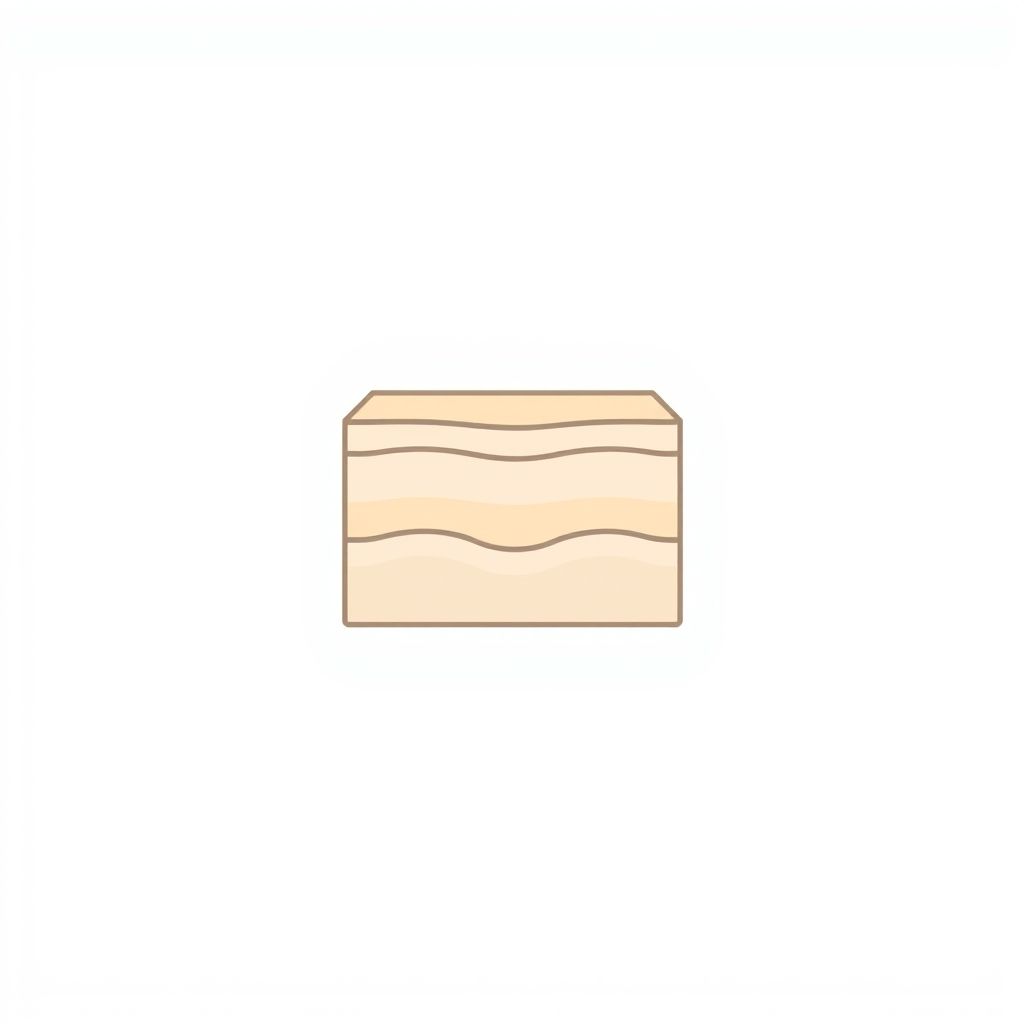
The epidermis is the outermost layer of the skin. It acts as a protective barrier that covers the entire body, shielding it from harmful bacteria, UV rays, and dehydration. Beneath the epidermis lies the dermis, a thicker layer that contains blood vessels, nerve endings, and connective tissue.
So, when we say epi-dermis, we’re literally saying ‘upon the dermis.’ The prefix epi- tells us that this layer sits on top of the dermis.
Why Prefixes Matter in Science
Understanding prefixes like epi can help students and professionals alike decode unfamiliar terms. Instead of memorizing every word, you can break them into smaller parts
-
Epi (upon) + dermis (skin layer) = Epidermis
-
Epi (upon) + glottis (part of the larynx) = Epiglottis
-
Epi (above) + center = Epicenter
This method can make learning easier and faster, especially in fields like biology, medicine, and geology.
The Layers of the Skin
To better appreciate the term ‘epidermis,’ it helps to understand the basic structure of the skin.
1. Epidermis
-
The top layer
-
Provides a waterproof barrier
-
Contains melanin, the pigment that gives skin its color
2. Dermis
-
Lies just beneath the epidermis
-
Contains sweat glands, hair follicles, and connective tissues
3. Hypodermis (also called the subcutaneous layer)
-
Below the dermis
-
Made of fat and connective tissue
-
Helps insulate the body and cushion internal organs
In this layered structure, the epidermis is clearly the outermost part, living up to the meaning of the prefix epi.
Common Words with the Prefix ‘Epi’
Here are a few other terms that use the prefix epi and how their meanings relate to the concept of being on or above
-
Epinephrine – A hormone secreted by the adrenal glands that acts upon the nervous system.
-
Epithelial Tissue – Tissue that covers surfaces and lines cavities in the body.
-
Epicardium – The outer layer of the heart.
-
Epidemic – A disease that spreads over a wide area.
Each of these words uses epi to indicate something that is above, upon, or in the outermost position.
Educational Value of Understanding Word Roots
Whether you’re a student, teacher, or simply curious about the human body, learning prefixes and root words builds a strong foundation for understanding technical vocabulary. It allows you to
-
Predict the meaning of unfamiliar terms
-
Improve comprehension in biology or anatomy classes
-
Remember definitions more easily
It also reduces the need for rote memorization, as recognizing a word’s parts gives you clues to its full meaning.
Real-Life Applications
The term epidermis is not only important in biology textbooks but also in real-world contexts. For instance
-
In skincare, products are often designed to work on the epidermis. Understanding this term helps you make informed choices.
-
In medicine, injuries like cuts or burns may be described as superficial if they only affect the epidermis.
-
In cosmetics, treatments like exfoliation target dead cells on the surface of the epidermis.
Understanding what the epidermis is and the role of ‘epi’ in the word gives you better insight into how your skin works and how to care for it.
Summary Key Takeaways
-
‘Epi’ means ‘upon,’ ‘on,’ or ‘above’ and is of Greek origin.
-
In epidermis, ‘epi’ refers to the outermost layer of skin sitting upon the dermis.
-
Knowing prefixes like epi helps you understand complex words in biology, medicine, and beyond.
-
The skin has three main layers epidermis, dermis, and hypodermis.
-
Terms like epiglottis, epicenter, and epithelial also use ‘epi’ in similar ways.
Learning the meaning of epi in epidermis opens the door to a better understanding of scientific language. By recognizing this simple prefix, you can begin to unlock the structure and meaning of many technical terms. Whether you’re studying human anatomy or just exploring the science behind your body, starting with word roots like epi makes the journey clearer and more engaging.