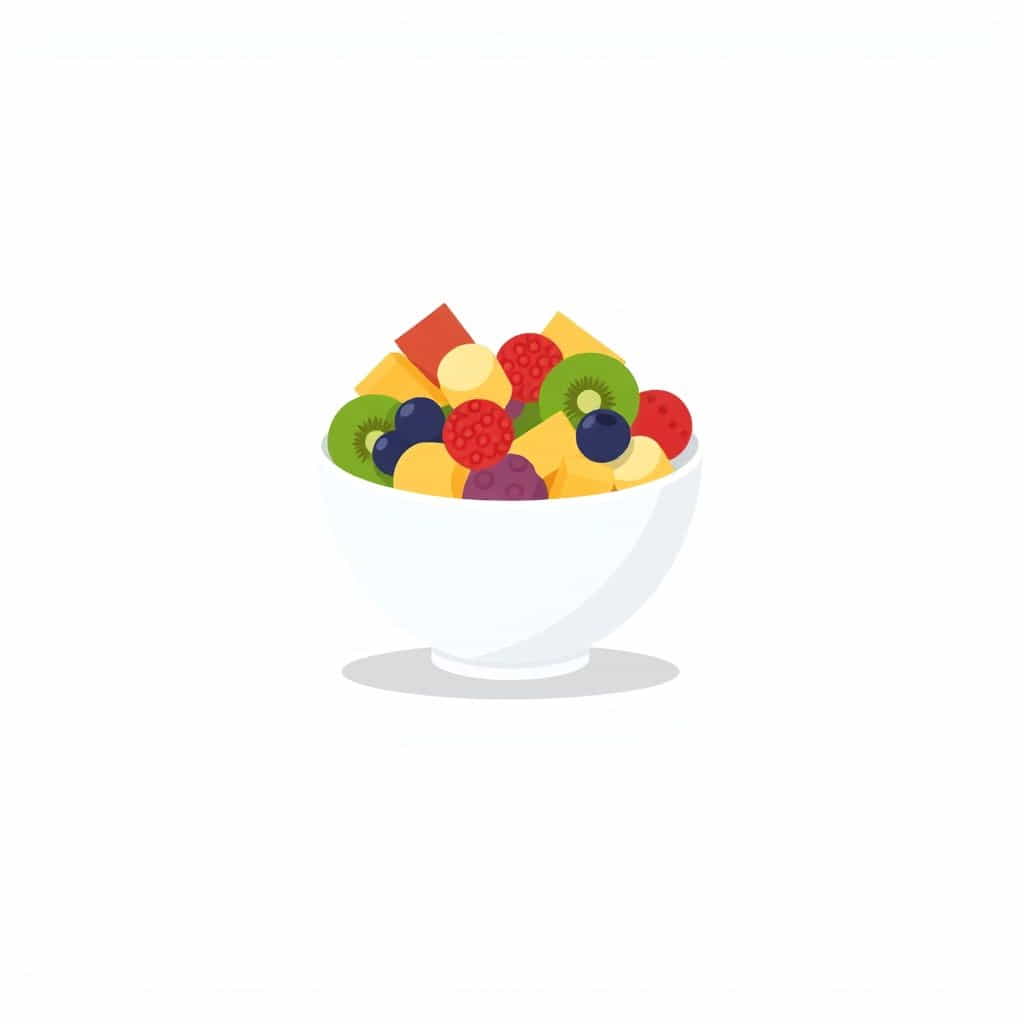
Is Fruit Salad Homogeneous or Heterogeneous? Exploring the Science Behind the DishFruit salad is a beloved dish that brings together a variety of fruits in a colorful and refreshing mix. But when it comes to categorizing fruit salad, many wonder whether it is homogeneous or heterogeneous. These terms are often used to describe mixtures in science, and they refer to how evenly or unevenly substances are combined. Understanding the difference between homogeneous and heterogeneous mixtures can help clarify how we perceive common foods like fruit salad. In this topic, we will explore the concepts of homogeneous and heterogeneous mixtures and apply them to fruit salad.
What Are Homogeneous and Heterogeneous Mixtures?
Before diving into the fruit salad question, it’s important to understand what homogeneous and heterogeneous mixtures are. These terms are used in chemistry and refer to the composition of a mixture.
-
Homogeneous Mixture In a homogeneous mixture, the components are uniformly distributed, meaning you cannot see the individual parts. The mixture appears consistent throughout. A classic example of a homogeneous mixture is salt dissolved in water. Once the salt dissolves, the solution looks the same everywhere, and you can’t distinguish the salt from the water.
-
Heterogeneous Mixture A heterogeneous mixture, on the other hand, has components that are not evenly distributed. The individual parts of the mixture remain distinct and can often be seen or separated. For example, a salad with different vegetables is a heterogeneous mixture because each vegetable remains separate from the others.
Fruit Salad Homogeneous or Heterogeneous?
Now that we understand the basics of homogeneous and heterogeneous mixtures, let’s apply these concepts to fruit salad. When you make a fruit salad, you typically combine a variety of fruits, such as apples, bananas, grapes, and oranges. These fruits maintain their individual identities within the mix.
A fruit salad is a heterogeneous mixture because the components the different pieces of fruit are not uniformly distributed. You can easily distinguish between the various fruits, and each fruit maintains its own color, texture, and flavor. Even though the ingredients are mixed together, they remain separate and identifiable.
Why Is Fruit Salad Heterogeneous?
There are a few key reasons why fruit salad is considered heterogeneous
-
Visibly Separate Components In fruit salad, the different pieces of fruit are visually distinct. Each fruit retains its individual shape, size, and color. You can easily identify the pieces of apple, banana, or strawberry, which is a hallmark of a heterogeneous mixture.
-
Variety of Textures and Flavors Another feature of a heterogeneous mixture is the variety of textures and flavors that you can experience. In fruit salad, you may encounter crunchy apples, soft bananas, juicy oranges, and tangy grapes, each with its own distinct texture and taste. This variety is another indication that the salad is not uniform in composition.
-
Separation of Components If you were to let the fruit salad sit for a while, the different fruits may naturally settle or separate. For example, pieces of fruit that are heavier might sink to the bottom, while lighter fruits could float to the top. This physical separation further reinforces the idea that fruit salad is a heterogeneous mixture.
Can Fruit Salad Ever Be Homogeneous?
While a typical fruit salad is heterogeneous, it is possible to make it more homogeneous under certain conditions. For example, if you blend the fruit salad into a smooth puree, the individual pieces of fruit would become indistinguishable. This would create a more uniform mixture, which could be classified as homogeneous. However, this would no longer be a traditional fruit salad, as the texture and visual appeal would change.
Why Does the Difference Matter?
Understanding whether a mixture is homogeneous or heterogeneous can help in various scientific fields, including food science, chemistry, and nutrition. In the case of fruit salad, the heterogeneous nature of the mixture means that different nutrients, textures, and flavors are not evenly distributed. This can affect how we perceive the dish and how the body processes the different nutrients in each fruit.
For example, some people may prefer fruit salad with more of a particular fruit, like extra strawberries or more bananas. Because fruit salad is heterogeneous, they can easily select the fruits they enjoy the most. On the other hand, a homogeneous fruit puree would distribute the flavors more evenly, making it harder to pick out individual fruits.
The Role of Fruit Salad in Nutrition
In terms of nutrition, fruit salad offers a variety of vitamins, minerals, and fiber, thanks to its diverse ingredients. A heterogeneous mixture like fruit salad allows you to enjoy the full spectrum of nutrients from different fruits in their natural forms. Whether you’re getting vitamin C from oranges, potassium from bananas, or antioxidants from berries, the mixture provides a balanced source of nutrition.
It’s worth noting that the nutritional content of a fruit salad can vary depending on the types of fruits used and how the salad is prepared. For example, adding a sugary dressing or mixing in high-calorie fruits could alter the overall nutritional profile.
Conclusion
Fruit salad is a classic example of a heterogeneous mixture. The different fruits maintain their distinct characteristics, and their textures, flavors, and appearances are easily identifiable. While it’s possible to make a homogeneous version of fruit salad by blending the ingredients, traditional fruit salad remains a heterogeneous mixture. Understanding this distinction helps in the broader context of food science and chemistry, as it illustrates how mixtures are formed and how their components interact.
So, next time you enjoy a bowl of fruit salad, you can appreciate not only its delicious flavors but also its scientific classification as a heterogeneous mixture.