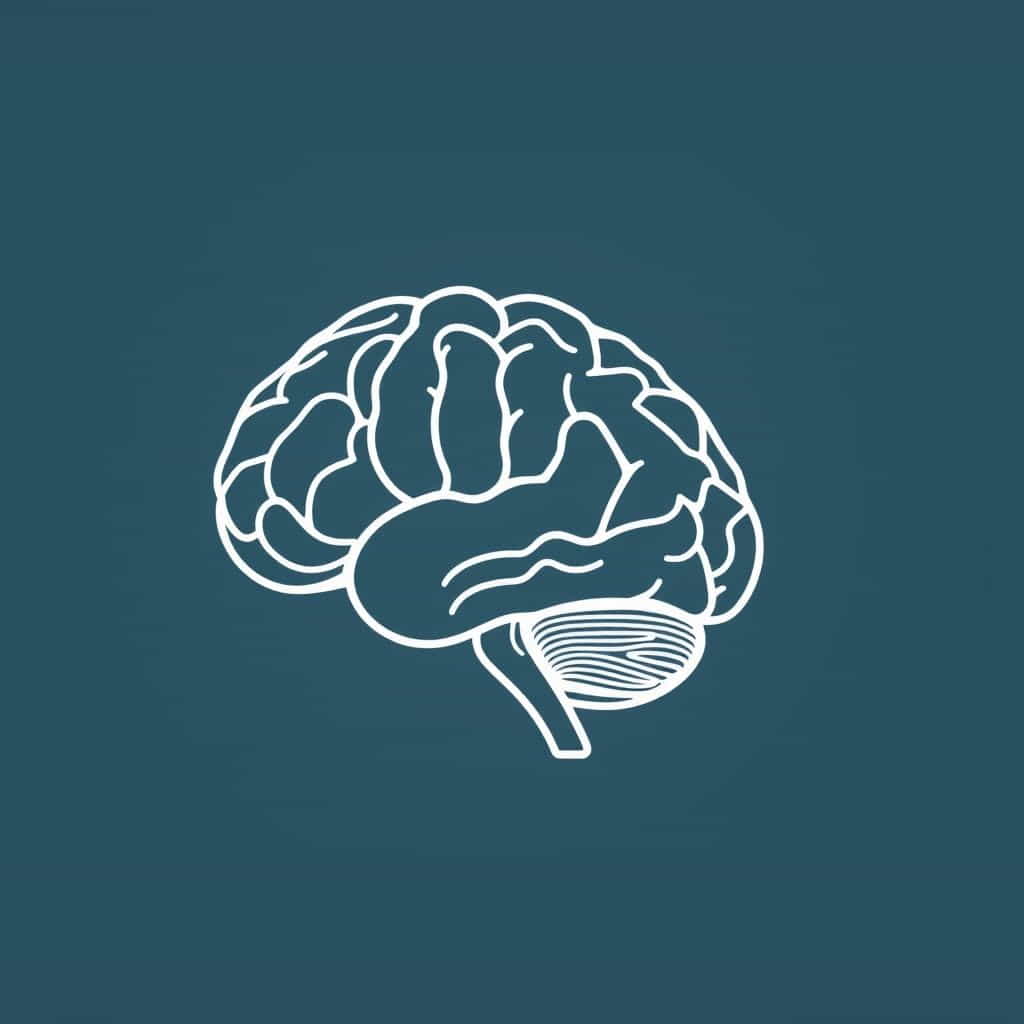
Function of the Cerebrum in the Brain Understanding Its Essential RoleThe brain is an intricate organ that controls every aspect of our body, from movement to thought processes. One of the largest and most important parts of the brain is the cerebrum. This part of the brain plays a critical role in our daily lives, influencing everything from cognitive functions to physical movements. The cerebrum is divided into two hemispheres, each responsible for various functions that are essential for our overall health and well-being. In this topic, we will explore the function of the cerebrum in the brain, highlighting its significance in controlling our actions, emotions, and thoughts.
What is the Cerebrum?
The cerebrum is the largest part of the brain, making up about 85% of its total weight. It is located at the top of the brain and is divided into two hemispheres the left hemisphere and the right hemisphere. Each hemisphere is further divided into four distinct lobes the frontal lobe, parietal lobe, temporal lobe, and occipital lobe. These lobes have specific functions that contribute to the overall capabilities of the cerebrum.
-
Left Hemisphere Primarily responsible for logical reasoning, language, and analytical tasks.
-
Right Hemisphere Primarily responsible for creativity, spatial abilities, and non-verbal reasoning.
Together, these hemispheres work in coordination to process information and control various functions in the body.
Main Functions of the Cerebrum
1. Cognitive Functions
The cerebrum is responsible for higher-level cognitive functions, which include thinking, memory, decision-making, and problem-solving. These processes occur in the frontal lobe, which is often referred to as the ‘executive center’ of the brain. It allows us to plan, make judgments, and understand complex concepts.
-
Memory The cerebrum plays a key role in storing and retrieving memories. It is involved in both short-term and long-term memory processes. The hippocampus, located within the temporal lobe, is especially important for forming new memories.
-
Learning Learning involves the ability to acquire new knowledge and adapt to new experiences. The cerebrum is involved in all aspects of learning, from recognizing patterns to applying learned information in real-world situations.
-
Problem-Solving The cerebrum allows us to approach challenges, evaluate different solutions, and make decisions. It enables us to think critically and logically to overcome obstacles.
2. Motor Control
Another essential function of the cerebrum is controlling voluntary movement. The motor cortex, located in the frontal lobe, sends signals to various muscles in the body to initiate movement. This function allows us to perform tasks like walking, writing, or even speaking.
The motor cortex is organized in a way that different parts of the brain control different areas of the body. For example, the area of the motor cortex that controls the legs is located near the part of the brain responsible for controlling the arms. This spatial organization is crucial for coordinating movement throughout the body.
- Fine Motor Skills The cerebrum also helps with fine motor skills, such as typing on a keyboard, playing a musical instrument, or using tools. These skills require coordination between different parts of the brain, and the cerebrum plays a central role in facilitating these complex tasks.
3. Sensory Processing
The cerebrum is responsible for processing sensory information from various parts of the body. Sensory information, such as touch, sight, sound, taste, and smell, is received by different areas of the cerebrum, allowing us to interpret and respond to our environment.
-
Somatosensory Cortex Located in the parietal lobe, the somatosensory cortex is responsible for processing tactile information, such as pressure, temperature, and pain. It allows us to feel sensations from our skin and internal organs.
-
Visual Processing The occipital lobe, located at the back of the cerebrum, is dedicated to processing visual information. It helps us interpret what we see, including recognizing objects, colors, and movement.
-
Auditory Processing The temporal lobe is involved in processing sound. It allows us to interpret speech and music, as well as localize sound sources.
4. Emotional Regulation
The cerebrum is also involved in regulating emotions. The limbic system, which is a set of structures located deep within the cerebrum, plays a key role in emotional responses. The amygdala, in particular, is important for processing emotions such as fear, anger, and pleasure.
-
Emotional Responses The cerebrum helps us react to emotional stimuli and adapt our behavior based on past experiences. For example, if you have a positive memory associated with a particular place, the cerebrum helps trigger a positive emotional response when you visit that place again.
-
Social Interactions The cerebrum enables us to understand and interpret emotions in others, which is essential for building relationships and navigating social situations. It allows us to empathize with others and respond appropriately to social cues.
5. Language Processing
The cerebrum is crucial for language production and comprehension. The Broca’s area and Wernicke’s area, located in the frontal and temporal lobes respectively, are responsible for language production and understanding. These areas allow us to form coherent speech, understand written and spoken language, and communicate effectively with others.
-
Broca’s Area This area is located in the left hemisphere and is responsible for speech production. Damage to this area can result in speech difficulties, such as the inability to form complete sentences.
-
Wernicke’s Area Located in the left temporal lobe, Wernicke’s area is responsible for language comprehension. Damage to this area can lead to difficulties in understanding language or forming meaningful sentences.
How the Cerebrum Supports Daily Life
The cerebrum enables us to carry out our daily activities by coordinating a wide range of functions. From thinking critically and solving problems to controlling our movements and interpreting sensory information, the cerebrum is essential for maintaining normal life processes.
-
Adaptation The cerebrum allows us to adapt to new environments and experiences. Whether learning a new skill or adjusting to a change in our routine, the cerebrum plays a central role in helping us adapt and thrive in different situations.
-
Decision-Making Whether making simple decisions, such as choosing what to eat, or complex ones, like planning a career path, the cerebrum helps us evaluate options and make informed choices.
-
Consciousness and Awareness The cerebrum is involved in our awareness of the world around us and our consciousness. It allows us to be aware of our thoughts, emotions, and actions, and gives us the ability to control our behavior.
The cerebrum is the powerhouse of the brain, responsible for a wide range of functions that allow us to think, move, feel, and interact with the world. Its roles in cognition, motor control, sensory processing, emotional regulation, and language are vital for everyday life. Understanding the function of the cerebrum in the brain helps us appreciate the complexity of the human brain and the remarkable ways it supports our daily activities. The cerebrum’s ability to integrate these diverse functions makes it one of the most important components of the brain, shaping how we experience the world and interact with others.