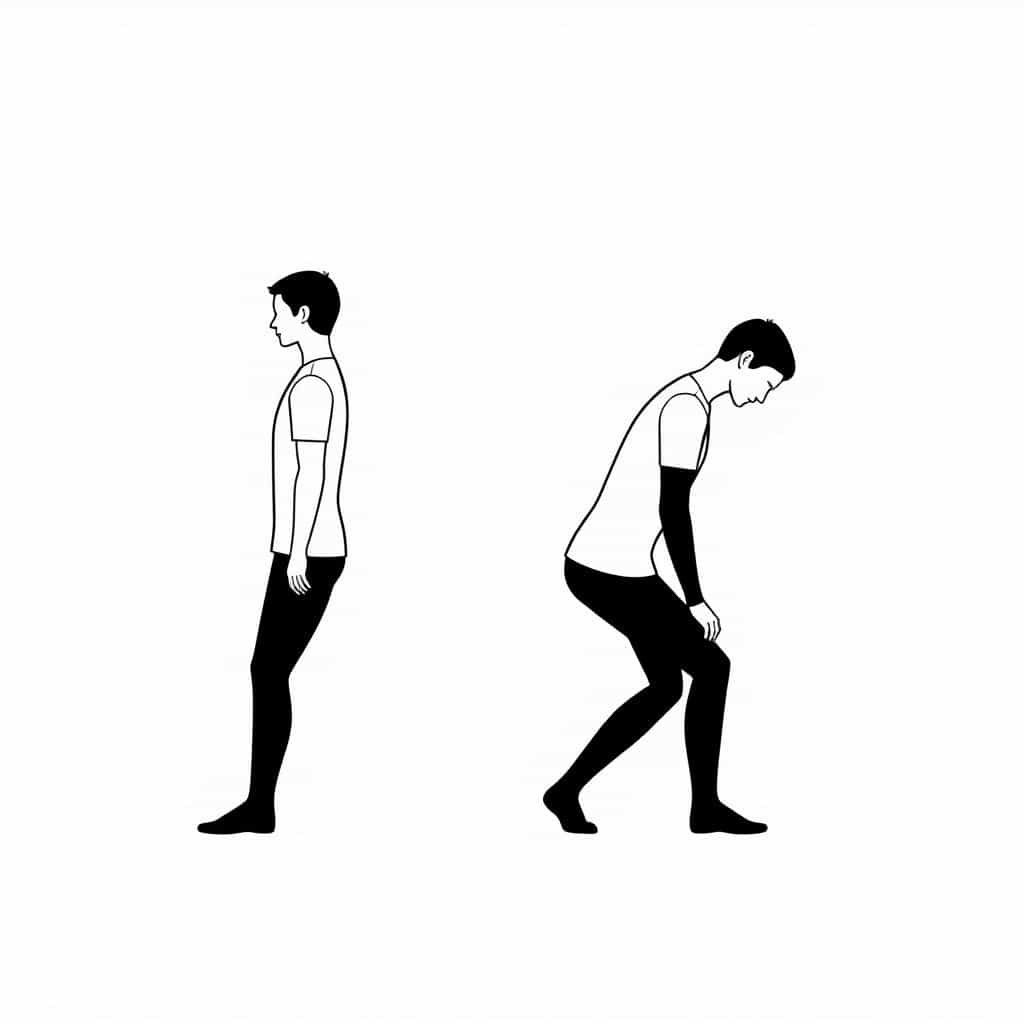
Understanding Get-Ups and Their Role in Deceleration TechniquesIn sports and physical training, the ability to decelerate effectively is as important as accelerating. Deceleration techniques help athletes maintain control, prevent injuries, and improve overall performance. One exercise that is widely used for training deceleration is the ‘get-up,’ a movement that involves transitioning from a prone (down) position to a standing (up) position. Understanding the mechanics of the get-up and how it relates to deceleration can enhance athletic performance across various disciplines, from team sports to martial arts. In this topic, we’ll explore the importance of get-ups, their relation to deceleration, and how mastering this movement can benefit your training.
What is a Get-Up?
A get-up is a foundational exercise commonly used in strength and conditioning routines. It involves transitioning from a lying or kneeling position to standing, usually in a controlled and deliberate manner. While get-ups are often performed with a weight (such as a kettlebell) for added challenge, they can also be done without any external load.
The primary goal of a get-up is to develop full-body strength, mobility, and stability. It requires coordination, flexibility, and strength in the legs, core, and shoulders. The movement is dynamic, requiring an athlete to move through multiple planes of motion to safely reach the standing position. When performed properly, the get-up helps improve both strength and control, which are key components of effective deceleration.
Deceleration in Sports and Exercise
Deceleration is the process of reducing the speed of movement, typically when an athlete is transitioning from a high-speed or explosive action into a controlled, stable position. For example, in basketball, a player may sprint down the court and then decelerate quickly to stop and change direction. In running, deceleration happens when an athlete slows down after a sprint or adjusts their pace during a race.
Proper deceleration techniques are essential for preventing injuries, particularly those related to knee and ankle stability. When athletes fail to decelerate correctly, they are more likely to experience strains, sprains, or falls. Efficient deceleration allows athletes to maintain balance, avoid sudden impacts, and prepare for their next movement.
The Connection Between Get-Ups and Deceleration
While a get-up is not a deceleration exercise in the traditional sense, it involves several key movements that are critical for effective deceleration. Here’s how
1. Core Stability and Control
A successful get-up requires a strong and stable core to move through various positions without losing control. This mirrors the importance of core stability during deceleration. When an athlete decelerates, they need to engage their core muscles to maintain balance and control. A weak core can lead to instability, increasing the risk of injury. The get-up helps train core muscles, making them more effective at stabilizing the body during deceleration movements.
2. Transitioning Between Positions
One of the primary features of the get-up is its transition from the ground to standing. This transition requires fluid movement and balance, much like an athlete decelerating from high speed into a controlled stop. The ability to shift from one position to another while maintaining stability is crucial for deceleration. Athletes who excel at get-ups can more easily control their body during high-intensity deceleration, whether it’s stopping after a sprint or coming to a controlled halt in a sport-specific movement.
3. Lower Body Strength and Control
The legs play a significant role in both the get-up and deceleration. In a get-up, the athlete must use their legs to push themselves into the standing position, requiring strength and coordination. In deceleration, the legs are responsible for absorbing the force and slowing down the body’s forward momentum. The strength and control developed through get-ups help athletes decelerate more smoothly and with less risk of injury.
How to Perform a Get-Up
Proper form is essential to gain the full benefits of a get-up and reduce the risk of injury. Here’s a step-by-step guide to performing a basic get-up
Step 1 Start in a Lying Position
Lie flat on your back with your arms extended overhead and one knee bent. Keep your foot flat on the floor, and the other leg should be extended straight.
Step 2 Engage Your Core
Brace your core and push the foot of your bent leg into the floor to initiate the movement. Your goal is to roll onto your side while keeping your arm extended.
Step 3 Elbow to Hand Transition
Push yourself up onto your elbow and then transition to your hand. This is the first part of the get-up and engages your shoulders and core.
Step 4 Sit Up and Lunge
From the hand position, sit up and position your extended leg under your body. From here, bring your hips up, and in a fluid motion, step the leg under you, positioning your body in a lunge.
Step 5 Stand Up
Finally, drive through your legs to stand upright, keeping your core engaged. Reverse the movement to return to the starting position.
How Get-Ups Improve Deceleration
The full-body coordination and strength required for get-ups translate directly into deceleration skills in several ways
1. Increased Control and Stability
By practicing the get-up, athletes can improve their control over their body, helping them decelerate more effectively. The transition from lying to standing in a get-up mirrors the need for control during deceleration. Athletes can practice maintaining balance while shifting their weight and adjusting their body position, skills that are essential for smooth deceleration.
2. Improved Muscle Coordination
The get-up forces coordination between various muscle groups, including the core, legs, and upper body. This coordination is similar to what is required during deceleration, as an athlete needs to engage multiple muscle groups to slow down safely. Training through get-ups helps athletes become more aware of how to distribute force and use their muscles in a controlled manner during deceleration.
3. Stronger Legs and Core
Deceleration requires the body to absorb force, and the legs and core play a key role in this process. The get-up strengthens these muscle groups, improving their ability to handle the forces involved in deceleration. A stronger core helps stabilize the torso, while stronger legs allow athletes to absorb impact and slow down more efficiently.
Incorporating Get-Ups Into Your Training
To enhance your deceleration skills, consider adding get-ups to your strength and conditioning routine. Here’s how you can integrate them
-
Perform Get-Ups as a Warm-Up Include get-ups in your warm-up routine to activate your core and prepare your body for more intense movements that require deceleration.
-
Use Get-Ups to Build Strength Include get-ups in your main workout to strengthen the muscles used in deceleration, particularly the core and lower body.
-
Incorporate Dynamic Movements Combine get-ups with other dynamic exercises like sprints or agility drills to mimic the deceleration movements found in sports.
Get-ups are a powerful exercise for improving strength, stability, and mobility, all of which contribute to better deceleration skills. By practicing this movement, athletes can develop the necessary coordination and control to decelerate effectively, reducing the risk of injury and improving overall performance. Whether you’re a runner, basketball player, or any other athlete, incorporating get-ups into your training routine can have a significant impact on your ability to decelerate smoothly and safely.