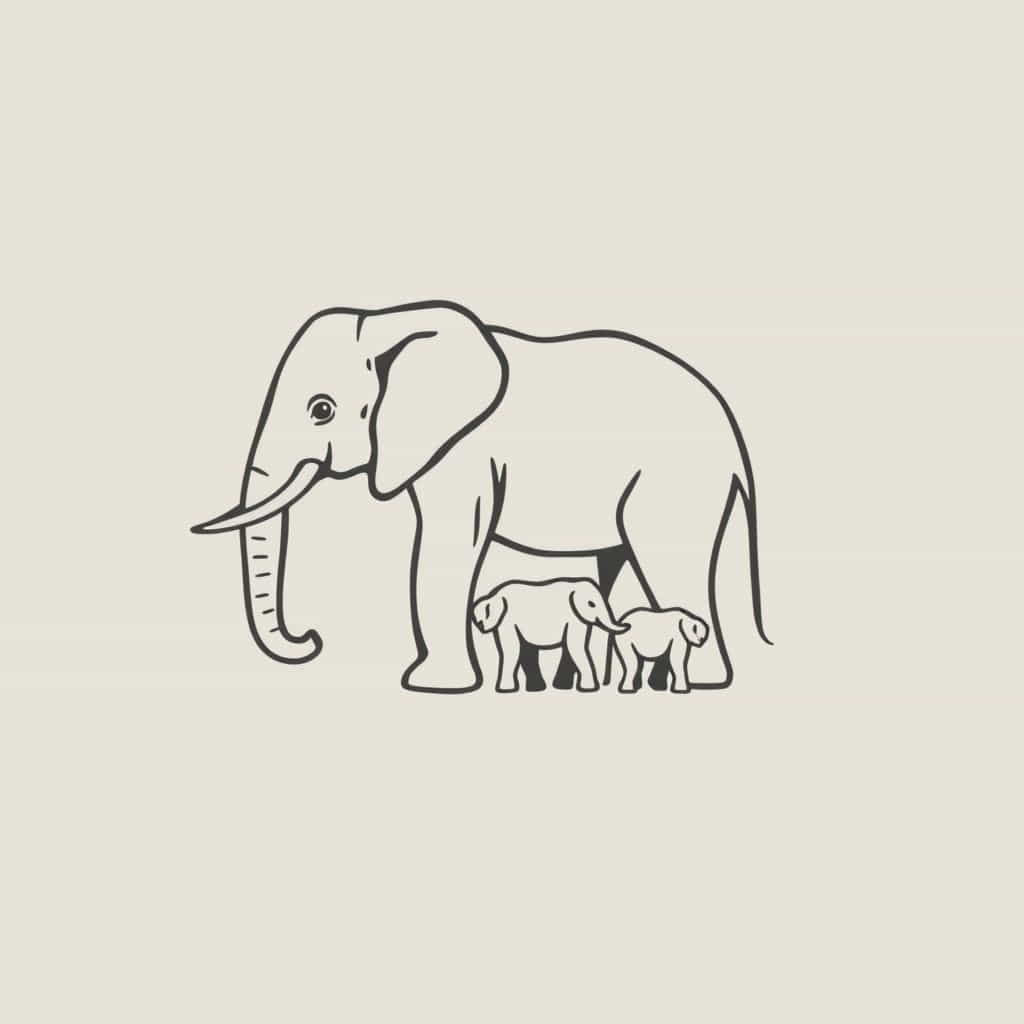
How Are Elephants Matriarchs Chosen? Understanding the Role of Female Leadership in Elephant HerdsElephants are one of the most fascinating and intelligent animals in the animal kingdom. Known for their social structures and complex behaviors, elephants live in tight-knit family groups led by a matriarch. The matriarch plays a crucial role in the survival and well-being of the herd. But how are these matriarchs chosen, and what qualities make them fit for such a vital leadership role? In this topic, we will explore the selection process of elephant matriarchs, the characteristics that define their leadership, and the importance of their role in maintaining herd cohesion.
The Social Structure of Elephant Herds
Before diving into how matriarchs are chosen, it’s essential to understand the social structure of elephant herds. Elephants are highly social animals, and their herds typically consist of related females and their young. Males, on the other hand, usually leave the herd once they reach adolescence and live a more solitary life or form loose bachelor groups.
Female elephants tend to stay with their natal herds for life, forming strong bonds with their relatives. These family groups are often led by an older, experienced female, known as the matriarch. The matriarch is responsible for guiding the herd, making critical decisions related to food, water, migration, and protection from predators.
The Role of the Matriarch in an Elephant Herd
The matriarch is the cornerstone of the herd’s survival. Her leadership is based on a deep understanding of the environment and a wealth of knowledge accumulated over the years. Her primary duties include
-
Guiding the Herd The matriarch leads the herd to food, water, and safe resting areas. Her extensive knowledge of the land allows her to find resources, especially in times of drought or scarce food availability.
-
Making Decisions When the herd faces dangers, such as predators or threats from humans, the matriarch leads the herd to safety. Her decisions are crucial for the survival of the entire group.
-
Maintaining Social Bonds The matriarch helps to mediate conflicts within the herd, ensuring harmony and unity. She also plays a role in teaching younger elephants important social behaviors.
-
Reproductive Leadership While males play a role in reproduction, the matriarch ensures that the herd’s reproductive health remains stable. She monitors the young and helps in the care of calves.
Given the significance of this role, it’s clear that the selection of a matriarch is not a simple matter.
How Are Elephants Matriarchs Chosen?
The Importance of Age and Experience
The matriarch is usually the oldest female in the herd, often referred to as the elder. Her advanced age gives her invaluable experience, making her the most knowledgeable and capable of leading the group. The selection of the matriarch is often a natural process based on age and survival.
Elephants live long lives, often reaching 60 to 70 years in the wild. Over the years, the matriarch accumulates a wealth of knowledge about migration routes, seasonal food sources, and safe places to drink. This experience makes her an indispensable leader.
In some cases, a younger female may rise to the position of matriarch if the previous matriarch dies or is no longer able to lead effectively. However, the younger female will typically need to prove herself through her ability to make wise decisions and show leadership qualities that benefit the entire herd.
Inherited Leadership
Leadership within elephant herds is often passed down through generations. When a new matriarch is chosen, it is usually one of the adult daughters of the previous matriarch. These daughters have grown up under the guidance of their mother and have learned the necessary skills to lead the herd.
The transition of leadership is generally smooth, as the younger females already possess the skills required for the role. Older females in the herd may help guide the new matriarch and offer advice, creating a system where knowledge is passed down and shared within the family.
The Role of the Older Females
While the matriarch is the primary leader, she is not alone in her leadership responsibilities. Older females in the herd play a vital role in decision-making. These older females often act as advisers, offering their wisdom and experiences to the matriarch.
In situations where the matriarch is too old, sick, or injured, these senior females may temporarily take over the leadership role. The collaboration between the matriarch and the older females ensures that the herd remains strong and united, even when leadership transitions occur.
Key Qualities of a Matriarch
Being a matriarch is not just about age certain qualities are essential for leading an elephant herd. These include
-
Wisdom and Experience The most important quality of a matriarch is her extensive knowledge of the environment and her ability to make well-informed decisions. This wisdom is accumulated over years of experience and is critical in times of crisis.
-
Emotional Intelligence Matriarchs are known for their ability to understand and manage the emotions of other elephants in the herd. They can recognize when a member is in distress and respond appropriately.
-
Strength and Resilience The matriarch must possess the physical strength and mental resilience to handle the pressures of leadership, particularly during challenging times such as food shortages or droughts.
-
Compassion and Empathy A successful matriarch is also compassionate and empathetic, showing care and concern for the younger members of the herd. She ensures their safety and wellbeing, nurturing them into adulthood.
These qualities make the matriarch a natural leader, capable of guiding her herd through both calm and tumultuous times.
The Challenges of Leadership
While the role of matriarch is essential, it also comes with significant challenges. The matriarch must constantly make decisions that affect the wellbeing of the entire herd. This can be particularly challenging during times of environmental stress, such as droughts or the presence of predators.
Moreover, the matriarch must maintain the social harmony of the herd, addressing conflicts and ensuring that all members cooperate and work together. Leadership is not only about making decisions but also about maintaining unity within the group.
The Impact of Human Activity on Matriarchal Leadership
In recent years, human activity has increasingly threatened elephant populations. Poaching, habitat destruction, and human-wildlife conflict have all impacted elephant herds and their ability to maintain natural leadership structures.
The loss of a matriarch, particularly due to poaching, can have a significant impact on the herd. Without a matriarch to guide them, younger elephants may struggle to find food, navigate migration routes, or respond to threats. This can lead to social instability and even the fragmentation of herds.
Conservation efforts are critical to ensuring that elephant populations can continue to thrive and that their leadership structures remain intact. Protecting elephants and their habitats is essential for preserving their complex social systems and the important role of the matriarch.
The process of choosing an elephant matriarch is rooted in experience, wisdom, and family ties. Matriarchs are typically the oldest females in the herd, possessing the knowledge and leadership skills necessary to guide their families through a variety of challenges. These female leaders are vital to the survival and stability of the herd, making their role one of the most important in the animal kingdom.
As we continue to learn more about elephant behavior and leadership, it is clear that the matriarchs’ knowledge and influence are essential for the well-being of their herds. By understanding how elephant matriarchs are chosen and what qualities define their leadership, we can better appreciate the complexity of elephant social structures and the importance of preserving these magnificent creatures and their habitats.