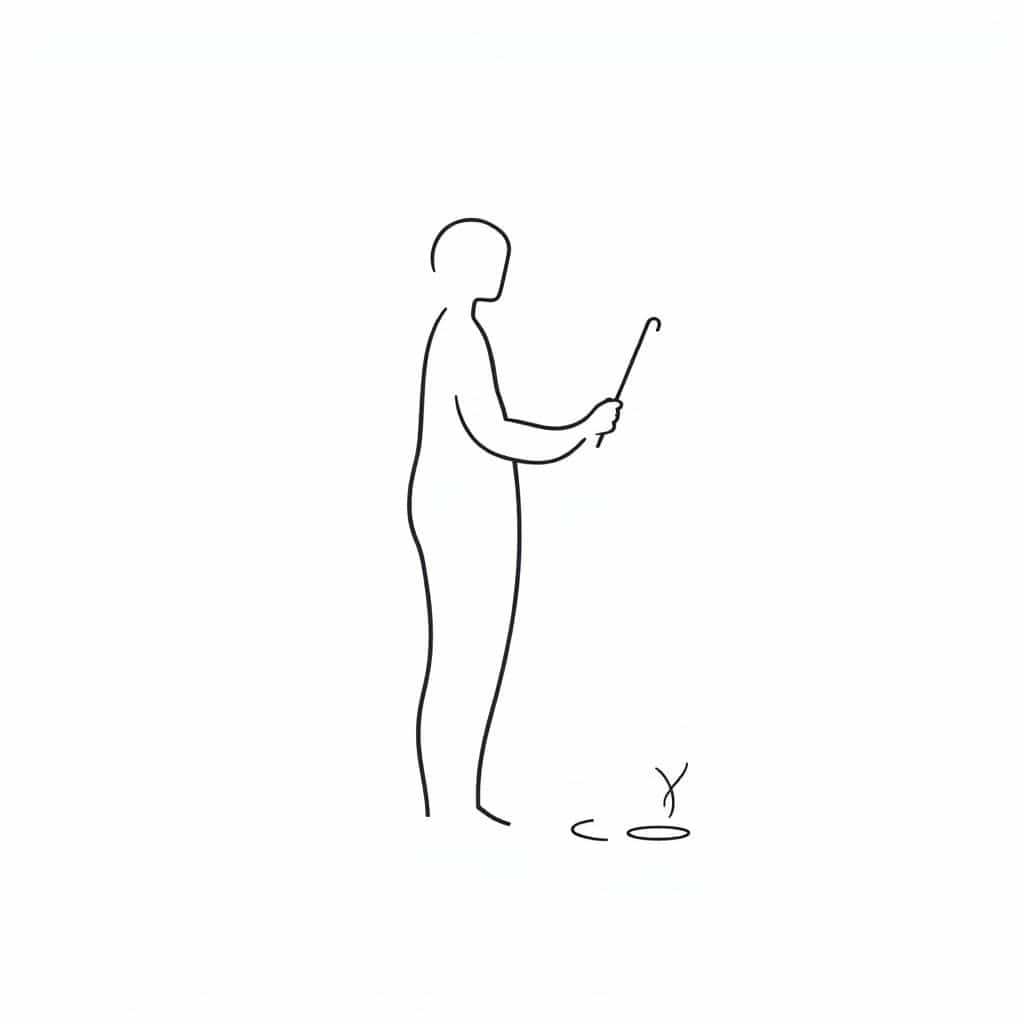
How Does a Dowser Work? Understanding the Art of DivinationDowsing, also known as water witching or divining, is a practice that dates back thousands of years. It is commonly associated with the search for water, but it has also been used to locate minerals, oil, or even lost objects. The process involves using a tool, often a forked stick, rods, or a pendulum, with the dowser believing that the tool moves or reacts in response to the energy or vibrations associated with the sought-after object. But how exactly does a dowser work, and what are the principles behind it? Let’s explore the fascinating world of dowsing.
What is Dowsing?
Dowsing is a method used by some people to locate hidden objects or substances, most commonly water. It is considered a type of divination, a practice that involves seeking knowledge of the future or the unknown through supernatural means. Traditionally, dowsers have used tools like forked twigs, pendulums, or metal rods to help them sense the presence of underground water or other materials. Although dowsing is widely regarded as a pseudoscience, many individuals continue to practice it, claiming that it offers accurate results.
The Tools Used in Dowsing
Dowsers typically use various tools to aid them in their search. Some of the most common tools include
1. The Dowsing Rods
The most common tool used by dowsers is a pair of metal rods, often made from copper or brass. These rods are held loosely in each hand, and the dowser walks over the area they believe might contain the hidden material. The rods are thought to cross each other when the dowser is over the location of interest, such as underground water.
2. The Forked Stick
Another classic tool is the forked stick, often a branch from a tree like willow or hazel. The dowser holds the two prongs of the stick, walking over the area. When they pass over a location with the desired object (such as water), the stick is believed to move or dip downward.
3. Pendulums
Some dowsers use pendulums, which are small, weighted objects that swing from a string or chain. By holding the pendulum above the area of interest, the dowser watches for specific movements or directions in the swing, which is thought to indicate the presence of the sought-after object.
4. Other Tools
In some cases, dowsers may also use other instruments like the Y-rod or even specialized equipment designed for particular searches, such as mineral detection. These tools are used in much the same way as the basic dowsing rods or forked stick.
How Does Dowsing Work?
The actual mechanics behind dowsing remain a topic of debate. Those who practice dowsing believe that the human body can pick up on subtle energy fields or vibrations emitted by the object they are seeking. The tool, such as a pair of rods or a forked stick, is thought to act as an extension of the dowser’s subconscious mind, reacting to these energy signals. When the dowser is near the object or substance, their body or tool is said to respond.
While proponents of dowsing believe it is a natural ability to tune into certain energies, skeptics argue that it is more a result of the ideomotor effect the unconscious movement of muscles that occurs when a person is unaware of it. Essentially, the dowser may be unknowingly guiding the tool in response to their own beliefs or expectations. In this sense, the movements of the rods or stick could be more psychological than supernatural.
Types of Dowsing
While the most common use of dowsing is to locate water, it has been used for many other purposes throughout history. Some of the different types of dowsing include
1. Water Dowsing (Hydrography)
This is the most traditional and widespread form of dowsing, where the dowser attempts to locate underground water sources. Dowsers typically search for water wells, springs, or underground streams, especially in areas where modern drilling or geological surveys may be difficult.
2. Mineral and Oil Dowsing
Dowsing has also been used in attempts to locate minerals, oil, and other natural resources. During the early 20th century, oil companies in particular were said to have used dowsers to find new drilling sites, although the practice has become less common with advances in geological science.
3. Lost Object Dowsing
Dowsers sometimes use their skills to find lost objects, such as keys, jewelry, or documents. This type of dowsing is more personal and can be used in everyday life by individuals who have misplaced items.
4. Psychic or Spiritual Dowsing
Some people also use dowsing as a tool for spiritual or psychic exploration. It may be used to locate specific energies, such as ley lines (earth’s energy grid), or to communicate with spiritual entities. This form of dowsing is often linked with metaphysical beliefs.
The Science Behind Dowsing Skeptics and Supporters
The scientific community is largely skeptical of dowsing, often attributing its success to coincidence, the ideomotor effect, or subjective bias. In many cases, controlled experiments have shown that dowsers perform no better than chance when asked to locate substances like water or minerals in randomized trials.
Despite this, some individuals continue to believe in dowsing’s effectiveness, claiming personal success stories or pointing to instances where dowsing seemed to lead them to water or valuable materials. For example, in rural areas or locations without advanced geological equipment, some still swear by the technique for locating water for wells.
The Ideomotor Effect and Dowsing
The ideomotor effect refers to the involuntary and unconscious movements made by a person, often in response to their expectations or beliefs. It is believed that when a dowser holds their rods or tool, their subconscious mind can subtly direct their hands, causing the rods to move without the dowser being consciously aware of it. This phenomenon has been observed in many practices, from muscle testing to pendulum dowsing, where the individual’s expectations guide the tool’s movement.
In dowsing, the dowser’s belief in the success of the technique could influence their hand movements or the subtle shifts in their body position. This could explain why dowsing appears to work in some cases though it does not provide conclusive evidence that supernatural forces are at play.
Is Dowsing Effective?
The effectiveness of dowsing is a subject of ongoing debate. While many practitioners report success, scientific studies often fail to show any significant results beyond chance. However, for some, the belief in dowsing’s power is deeply ingrained, and they view the practice as a form of divination or spiritual connection, rather than a scientific method.
For those who are open to exploring unconventional methods or believe in its abilities, dowsing remains a valuable tool for locating water, minerals, or even lost objects. Whether or not one accepts the scientific explanation, it remains a fascinating practice with a long history.
Dowsing is a practice that continues to captivate both practitioners and skeptics alike. Whether it is used for locating water, minerals, or lost objects, the technique’s underlying mechanisms remain unclear. Some people believe that dowsing is a natural ability to detect hidden energies, while others attribute its effectiveness to unconscious muscle movements. Regardless of its scientific explanation, dowsing persists as a tool for problem-solving, with many individuals claiming success in their endeavors. Whether or not it works in the way its proponents suggest, the practice of dowsing continues to intrigue people around the world.