How to Acclimate a New Kitten to Your Home A Complete Guide for a Smooth TransitionBringing home a new kitten is an exciting and joyful moment, but for the kitten, it’s a big change. Whether adopted from a shelter, a breeder, or rescued from the street, kittens need time and gentle care to adjust to unfamiliar surroundings. Knowing how to acclimate a new kitten to your home can help you build trust, reduce stress, and start a strong bond with your new furry friend.
Why Acclimation Matters
Kittens are highly sensitive to changes in environment, sound, and smell. A sudden shift from their previous place to a brand-new home can be overwhelming. Proper acclimation helps reduce fear, encourages healthy behavior, and allows the kitten to feel safe and loved.
Preparing Your Home Before Arrival
1. Set Up a Safe and Quiet Room
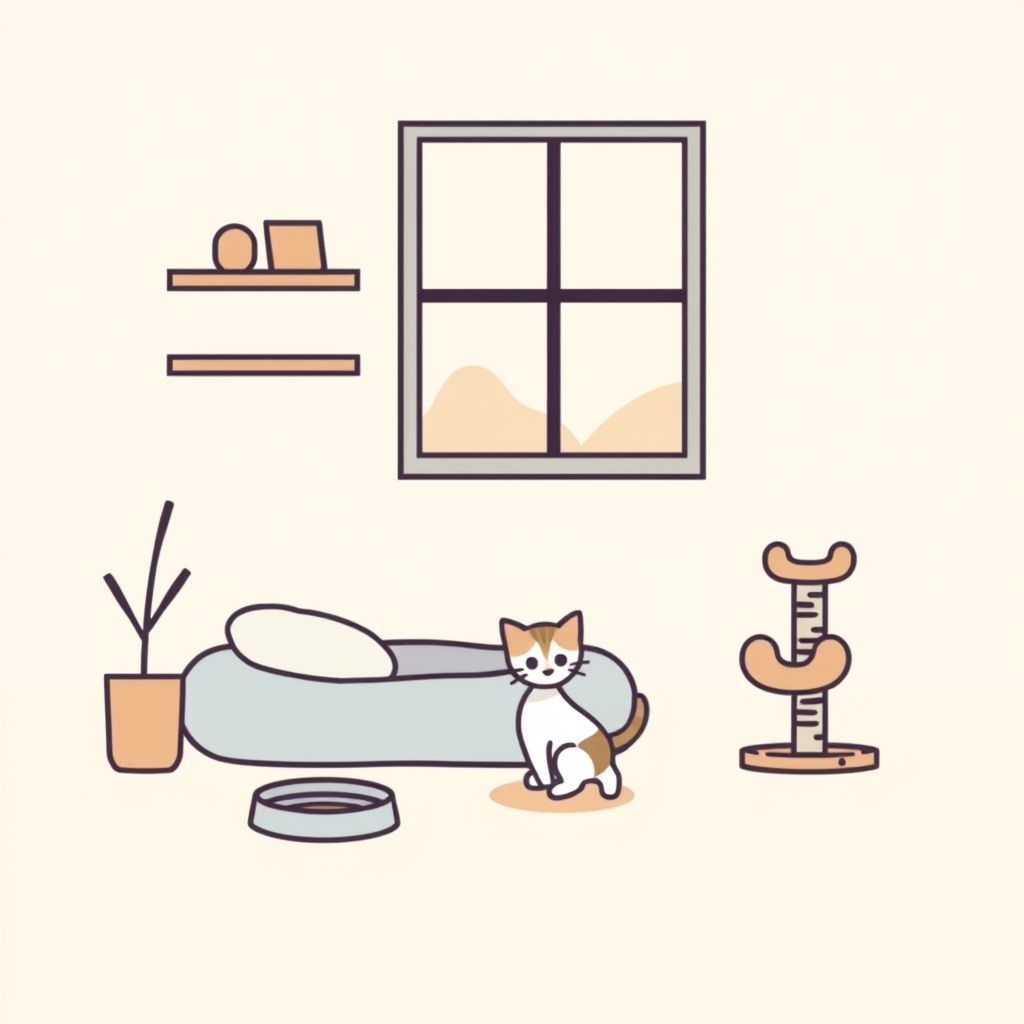
Before your kitten arrives, prepare a small, quiet space where they can begin to explore safely. This can be a spare room, bathroom, or a corner of your bedroom. The space should include
-
A cozy bed or blanket
-
Food and water dishes
-
A litter box placed away from feeding areas
-
Toys and a scratching post
Limiting their space in the beginning helps prevent overstimulation and allows them to feel more secure.
2. Kitten-Proof the Area
Kittens love to explore and climb. Look around for potential dangers like electrical cords, small items they could swallow, toxic plants, or open windows. Secure anything that might pose a risk.
3. Choose the Right Supplies
Having the right items ready can make a big difference. You’ll need
-
High-quality kitten food
-
Shallow litter tray with unscented litter
-
Comfortable bedding
-
Toys for stimulation
-
Scratching pads or posts
-
A carrier for safe transportation
The First Hours Letting Your Kitten Set the Pace
4. Allow Them to Explore on Their Own
When you bring your kitten home, gently place the carrier in the prepared room and open the door. Let them come out when they feel ready. Avoid loud noises or sudden movements. Give them space and time.
5. Minimize Noise and Activity
Keep the environment quiet, especially during the first day. Avoid visitors or introductions to other pets until your kitten seems relaxed and curious.
Building Trust and Comfort
6. Sit with Your Kitten Quietly
Spend time in the room with your kitten without forcing interaction. Sit on the floor, speak softly, and allow the kitten to approach you. This builds trust and helps them get used to your presence.
7. Offer Gentle Affection
Once the kitten shows interest, offer slow pets or chin rubs. Use treats to create positive associations with your hands and voice.
Gradual Introduction to the Rest of the House
8. Open New Spaces Slowly
After a few days, once your kitten is eating, using the litter box, and behaving confidently in their safe room, begin opening up the rest of your home one area at a time.
Allow them to explore under supervision. Monitor their behavior and always provide a retreat space if they become overwhelmed.
Establishing Routine and Security
9. Stick to a Feeding Schedule
Kittens thrive on routine. Feed them at consistent times during the day to help them feel secure. Avoid frequent changes in food or feeding habits.
10. Provide Daily Play Sessions
Playtime helps your kitten expend energy, stay healthy, and build confidence. Use interactive toys like wand teasers, balls, or soft mice to keep things fun.
Introducing Other Pets and Family Members
11. Take It Slow with Other Animals
Keep your kitten separated from other pets at first. Let them sniff each other under a door or through a barrier. Short, supervised introductions can be made once both animals appear calm.
Monitor their behavior and never leave them alone until you’re sure they get along.
12. Teach Children to Interact Gently
If you have kids, show them how to approach and handle the kitten gently. Loud voices, chasing, or rough play can scare the kitten and delay bonding.
Managing Common Behaviors
13. Don’t Punish – Redirect
If your kitten scratches furniture or bites while playing, don’t yell or punish them. Redirect the behavior using toys or scratching posts. Positive reinforcement works far better than discipline.
14. Expect Some Hiding
It’s normal for a kitten to hide under furniture for the first few days. Don’t force them out. Give them time, and let them come to you when ready.
Nighttime Routines and Sleep
15. Prepare for Nighttime Activity
Kittens are naturally active at night. To help them settle, provide interactive playtime before bed. You can also keep a warm blanket or plush toy in their bed for comfort.
First Vet Visit
16. Schedule a Checkup
Within the first week, take your kitten to the vet for a health exam, vaccinations, and deworming if necessary. Your vet can also discuss future spaying or neutering options.
Signs of Healthy Adjustment
-
Eating and drinking regularly
-
Using the litter box consistently
-
Exploring the home confidently
-
Seeking interaction and affection
-
Playing with toys
If your kitten isn’t showing these signs after a week or two, it may be worth contacting your vet for advice.
Acclimating a new kitten to your home is a rewarding process filled with little milestones. With patience, a quiet environment, and consistent care, your kitten will soon feel safe, happy, and part of the family.
Take things slowly, provide love and attention, and enjoy watching your new companion grow more confident each day. These first few weeks are the foundation for a lifelong bond between you and your kitten.