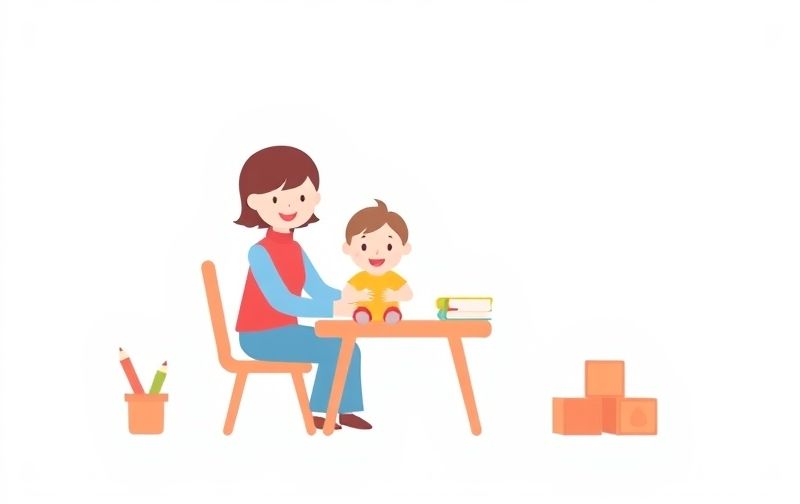
How to Homeschool a Preschooler A Step-by-Step GuideHomeschooling a preschooler offers many benefits, from personalized learning to flexible schedules. If you’re considering homeschooling your little one, it can be both a rewarding and challenging experience. Preschool is a crucial time for developing foundational skills, such as reading, counting, and socializing. By homeschooling, you have the opportunity to cater the learning experience to your child’s individual needs and pace.
In this guide, we’ll explore how to effectively homeschool a preschooler, covering important tips, strategies, and resources to help create an engaging and educational environment at home.
Step 1 Establish a Routine
One of the first steps in homeschooling a preschooler is to establish a consistent daily routine. Young children thrive on routine, as it gives them a sense of security and predictability.
Why a Routine is Important
A structured routine helps your preschooler understand what to expect throughout the day. It reduces stress and helps them focus better during learning time. A routine can also make it easier to balance various activities, from lessons to playtime, meals, and naps.
Creating Your Routine
-
Set a regular wake-up and bed time Consistent sleep patterns are essential for your child’s well-being and focus.
-
Morning learning sessions Set aside 30 to 60 minutes for focused learning, such as reading, writing, and math.
-
Incorporate breaks Preschoolers need regular breaks to stay engaged and avoid frustration. Include time for snack breaks and outdoor activities.
-
End with free play Let your child unwind and play freely at the end of the day to reinforce creativity and self-expression.
Step 2 Choose an Approach to Learning
There are several different methods you can use to homeschool your preschooler. Each method has its strengths, so it’s important to choose one that aligns with your child’s learning style and your teaching preferences.
Popular Homeschooling Approaches for Preschoolers
-
Montessori Method Focuses on self-directed activity, hands-on learning, and collaborative play. It encourages preschoolers to explore their interests and develop problem-solving skills.
-
Reggio Emilia Emphasizes a child-centered approach, valuing the child’s voice in the learning process. It focuses on art, creativity, and communication through exploration.
-
Traditional Approach Involves structured lessons with a focus on basic academic skills such as reading, writing, and math. This approach is more teacher-directed.
-
Unschooling Encourages learning through everyday life and experiences rather than formal lessons. It emphasizes self-learning based on curiosity and interests.
Select the approach that feels right for your child and adapt it as needed.
Step 3 Create a Learning Space
Having a designated learning space can help signal to your preschooler that it’s time for focused activities. While this space doesn’t need to be a separate room, it should be quiet, organized, and free from distractions.
Setting Up the Learning Area
-
Use child-friendly furniture A small table and chairs, a cozy reading nook, or even a mat on the floor can work well for preschoolers.
-
Organize materials Keep books, toys, and learning supplies in easy-to-reach storage bins. This will encourage your child to be more independent and organized during lessons.
-
Create a calming environment Choose colors and decorations that foster a calm atmosphere, such as soft lighting or nature-inspired elements.
Step 4 Incorporate Hands-On Activities
Preschoolers learn best through play and hands-on activities. The more interactive and tactile the experience, the better your child will retain the information. You can incorporate learning into everyday activities like cooking, gardening, or playing with building blocks.
Fun and Educational Activities for Preschoolers
-
Arts and crafts Use simple materials like paper, crayons, and glue to create art projects that focus on shapes, colors, and creativity.
-
Sensory activities Introduce activities that engage your child’s senses, such as playing with sand, water, or playdough.
-
Music and movement Encourage rhythm, singing, and dancing to develop coordination, listening skills, and memory.
-
Math games Use toys or everyday objects to teach counting, sorting, and basic addition and subtraction.
Hands-on activities help develop fine motor skills, enhance cognitive development, and make learning more enjoyable for young children.
Step 5 Focus on Socialization
Even though homeschooling offers individualized learning, socialization is still an important part of preschool education. Homeschooling doesn’t mean your child has to miss out on social experiences. There are many ways to provide opportunities for interaction with other children.
Socialization Ideas for Homeschoolers
-
Playdates Arrange regular playdates with other children, either at home or in a park, to foster social skills like sharing and cooperation.
-
Co-op groups Look for local homeschooling co-ops or groups that allow children to participate in group learning activities or field trips.
-
Community events Attend local events like library story times, park outings, or children’s workshops to expose your child to different environments and peers.
Step 6 Foster a Love for Reading
Reading is one of the most important skills to develop in preschool. Early literacy skills provide the foundation for all future learning. Incorporating books into daily activities can help your child develop a love for reading.
Tips for Encouraging Reading
-
Read aloud daily Set aside time every day to read books together. Choose a mix of stories, nursery rhymes, and interactive books with flaps or textures.
-
Create a reading routine Make reading part of your daily routine, such as reading before naptime or bedtime.
-
Let your child choose books Encourage your child to pick their own books, as this promotes independence and excitement about reading.
-
Use books to teach other subjects You can integrate learning by choosing books that introduce colors, numbers, animals, or other educational topics.
Step 7 Be Flexible and Patient
Preschoolers are constantly changing, and learning can sometimes be unpredictable. Some days may go smoothly, while others may be filled with distractions or short attention spans. It’s important to remain flexible and patient throughout the homeschooling process.
Tips for Maintaining Flexibility
-
Go at your child’s pace Don’t push your child to learn something they’re not ready for. Adapt your lessons based on their interests and developmental stage.
-
Adjust the schedule If a particular lesson isn’t working, feel free to adjust the schedule or switch to a different activity that keeps your child engaged.
-
Celebrate progress Even small achievements are worth celebrating. Positive reinforcement encourages a growth mindset and motivates your child to keep learning.
Step 8 Use Online Resources and Support
There are many online resources available to help you with homeschooling your preschooler. From printable worksheets to video lessons, these tools can make teaching easier and more enjoyable.
Online Resources for Homeschooling Preschoolers
-
Educational apps Use apps designed for preschoolers to practice math, letters, and shapes in a fun, interactive way.
-
Printable worksheets There are numerous websites offering free worksheets that cover basic skills like writing, numbers, and colors.
-
Homeschooling blogs and forums Connect with other homeschooling parents for advice, ideas, and support. Learning from others can give you new perspectives and inspiration.
Conclusion Enjoy the Journey
Homeschooling a preschooler can be an enriching experience for both you and your child. By creating a structured yet flexible learning environment, focusing on hands-on activities, and maintaining a positive attitude, you’ll help your preschooler develop essential skills that set the foundation for their academic journey.
Remember, the goal is not just to teach, but to inspire curiosity, creativity, and a lifelong love of learning.