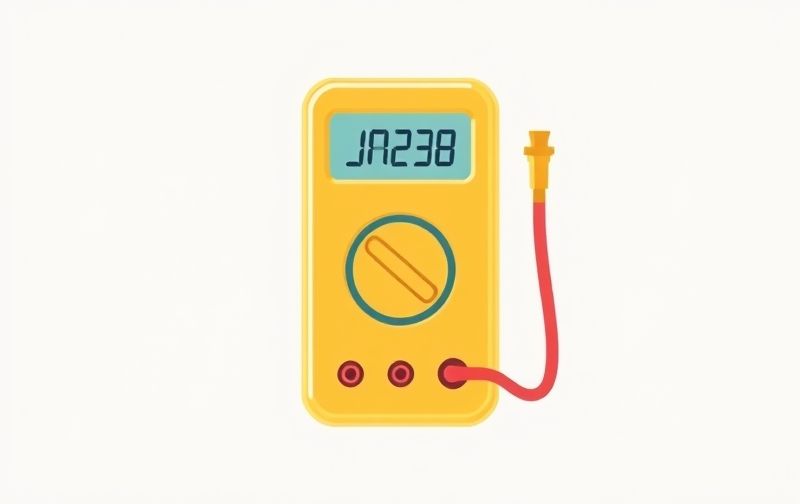
Is a Multimeter a Voltmeter? Understanding the DifferenceWhen working with electrical circuits, having the right tools is essential. Among the most common tools used by electricians and hobbyists alike are the multimeter and voltmeter. But what happens when these two tools are mentioned in the same breath? Is a multimeter a voltmeter?
While both are used to measure electrical values, understanding the key differences between them can help you choose the right instrument for your needs. In this topic, we will explore what a multimeter is, how it compares to a voltmeter, and when to use each device.
What is a Voltmeter?
A voltmeter is a specialized tool designed to measure the voltage (also known as potential difference) between two points in an electrical circuit. Voltage is the force that pushes electric current through a conductor, and knowing the voltage is crucial for understanding the behavior of a circuit.
Voltmeters are typically used to measure AC (alternating current) or DC (direct current) voltage in a variety of devices, from household appliances to automotive systems and industrial machines. They are generally used in two ways
-
Measuring the voltage across a component For example, you might measure the voltage drop across a resistor or capacitor.
-
Checking the voltage between two points in a circuit To determine if there is sufficient voltage to power a particular load.
A voltmeter is typically connected in parallel to the circuit component being tested. It provides the user with a direct reading of the voltage at that specific point in the circuit.
What is a Multimeter?
A multimeter, on the other hand, is a versatile instrument that combines several tools in one device. It is capable of measuring voltage, current, and resistance in a circuit. Due to its ability to measure multiple parameters, the multimeter is often referred to as a ‘combination meter.’
Multimeters are available in two main types
-
Analog Multimeters These meters display readings using a needle and dial.
-
Digital Multimeters (DMM) These meters provide precise numerical readings on a digital display, making them more accurate and user-friendly than analog models.
Multimeters typically have a dial or button to select the function (voltage, current, or resistance) and the range for the measurement. They are commonly used by electricians, engineers, and hobbyists for general-purpose electrical testing and troubleshooting.
Key Differences Between a Multimeter and a Voltmeter
While both devices measure voltage, their functions go beyond that. Let’s break down the key differences
1. Functionality
The main difference is functionality
-
A voltmeter is dedicated solely to measuring voltage. It provides only one type of measurement the potential difference between two points in a circuit.
-
A multimeter offers more flexibility. It can measure not only voltage but also current (amperes) and resistance (ohms). This makes it an all-in-one tool for various electrical measurements.
2. Measurement Range
A voltmeter is typically used to measure voltage in specific ranges (such as 0-10V, 0-100V, or 0-1000V). A multimeter, by contrast, has a wider range of measurements, which can include not only voltage but also current and resistance over various scales, such as milliamps, amps, millivolts, and ohms.
3. Versatility
Multimeters are highly versatile and are suitable for a wide range of electrical tasks. They are used to measure
-
AC and DC voltage
-
AC and DC current
-
Resistance
-
Continuity
-
Diode testing
-
Capacitance (on some models)
A voltmeter, being more specialized, is only used for measuring voltage. This makes a voltmeter less flexible in comparison to a multimeter, which can handle a broad spectrum of electrical testing.
4. Price and Complexity
Since a voltmeter is a simpler tool with a single function, it tends to be less expensive than a multimeter. It also has fewer features, making it easier for beginners to use. A multimeter, however, with its multiple functions and broader capabilities, typically comes at a higher price and may require a bit of learning to fully utilize.
When Should You Use a Multimeter?
Given its wide range of capabilities, the multimeter is an excellent tool for troubleshooting electrical circuits and devices. Here are some scenarios when using a multimeter makes sense
-
When you need to measure voltage, current, or resistance in a single device or circuit.
-
When testing electronic components such as resistors, diodes, transistors, and capacitors.
-
For continuity testing to ensure there are no breaks in the circuit.
-
When working with power sources, whether DC or AC, where you may need to check both voltage and current.
Multimeters are used in industries like electronics, automotive, home improvement, and more. They are great for DIY enthusiasts, electricians, and technicians who need a tool that can handle multiple tasks.
When Should You Use a Voltmeter?
A voltmeter remains a valuable tool for anyone needing a simple, dedicated instrument to measure voltage. Here’s when to use it
-
When you are only interested in measuring voltage in a circuit without needing to check current or resistance.
-
For high-voltage applications where you are only concerned with voltage readings.
-
For simplicity if you don’t need the additional functionality of a multimeter.
Voltmeters are often used in fields like power generation, energy systems, and electrical testing where voltage is the primary concern.
How to Use a Multimeter and a Voltmeter
Using a Multimeter
-
Select the Function Turn the dial to the voltage setting (AC or DC), current, or resistance, depending on what you need to measure.
-
Set the Range Choose the appropriate range for the measurement, either manually or automatically.
-
Connect the Probes Insert the probes into the meter’s designated terminals (positive and negative) and touch them to the points in the circuit you want to measure.
-
Read the Value The meter will display the value on the digital screen (for DMMs) or the needle on the dial (for analog models).
Using a Voltmeter
-
Set the Meter to Voltage If it’s an analog voltmeter, turn the dial to the voltage setting; for a digital voltmeter, select the voltage range.
-
Connect the Probes Attach the probes to the two points of the circuit where you need to measure the voltage.
-
Read the Voltage The reading will appear on the meter, indicating the potential difference between the two points.
While both a multimeter and a voltmeter are used for measuring voltage, they differ significantly in their range of functionalities. A voltmeter is specialized for voltage measurements only, while a multimeter can measure voltage, current, resistance, and other electrical parameters. The versatility of a multimeter makes it an essential tool for general electrical testing, while a voltmeter remains valuable for simpler, voltage-only tasks.
Understanding these differences and the proper applications of each tool will help you choose the right one for your specific needs. Whether you’re troubleshooting household electrical systems, repairing electronics, or testing components, knowing the capabilities of these devices will make your work more efficient and accurate.