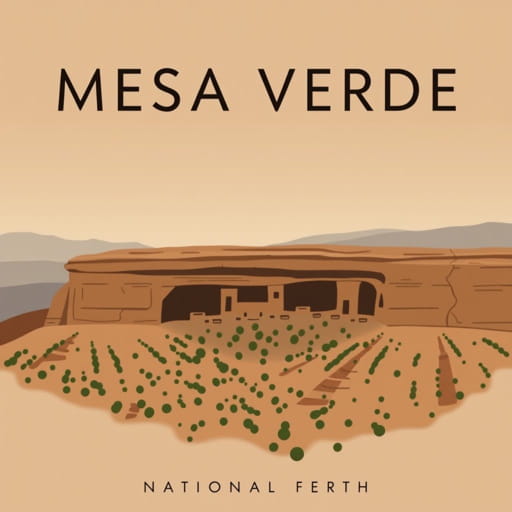
Is Mesa Verde a National Park? Exploring the Wonders of this UNESCO World Heritage SiteMesa Verde National Park is one of the most unique and historically significant sites in the United States. Located in Colorado, this park is famous for its ancient cliff dwellings and its rich cultural heritage. As a UNESCO World Heritage Site, it attracts thousands of visitors each year. But is Mesa Verde a national park? The answer is yes, and it is much more than just a park. In this topic, we will explore what makes Mesa Verde a national park, its history, and why it remains a must-visit destination for history and nature enthusiasts alike.
What is Mesa Verde National Park?
Mesa Verde National Park is located in the southwestern region of Colorado, near the town of Cortez. It spans over 52,000 acres and is home to some of the most well-preserved cliff dwellings in North America. The park was established as a national park in 1906, not only to protect the ancient structures but also to preserve the rich archaeological and cultural significance of the area.
The park is known for its archaeological sites, most notably the cliff dwellings built by the Ancestral Puebloans (also called the Anasazi) between 600 and 1300 CE. These dwellings, carved into the cliffs of the Colorado Plateau, represent a unique architectural and cultural heritage that has captivated historians and archaeologists for generations.
History of Mesa Verde National Park
The history of Mesa Verde dates back over 1,000 years when the Ancestral Puebloans settled in the area. The Ancestral Puebloans were a group of Native American peoples who lived in the Four Corners region of the United States, which includes parts of Colorado, New Mexico, Arizona, and Utah.
The people who inhabited the Mesa Verde region constructed intricate dwellings, most notably the cliff dwellings, in the alcoves of the sandstone cliffs. These dwellings were not only homes but also served as a means of protection from the elements and potential enemies. The structures feature multi-story buildings, plazas, and complex systems for water collection and storage. The most famous of these structures is Cliff Palace, an iconic cliff dwelling that remains one of the most photographed sites in the park.
The Ancestral Puebloans eventually abandoned the area in the late 12th century, for reasons that remain unclear. It is believed that environmental factors, such as drought, may have played a role in their departure. However, the legacy of the Ancestral Puebloans lives on through the impressive ruins and artifacts that remain at Mesa Verde National Park.
Why Mesa Verde is a National Park
Mesa Verde was designated a national park for several reasons, all of which contribute to its exceptional value in terms of history, culture, and preservation. The primary reason for its designation was to protect the archaeological and historical significance of the cliff dwellings and other cultural sites. In 1906, President Theodore Roosevelt signed a law creating the park, making it one of the first national parks specifically established to preserve cultural heritage.
Mesa Verde’s designation as a national park also ensures that it receives federal protection, which helps preserve the site for future generations. The park is managed by the National Park Service (NPS), which works to maintain the integrity of the archaeological sites while providing educational resources for visitors.
In addition to its historical importance, Mesa Verde is also a natural wonder. The park offers a stunning array of landscapes, including mesas, canyons, and rugged terrain. It is home to diverse wildlife and plant species, making it a popular destination for outdoor activities such as hiking, birdwatching, and photography.
Key Features of Mesa Verde National Park
Mesa Verde is home to several key features that make it a unique and fascinating destination for visitors. These features include the cliff dwellings, archaeological sites, hiking trails, and natural beauty. Let’s take a closer look at these highlights
-
Cliff Dwellings The cliff dwellings are the most famous feature of Mesa Verde National Park. These ancient structures were built by the Ancestral Puebloans using stone and mortar. Some of the most well-known cliff dwellings in the park include Cliff Palace, Balcony House, and Long House. Visitors can take guided tours to explore these structures and learn about the history and culture of the people who built them.
-
Archaeological Sites In addition to the cliff dwellings, Mesa Verde is home to numerous other archaeological sites, including pit houses, ceremonial sites, and storage structures. These sites provide important insights into the daily lives of the Ancestral Puebloans and their unique way of life.
-
Hiking Trails The park offers a variety of hiking trails that allow visitors to explore the natural beauty of the area. The trails range in difficulty from easy walks to more challenging hikes that take you to remote archaeological sites and stunning overlooks. One of the most popular hikes is the Petroglyph Point Trail, which offers views of ancient rock art created by the Ancestral Puebloans.
-
Visitor Centers and Exhibits Mesa Verde National Park also has several visitor centers that provide educational exhibits, artifacts, and interpretive programs. The Chapin Mesa Archaeological Museum, for example, offers displays on the history of the Ancestral Puebloans and the park’s significance as a cultural site.
Preserving Mesa Verde for Future Generations
One of the key responsibilities of the National Park Service is to ensure that Mesa Verde remains protected for future generations. Over the years, the park has faced challenges in preserving its cliff dwellings and other archaeological sites from erosion, weathering, and human impact. The NPS employs various methods, such as controlled access to the cliff dwellings, stabilization of fragile structures, and ongoing research to better understand the history and preservation needs of the site.
Efforts to preserve the park also include public education and outreach. By educating visitors about the cultural and environmental significance of Mesa Verde, the NPS hopes to foster a greater appreciation for the site and encourage responsible stewardship.
Conclusion
Mesa Verde National Park is much more than just a beautiful destination for outdoor enthusiasts. It is a place of immense cultural and historical significance, offering visitors a glimpse into the lives of the Ancestral Puebloans. The park’s unique cliff dwellings, archaeological sites, and natural beauty make it a must-visit location for anyone interested in history, archaeology, or nature. Whether you’re exploring the cliff dwellings or simply enjoying the stunning views, Mesa Verde is an unforgettable experience that will leave a lasting impression.
As a national park, Mesa Verde plays an important role in preserving and protecting the heritage of the Ancestral Puebloans and ensuring that future generations can continue to learn from this remarkable site. If you haven’t yet had the opportunity to visit, it’s definitely worth adding to your travel list.