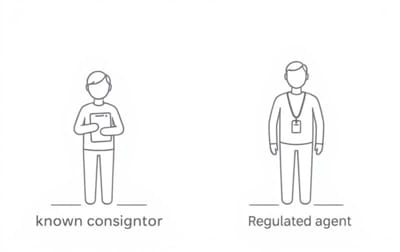
Known Consignor vs Regulated Agent Understanding the Key DifferencesIn the world of air cargo, ensuring the safety and security of goods being transported is critical. With the rising threat of terrorism and other security concerns, strict regulations are in place to prevent the movement of dangerous goods through air transport. Among these regulations, two terms often come up ‘Known Consignor’ and ‘Regulated Agent.’ Although these terms are related to air cargo security, they refer to different entities and responsibilities within the supply chain. This topic will clarify the differences between a Known Consignor and a Regulated Agent, their roles, and how they contribute to air cargo security.
What is a Known Consignor?
A Known Consignor is a company or entity that is authorized to send cargo for air transportation without needing additional security checks by the Regulated Agent. In essence, a Known Consignor is trusted to secure their own goods, providing confidence that the cargo is safe for transport. The entity must meet certain security criteria and undergo a security verification process before being granted Known Consignor status.
Key Features of a Known Consignor
-
Direct Control Known Consignors manage the cargo themselves, ensuring it meets all security regulations before it is handed over to the airline or freight forwarder.
-
Self-Declaration They must declare their compliance with security procedures and maintain a secure facility.
-
Trusted Status These companies are generally trusted because they have undergone thorough security assessments, and they do not require further screening of cargo by a Regulated Agent.
To become a Known Consignor, a company must comply with specific security measures set by regulatory bodies, such as the European Union Aviation Safety Agency (EASA) or the Federal Aviation Administration (FAA). The process includes background checks, audits, and continuous monitoring to maintain the status.
What is a Regulated Agent?
A Regulated Agent is an organization, usually a freight forwarder or an air cargo handler, that acts as an intermediary between the Known Consignor and the airline. They are responsible for receiving and inspecting cargo before it is loaded onto an aircraft. Regulated Agents must comply with strict security standards set by aviation authorities to ensure that goods are secure before being transported.
Key Features of a Regulated Agent
-
Cargo Inspection Regulated Agents have the authority to perform security checks on cargo, such as X-ray scanning or physical inspection, to verify that no dangerous or prohibited items are hidden within.
-
Intermediary Role Unlike Known Consignors, Regulated Agents do not have direct control over the shipment’s origin but are responsible for verifying the security of the cargo.
-
Security Compliance Regulated Agents must adhere to the same security regulations as Known Consignors and may be subject to audits and checks to maintain their status.
Regulated Agents play a crucial role in the air cargo security process by providing an additional layer of protection before goods are shipped to airlines or other transportation providers. They are authorized to receive cargo from Known Consignors, inspect it, and then forward it to the airline or destination.
Key Differences Between Known Consignor and Regulated Agent
While both Known Consignors and Regulated Agents play vital roles in maintaining air cargo security, there are several key differences between them. These differences are crucial to understanding how air cargo is handled and the various security measures in place.
1. Security Responsibility
-
Known Consignor The security responsibility lies with the Known Consignor, as they are expected to ensure that their cargo meets all necessary security standards before being handed over for transport.
-
Regulated Agent The Regulated Agent’s role is to verify and check the cargo’s security upon receipt, ensuring that it meets regulatory standards before the cargo is loaded onto the aircraft.
2. Cargo Inspection
-
Known Consignor Known Consignors are trusted to conduct their own security procedures and are not required to undergo further inspection by a Regulated Agent unless something triggers a need for additional screening.
-
Regulated Agent Regulated Agents are required to perform inspections on cargo received from Known Consignors or other sources. This could include physical screening, X-ray scanning, or other forms of verification.
3. Access to Cargo
-
Known Consignor Known Consignors have direct access to cargo and manage the shipment process themselves. They are responsible for securing the cargo from the point of origin.
-
Regulated Agent Regulated Agents are typically the middlemen, receiving cargo from Known Consignors and other parties, inspecting it, and ensuring it complies with safety standards before forwarding it to airlines.
4. Certification and Regulation
-
Known Consignor Becoming a Known Consignor requires certification from the relevant aviation security authorities and is based on a company’s ability to meet specific security protocols.
-
Regulated Agent Regulated Agents must also be certified but are more focused on the inspection process, ensuring that goods meet aviation security standards before being loaded for transport.
How Known Consignors and Regulated Agents Work Together
In practice, Known Consignors and Regulated Agents often work closely together within the air cargo supply chain. Known Consignors handle the origin and security of the cargo, while Regulated Agents ensure that the goods are secure for air transport before they are handed off to the airline.
This collaboration helps streamline the shipping process while maintaining high levels of security throughout the journey. Both entities must adhere to strict regulations and undergo periodic audits to ensure compliance with international aviation security standards.
The Importance of Both Roles in Air Cargo Security
The security of air cargo is of paramount importance. With rising threats to global aviation, ensuring that goods transported by air are safe from tampering, terrorism, or dangerous substances is critical. The roles of Known Consignors and Regulated Agents are complementary, providing multiple layers of security that enhance the overall safety of air transport.
-
Prevention of Illicit Cargo Together, Known Consignors and Regulated Agents help prevent the shipment of dangerous or illicit goods by ensuring thorough checks and balances throughout the shipping process.
-
Streamlined Process By allowing Known Consignors to manage their own cargo security, while Regulated Agents handle the inspection and verification, air cargo systems can remain efficient while still adhering to stringent security standards.
-
Trust in the Supply Chain With both parties being certified and regulated, stakeholders can trust that the air cargo being transported is secure and complies with all necessary regulations.
while the roles of Known Consignors and Regulated Agents both focus on ensuring air cargo security, they serve different purposes in the shipping process. Known Consignors take responsibility for securing their own shipments, while Regulated Agents provide an additional layer of security by inspecting and verifying cargo before it is loaded onto an aircraft. Together, they form an essential part of the air cargo security framework, helping to prevent the transportation of dangerous goods and ensuring the safety of the global aviation industry. Understanding the distinctions between these two entities is crucial for businesses involved in air cargo transport and for those looking to navigate the complex world of aviation security.