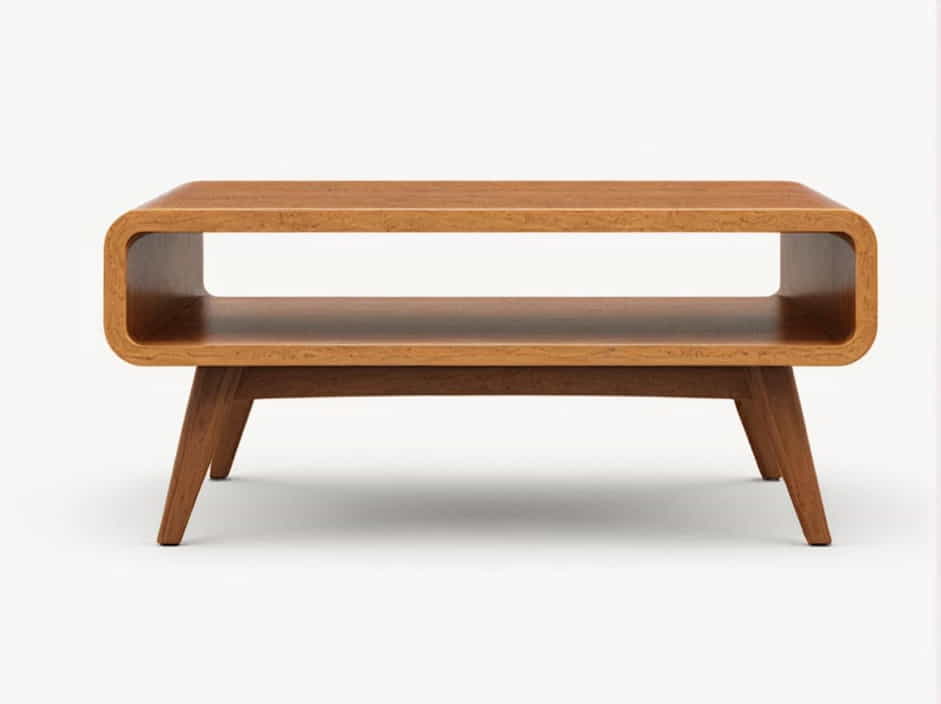
Mid-century modern furniture has seen a resurgence in recent years, and the mid-century modern coffee table is no exception. Known for its sleek lines, minimalist design, and functional form, this style of coffee table has become a staple in homes looking to blend style with practicality. In this topic, we’ll explore what makes a mid-century modern coffee table unique, its history, key features, and why it remains a favorite among interior designers and homeowners alike.
What is a Mid-Century Modern Coffee Table?
A mid-century modern coffee table refers to a type of furniture that was popular in the mid-20th century, roughly from the 1940s to the 1960s. Characterized by its clean lines, organic shapes, and a blend of traditional and modern materials, the mid-century modern coffee table represents a shift away from ornate and overly decorative styles, focusing instead on simplicity, functionality, and beauty.
Mid-century modern coffee tables are often crafted from wood, metal, or a combination of both. They feature minimalistic designs that prioritize form and function, creating a versatile piece that complements a variety of living spaces.
The History of Mid-Century Modern Design
Mid-century modern design emerged in the United States during the post-World War II era. With industrial advancements and a growing desire for simplicity and efficiency, designers sought to create furniture that was not only aesthetically pleasing but also practical and affordable.
The movement was influenced by the Bauhaus school, Scandinavian design, and the advent of new materials like fiberglass, molded plywood, and plastic. Designers like Charles and Ray Eames, George Nelson, and Hans Wegner led the charge in creating furniture that was both functional and beautiful.
This era emphasized a break from traditional designs, favoring clean, geometric shapes and functionality over excessive decoration. The result was a range of furniture pieces, including the iconic mid-century modern coffee table.
Key Features of a Mid-Century Modern Coffee Table
Several distinctive features define mid-century modern coffee tables. These characteristics not only make the tables aesthetically pleasing but also highly functional in contemporary living spaces. Some of the key features of mid-century modern coffee tables include:
1. Sleek, Clean Lines
One of the most defining features of a mid-century modern coffee table is its clean, straight lines. Unlike traditional, ornate furniture, these tables feature geometric shapes such as rectangles, ovals, or circles. There is an emphasis on simplicity, with minimal embellishment. This creates a streamlined and uncluttered look that complements various interior styles.
2. Natural Materials
Mid-century modern furniture often incorporates natural materials such as wood, especially walnut, teak, and oak. These materials bring warmth to the design and are typically left with a natural finish or a light stain to enhance the wood’s grain. The use of these materials makes mid-century modern coffee tables both beautiful and durable, adding a touch of elegance to any room.
3. Functional and Multi-Purpose Design
Mid-century modern coffee tables are designed with functionality in mind. Many feature storage compartments, such as drawers or shelves, to help keep living rooms tidy and organized. The tables are not only beautiful but also practical, with ample space for books, remote controls, and other living room essentials.
4. Minimalist Aesthetic
As mentioned, the minimalist aesthetic is a hallmark of mid-century modern design. Mid-century coffee tables avoid heavy ornamentation and often have simple, understated legs and smooth surfaces. The design is meant to blend seamlessly into any space without overwhelming the room’s decor.
5. Innovative and Unconventional Shapes
While the tables are simple in design, they often incorporate subtle, creative details. For example, many mid-century modern coffee tables feature sculptural legs that are angled or have a distinctive shape, like tapered or hairpin legs. These elements add a modern flair to the table, making it a statement piece in any living room.
Why Choose a Mid-Century Modern Coffee Table?
There are many reasons why homeowners and designers continue to gravitate toward mid-century modern coffee tables. Whether you’re furnishing a new home or redecorating an existing space, this style of table offers a timeless and functional solution for your living room. Here are some reasons why a mid-century modern coffee table may be the perfect choice for your home:
1. Timeless Appeal
One of the most significant reasons people choose mid-century modern coffee tables is their timeless appeal. Despite being designed decades ago, these tables still look fresh and relevant in today’s interiors. The minimalist design ensures that they never go out of style, and their clean lines work well with a variety of decor styles, including modern, contemporary, and even bohemian.
2. Versatility
Mid-century modern furniture is versatile, and this is especially true of coffee tables. The simple yet elegant design of these tables makes them suitable for a range of living spaces, whether in a small apartment or a large house. Additionally, their neutral tones and natural materials allow them to complement various color schemes and design aesthetics.
3. Durability
Many mid-century modern coffee tables are made from high-quality, solid wood, which is known for its durability. When well-maintained, these tables can last for decades, making them a worthwhile investment. Additionally, many mid-century tables are built to stand the test of time, both in terms of style and craftsmanship.
4. Space Efficiency
Mid-century modern coffee tables often feature a low-profile design that does not overpower a room. They provide a functional surface for drinks and decorative items without taking up too much space. The clean lines and often smaller size of these tables make them ideal for compact living areas or smaller apartments.
5. Enhance the Room’s Aesthetic
A mid-century modern coffee table is more than just a functional piece of furniture; it’s also an aesthetic statement. The sleek lines and natural materials bring a sense of sophistication to any room. Whether you’re looking to add a touch of elegance or create a focal point in your living room, a mid-century modern coffee table can enhance the overall look and feel of the space.
Choosing the Right Mid-Century Modern Coffee Table for Your Home
When selecting a mid-century modern coffee table for your home, consider the size, material, and style of the table to ensure it fits your space and aesthetic preferences. Here are some tips for choosing the right table:
1. Size Matters
Make sure to choose a coffee table that fits well within your living room. A table that is too large can overpower the space, while a table that is too small may not serve its purpose. Ideally, a coffee table should be about two-thirds the length of your sofa.
2. Consider the Material
The material of your coffee table plays a crucial role in its look and durability. While wood is the most common material, you can also find mid-century modern tables with glass or metal components. Choose a material that complements your room’s existing decor and matches your personal style.
3. Complement the Room’s Theme
The beauty of mid-century modern furniture is that it can easily fit into various interior styles. Whether your home is contemporary, industrial, or eclectic, a well-chosen mid-century modern coffee table can complement the overall theme of the room.
A mid-century modern coffee table is more than just a piece of furniture – it’s an investment in style, functionality, and timeless design. Whether you are redecorating your living room or furnishing a new space, this type of table offers versatility and elegance that will never go out of style. With its clean lines, natural materials, and minimalist design, the mid-century modern coffee table remains a favorite for homeowners and designers alike. Choose the perfect one for your home and enjoy a functional, stylish, and enduring piece of design history.