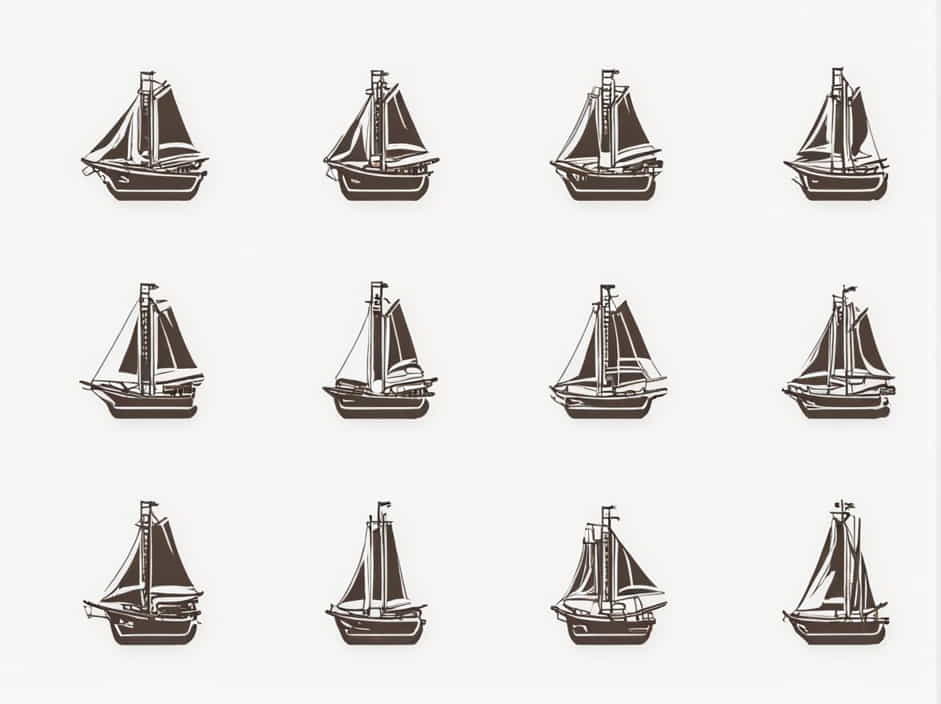
Schooners are a type of sailing vessel that have been popular for centuries due to their speed, maneuverability, and versatility. The design of a schooner typically includes two or more masts, and each of these masts is equipped with various sails. Understanding the names of sails on a schooner is essential for anyone interested in sailing, as it provides insight into how the sails work together to harness the wind and propel the boat forward.
In this topic, we will explore the different sails found on a schooner, explaining their names, functions, and importance in navigation. Whether you’re a seasoned sailor or just starting out, this guide will help you better understand the sails on a schooner and their role in sailing.
What is a Schooner?
Before diving into the details of schooner sails, it’s important to understand the vessel itself. A schooner is a type of sailing ship characterized by two or more masts. The mainmast is typically the tallest, and the other masts (if present) are generally shorter. Schooners were historically used for a variety of purposes, including fishing, cargo transport, and even military operations.
Their sleek design and the ability to sail close to the wind made them particularly effective for navigating narrow or challenging waterways. Today, schooners are still admired for their beauty and are often used for recreational sailing and racing.
The Masts of a Schooner
A schooner’s rigging consists of multiple masts, which support the sails. The exact number of masts can vary depending on the schooner’s design. The typical schooner has two to four masts, and each mast is equipped with a series of sails that work together to control the vessel’s movement.
The primary masts on a schooner are:
-
Mainmast – The tallest and central mast on a schooner.
-
Foremast – Typically shorter than the mainmast, located forward of the mainmast.
-
Mizzenmast – Found on schooners with three masts, it is located aft (toward the back) of the mainmast.
-
Bowsprit – A pole extending forward of the ship’s bow, used to support additional sails.
Each of these masts plays an important role in keeping the vessel balanced and providing sail area for wind capture.
Types of Sails on a Schooner
Schooners are designed to maximize speed and efficiency under different wind conditions. The sails on a schooner are divided into various types, each with a unique name and function. Below are the main types of sails found on a schooner:
1. Mainsail
The mainsail is the largest sail on a schooner and is attached to the mainmast. This sail is the primary source of power for the vessel, and it plays a crucial role in the overall performance of the schooner. The mainsail’s size and position help capture the wind, making it essential for forward movement.
2. Jib
The jib is a smaller triangular sail located at the front of the vessel. It is attached to the forestay, which is a line running from the top of the mast to the bow of the boat. The jib helps balance the sail plan and is crucial for controlling the schooner’s direction.
Jibs can vary in size depending on the type of schooner and the sailing conditions. A larger jib allows the vessel to take advantage of stronger winds, while a smaller jib is more effective in lighter winds.
3. Foresail
The foresail is another sail used on the foremast. While the jib is located forward of the foremast, the foresail is positioned just behind it. It is often used in tandem with the jib to increase the overall sail area, allowing the schooner to harness more wind.
Foresails can come in different sizes, and their primary role is to help propel the boat forward by increasing sail area and improving the vessel’s efficiency in various wind conditions.
4. Mizzen Sail
The mizzen sail is the sail on the mizzenmast, the mast located at the back of the schooner. This sail is typically smaller than the mainsail and is used to stabilize the vessel and help control its direction.
The mizzen sail can be particularly useful when sailing with a following wind, as it helps keep the vessel balanced and prevent it from veering off course. Schooners with a mizzenmast are known for their ability to handle a variety of wind conditions, and the mizzen sail plays a significant role in this versatility.
5. Topsail
The topsail is a sail that is positioned above the mainsail on the mainmast. This sail is used to provide additional power in strong winds. Topsails are often set in conjunction with the mainsail and can be reefed (reduced in size) when the wind is too strong.
For schooners with multiple masts, there may also be topsails on the foremast or mizzenmast. These sails are essential for maintaining speed and power when sailing in more challenging conditions.
6. Staysail
The staysail is a type of sail that is set between two masts, typically forward of the mainmast. It is often used in conjunction with the jib and foresail to increase sail area. The staysail provides extra power when sailing in light to moderate winds and helps the schooner maintain speed and stability.
The Importance of Sail Combinations
The key to effective sailing on a schooner is understanding how the different sails work together. Schooners are designed to be versatile, and the arrangement and combination of sails allow the vessel to adapt to varying wind conditions.
-
In light winds, a schooner may rely heavily on its jib and foresail to provide power.
-
In strong winds, the mainsail and topsail are often used to harness more wind and propel the vessel forward.
-
The mizzen sail helps provide balance and stability, especially when the vessel is turning or sailing with a following wind.
By adjusting the sails based on the wind direction and strength, sailors can control the schooner’s speed, direction, and overall performance.
Understanding the names of sails on a schooner is essential for anyone interested in sailing or learning about classic sailing vessels. The combination of different sails-each with its own name and function-plays a critical role in ensuring the schooner can navigate efficiently and effectively under various wind conditions.
From the powerful mainsail to the stabilizing mizzen sail, each sail works together to create the perfect balance and control for the vessel. By mastering the names and functions of the sails, sailors can harness the wind to propel the schooner with skill and precision, ensuring a successful and enjoyable sailing experience.
Whether you’re a beginner or an experienced sailor, understanding these essential elements of schooner rigging will help you become more knowledgeable and confident when it comes to sailing these beautiful, historic vessels.