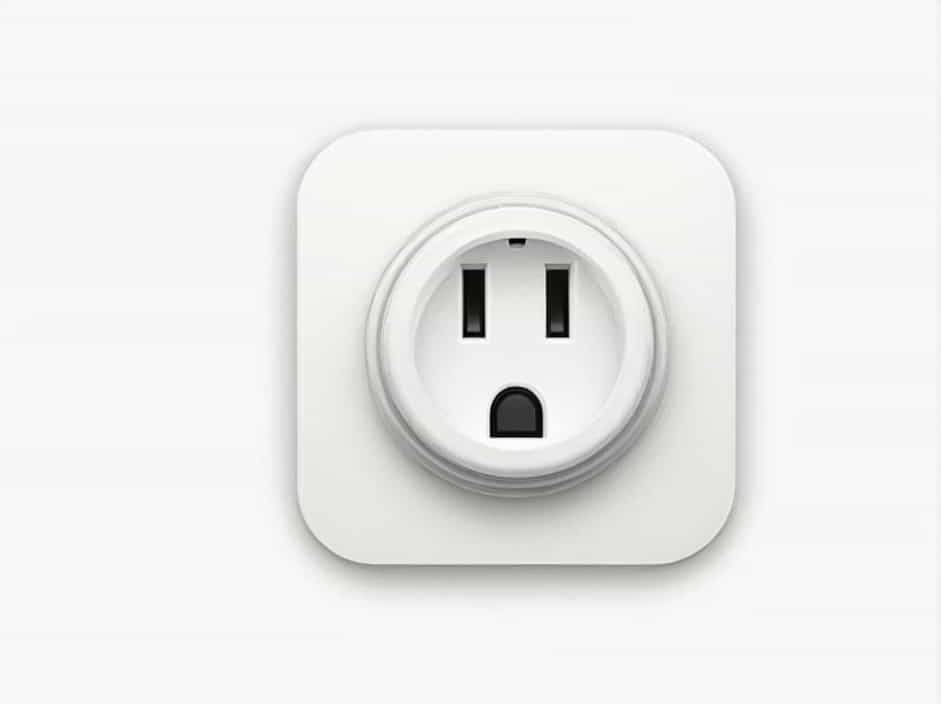
When it comes to electrical outlets for high-powered appliances and electric vehicle (EV) charging, the NEMA 14-50 outlet is one of the most common and reliable choices. Homeowners and professionals often ask, "What is the NEMA 14-50 outlet amperage?" Knowing the amperage rating is essential to ensure safe and efficient power delivery. In this topic, we will break down the amperage, specifications, uses, installation considerations, and safety tips surrounding the NEMA 14-50 outlet.
What is a NEMA 14-50 Outlet?
Definition and Purpose
A NEMA 14-50 outlet is a heavy-duty, 240-volt electrical receptacle designed to deliver large amounts of power. It features four prongs: two hots, one neutral, and one ground. This configuration allows it to handle significant electrical loads safely.
Common Uses
-
Electric vehicle (EV) charging stations
-
Electric ranges and ovens
-
RV power hookups
-
Welders and heavy machinery
NEMA 14-50 Outlet Amperage
Standard Amperage
The standard NEMA 14-50 outlet amperage is 50 amps. This makes it a powerful choice for equipment that needs substantial electricity.
Voltage and Wattage
-
Voltage: 240 volts
-
Amperage: 50 amps
-
Maximum wattage capacity: 12,000 watts (240 volts x 50 amps)
This large wattage capacity explains why the NEMA 14-50 outlet is frequently used in EV charging and kitchen appliances that require robust power delivery.
Why Does Amperage Matter?
Safety First
The amperage rating of a NEMA 14-50 outlet ensures that the circuit can handle heavy electrical loads without overheating or causing a fire hazard. Using an outlet with insufficient amperage can result in damage to appliances or dangerous electrical issues.
Efficiency and Longevity
When appliances receive the correct amperage, they operate more efficiently and last longer. Overloading a circuit can shorten the lifespan of both your devices and the wiring.
Typical Applications for NEMA 14-50 Outlets
1. EV Charging
Many electric vehicle chargers use a NEMA 14-50 outlet because of its 50-amp capacity. This allows for faster Level 2 charging at home. Some popular EV models, like Tesla, Ford Mustang Mach-E, and Nissan Leaf, can utilize this outlet for convenient home charging.
2. Kitchen Appliances
Large appliances, such as electric ranges and ovens, often require a NEMA 14-50 outlet. The 50-amp rating ensures the oven can draw enough power for high-heat cooking without risk.
3. Recreational Vehicles (RV)
RV enthusiasts frequently use NEMA 14-50 outlets for shore power connections. The high amperage allows for running air conditioners, microwaves, and other electrical devices in an RV simultaneously.
4. Industrial Use
Heavy-duty welders, compressors, and shop equipment often require a NEMA 14-50 outlet to function correctly due to their large power draw.
Wiring and Installation Considerations
Wire Size Requirements
For a 50-amp NEMA 14-50 outlet, the recommended wire size is typically 6-gauge copper or 4-gauge aluminum. Using the correct wire size is critical to handle the high electrical load safely.
Circuit Breaker
The outlet must be installed on a dedicated 50-amp circuit breaker. This ensures that the breaker will trip if the load exceeds safe limits, protecting your home and devices.
Professional Installation
Though DIY enthusiasts may attempt to install a NEMA 14-50 outlet themselves, it’s recommended to hire a licensed electrician. Proper installation ensures compliance with electrical codes and prevents costly mistakes.
Can You Use a NEMA 14-50 Outlet for Lower Amperage Devices?
Compatibility with Lower Loads
Yes, you can plug devices that require lower amperage into a NEMA 14-50 outlet if they are compatible and use appropriate adapters. However, the device will only draw the amperage it needs.
Safety Precautions
It’s crucial never to exceed the 50-amp rating. Also, make sure that the breaker and wiring are matched to the outlet’s capacity to avoid circuit overloads.
NEMA 14-50 for EV Charging: Key Points
Charging Speed
A 50-amp NEMA 14-50 outlet can deliver around 40 amps of continuous charging current, following the National Electrical Code guideline of using 80% of the outlet’s rated capacity for continuous loads.
Installation Near Driveways
If you are installing a NEMA 14-50 outlet for EV charging, place it near your driveway or garage. The cord length for EV chargers is often limited, and the outlet should be easily accessible without extension cords.
Difference Between NEMA 14-50 and Other Outlets
NEMA 14-30 vs. NEMA 14-50
-
NEMA 14-30 outlets are rated for 30 amps and are typically used for dryers.
-
NEMA 14-50 outlets are rated for 50 amps and support larger loads like ranges and EV chargers.
NEMA 6-50 vs. NEMA 14-50
-
NEMA 6-50 is also a 50-amp outlet but has three prongs (two hot and one ground), lacking the neutral line. It is commonly used for welders.
-
NEMA 14-50 has four prongs, making it more versatile and safer for appliances requiring a neutral.
Cost of Installing a NEMA 14-50 Outlet
Typical Price Range
The cost to install a NEMA 14-50 outlet varies depending on distance from the breaker panel and complexity. On average, you can expect to pay between $300 and $800 for professional installation.
Factors That Affect Pricing
-
Length of wiring needed
-
Accessibility of installation location
-
Local electrician rates
-
Permit and inspection fees
Maintenance and Safety Tips
Regular Inspection
Periodically check your NEMA 14-50 outlet for signs of wear, overheating, or loose connections. A burnt smell or discoloration can indicate problems.
Keep the Outlet Dry
Avoid water exposure by installing the outlet in a sheltered location, especially outdoors or in garages.
Do Not Overload
Even though the outlet supports 50 amps, only use it with devices that are rated for this capacity or lower. Overloading can damage the circuit and create fire hazards.
Understanding NEMA 14-50 outlet amperage is key for homeowners and professionals who need reliable, high-capacity power. With a 50-amp rating, this outlet is perfect for heavy appliances, EV charging, RV power, and industrial equipment. Correct installation with appropriate wiring and a dedicated breaker ensures both safety and performance.
Whether you are installing it for your electric car, kitchen appliances, or an RV hookup, knowing the amperage and requirements of a NEMA 14-50 outlet will help you make informed decisions and avoid electrical issues. Regular maintenance, professional installation, and following safety precautions will keep your electrical system running efficiently for years to come.