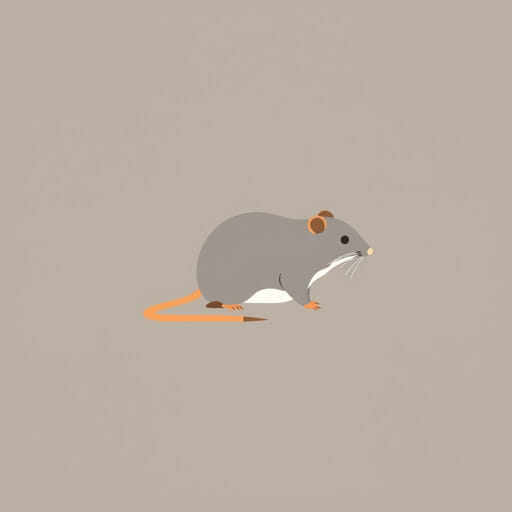
Northern Short-Tailed Shrew Diet What Does This Small Mammal Eat?The Northern Short-Tailed Shrew (Blarina brevicauda) is a fascinating mammal that plays an important role in many North American ecosystems. Though it may be small in size, this shrew is known for its voracious appetite and its role as a predator in its habitat. Understanding the diet of the Northern Short-Tailed Shrew can provide valuable insights into its behavior, ecology, and its place in the food chain. In this topic, we will explore the types of food this small mammal consumes, how it hunts, and how its diet contributes to the balance of its ecosystem.
The Feeding Habits of the Northern Short-Tailed Shrew
Unlike many other small mammals, the Northern Short-Tailed Shrew has a high metabolic rate. This means that it requires a large amount of food to sustain its energy levels. To meet its dietary needs, the shrew is constantly foraging and hunting. Unlike other species that may rely primarily on vegetation, the Northern Short-Tailed Shrew is primarily carnivorous, feeding on a variety of small animals and invertebrates.
1. Insects and Invertebrates
The primary food source for the Northern Short-Tailed Shrew consists of insects and other invertebrates. This includes beetles, ants, spiders, and various other arthropods found in the leaf litter and soil. Shrews are particularly skilled at hunting for insects underground, using their sensitive noses to locate prey. They use their sharp teeth to capture and kill their food quickly, which is essential given their rapid metabolism.
The shrew’s diet is not limited to land-based insects. They are also known to feed on earthworms, which they find by burrowing into the soil. Earthworms provide a rich source of protein and are particularly important during the colder months when insects may be less abundant.
2. Small Vertebrates
Although insects and invertebrates make up the majority of its diet, the Northern Short-Tailed Shrew will also occasionally hunt small vertebrates. This may include small mammals, amphibians, and even young birds. This aspect of its diet is less common but still an important source of nutrition, particularly when other food sources are scarce.
The shrew is a highly efficient predator, capable of capturing prey that is larger than itself. For example, it may hunt small rodents, such as voles, which it overpowers using its sharp teeth and strong jaws. While it is not a typical predator of larger animals, the occasional consumption of small vertebrates adds variety to the shrew’s diet.
How the Northern Short-Tailed Shrew Hunts for Food
The Northern Short-Tailed Shrew has evolved several unique characteristics that make it a skilled hunter. One of the most notable features of the shrew is its sharp, pointed teeth, which it uses to catch and kill prey. The shrew has a keen sense of smell, which it uses to locate food, even when it is buried beneath the soil or hidden in dense vegetation. This is especially important in environments like forests or wetlands, where food can often be concealed.
Shrews are also known for their burrowing behavior. They create complex tunnels under the ground where they hunt for insects and other small animals. These tunnels also provide the shrew with a safe place to retreat to when it needs to rest or avoid predators. In some cases, the shrew may store food in these tunnels, which allows it to have a food reserve during periods of scarcity.
The Role of the Northern Short-Tailed Shrew in the Ecosystem
The diet of the Northern Short-Tailed Shrew plays a crucial role in maintaining the balance of the ecosystems it inhabits. As a predator, the shrew helps control populations of insects, small mammals, and other invertebrates. Without predators like the shrew, these populations could grow unchecked, leading to overgrazing and other ecological imbalances.
In addition to controlling insect populations, the Northern Short-Tailed Shrew serves as a food source for larger predators. Birds of prey, such as hawks and owls, as well as mammals like foxes and coyotes, rely on the shrew for sustenance. In this way, the shrew contributes to the food web, supporting a variety of other species.
Seasonal Variations in Diet
Like many animals, the Northern Short-Tailed Shrew’s diet can change depending on the season. In the warmer months, when insects are more abundant, the shrew’s diet consists mostly of insects, spiders, and other invertebrates. These are easier to catch and provide the necessary energy for the shrew to stay active.
As the weather cools and insects become less abundant, the Northern Short-Tailed Shrew may shift its focus to earthworms and small vertebrates. These food sources provide a more reliable source of nutrition during the colder months when insects are harder to find. The shrew’s ability to adapt its diet based on the availability of food is one of the reasons why it is so successful in a variety of habitats.
How Much Does the Northern Short-Tailed Shrew Eat?
Due to its high metabolic rate, the Northern Short-Tailed Shrew must eat a large amount of food each day to sustain its energy levels. In fact, it is estimated that the shrew may consume up to its own body weight in food every 24 hours. This makes it one of the most voracious eaters among small mammals.
Despite its small size, the shrew needs to consume food almost constantly throughout the day. This is due to its high energy demands and the fact that its small size makes it highly susceptible to losing body heat. Eating regularly helps the shrew maintain its body temperature and energy levels, ensuring its survival in a competitive and dynamic environment.
The Shrew’s Unique Adaptations for Eating
The Northern Short-Tailed Shrew has several adaptations that make it well-suited for its diet. Its sharp teeth are ideal for catching and consuming small prey, while its high metabolic rate ensures that it is constantly on the move in search of food. The shrew’s keen sense of smell also allows it to detect food underground, making it an efficient forager.
Additionally, the shrew has a thick coat of fur that helps protect it from the elements and keeps it warm while it hunts for food. The fur also provides camouflage, allowing the shrew to blend into its environment and avoid being detected by predators.
The Northern Short-Tailed Shrew is a small but highly effective predator that plays a vital role in its ecosystem. Its diet consists mainly of insects, invertebrates, and small vertebrates, and it uses its sharp teeth and keen sense of smell to hunt and capture its prey. With its high metabolic rate and voracious appetite, the shrew must consume large quantities of food each day to survive.
The Northern Short-Tailed Shrew’s role in controlling insect populations and serving as prey for larger predators highlights its importance in maintaining ecological balance. By understanding its diet and feeding habits, we gain a deeper appreciation for the complexity of the ecosystems in which it lives and the vital role it plays in supporting biodiversity.