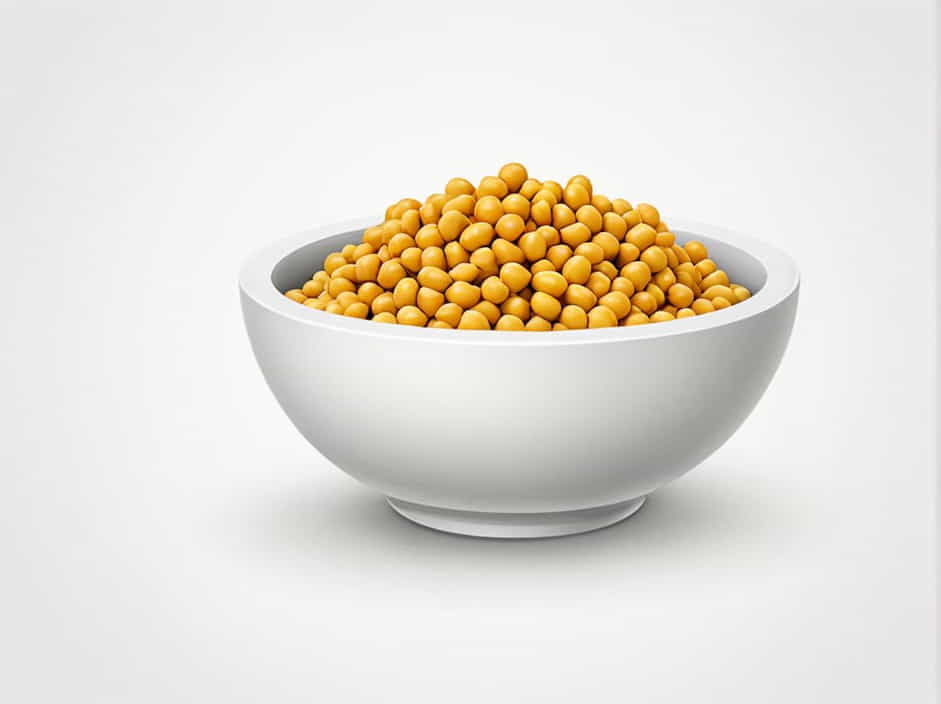
Garbanzo beans, also known as chickpeas, are one of the most versatile and nutritious legumes enjoyed around the world. These small, round beans are rich in essential nutrients and have been a key part of traditional diets in the Mediterranean, Middle Eastern, and Indian cuisines for centuries. In this topic, we’ll explore the nutritional value of garbanzo beans cooked, highlighting their health benefits, key nutrients, and why they should be part of a balanced diet.
What Are Garbanzo Beans?
Garbanzo beans are legumes that come in various varieties, most commonly beige-colored. When cooked, they have a soft, buttery texture and a slightly nutty flavor. They are frequently used in salads, soups, stews, curries, and dips such as hummus.
Nutritional Value of Garbanzo Beans Cooked Per 100g
Understanding the nutritional content of cooked garbanzo beans per 100g is essential to see how beneficial they are for health.
Calories
Cooked garbanzo beans provide a good source of energy:
- 164 calories per 100g
Protein
Protein is a key nutrient for muscle repair and growth, and garbanzo beans are a great plant-based source:
- 8.9 grams of protein per 100g
This makes them ideal for vegetarians, vegans, and anyone looking to increase their protein intake from natural sources.
Carbohydrates
Garbanzo beans are rich in complex carbohydrates that release energy slowly and steadily:
- 27.4 grams of carbohydrates per 100g
These carbs help fuel the body throughout the day without causing rapid spikes in blood sugar.
Fiber
Fiber is essential for digestive health, and garbanzo beans are loaded with it:
- 7.6 grams of fiber per 100g
High fiber content promotes satiety, supports regular bowel movements, and helps regulate blood sugar levels.
Fat
Cooked garbanzo beans are low in fat but contain heart-healthy unsaturated fats:
- 2.6 grams of total fat per 100g
These healthy fats support brain function and cardiovascular health.
Key Vitamins in Cooked Garbanzo Beans
Folate (Vitamin B9)
Folate is critical for DNA synthesis and healthy cell function:
- 172 micrograms of folate per 100g
This covers nearly 43% of the recommended daily intake, making garbanzo beans an excellent source for pregnant women and those needing higher folate levels.
Vitamin B6
Vitamin B6 supports metabolism and nervous system health:
- 0.14 milligrams of vitamin B6 per 100g
Vitamin A and Vitamin C
While garbanzo beans are not significant sources of vitamin A or vitamin C, they contain small amounts that contribute to overall vitamin intake.
Important Minerals in Garbanzo Beans
Iron
Iron is essential for red blood cell formation and transporting oxygen throughout the body:
- 2.9 milligrams of iron per 100g
This makes garbanzo beans beneficial for individuals at risk of anemia.
Magnesium
Magnesium plays a role in muscle function and bone health:
- 48 milligrams of magnesium per 100g
Potassium
Potassium helps maintain fluid balance and supports heart health:
- 291 milligrams of potassium per 100g
Calcium
Calcium is vital for strong bones and teeth:
- 49 milligrams of calcium per 100g
Phosphorus
Phosphorus is important for energy production and bone strength:
- 168 milligrams of phosphorus per 100g
Zinc
Zinc is necessary for immune health and wound healing:
- 1.53 milligrams of zinc per 100g
Health Benefits of Eating Cooked Garbanzo Beans
1. Supports Digestive Health
With 7.6 grams of fiber per 100g, cooked garbanzo beans help promote healthy digestion and prevent constipation. Fiber also feeds good gut bacteria, supporting a healthy gut microbiome.
2. Helps Control Blood Sugar
Garbanzo beans have a low glycemic index, meaning they are digested slowly and help regulate blood sugar levels. The combination of fiber and complex carbs prevents sugar spikes and keeps energy levels stable.
3. Aids in Weight Management
Because they are high in protein and fiber, garbanzo beans help promote satiety and reduce hunger. This makes them an excellent addition to weight loss or weight maintenance diets.
4. Promotes Heart Health
Garbanzo beans contain potassium, magnesium, and healthy fats, all of which help lower blood pressure and support heart health. The soluble fiber in garbanzo beans can also help lower LDL cholesterol levels.
5. Strengthens Bones
Calcium, phosphorus, and magnesium present in cooked garbanzo beans help maintain strong bones and reduce the risk of osteoporosis.
6. Supports Muscle Growth
The protein content in garbanzo beans is ideal for muscle repair and growth, making them a perfect food choice for athletes, fitness enthusiasts, and anyone looking to boost their protein intake naturally.
7. Helps Prevent Anemia
The iron content in garbanzo beans supports the production of red blood cells and helps prevent anemia, particularly in individuals following vegetarian and vegan diets.
8. Boosts Brain Function
Folate and vitamin B6 in garbanzo beans play essential roles in brain function and mood regulation, supporting cognitive health and mental well-being.
How to Add Garbanzo Beans to Your Diet
Add to Salads
Toss cooked garbanzo beans into salads for added protein, fiber, and a satisfying texture.
Make Hummus
Blend cooked garbanzo beans with olive oil, garlic, lemon juice, and tahini to make a smooth, creamy dip that’s healthy and delicious.
Include in Soups and Stews
Garbanzo beans hold their shape well and add heartiness to soups, stews, and curries.
Roast for a Crunchy Snack
Roast garbanzo beans with olive oil and spices in the oven for a crunchy, satisfying, and healthy snack.
Use in Sandwiches and Wraps
Mashed garbanzo beans can be used as a base for sandwiches and wraps, paired with fresh vegetables and herbs.
Try Chickpea Flour
Garbanzo beans can also be ground into flour and used to make gluten-free flatbreads, pancakes, or baking recipes.
Cooking Tips for Garbanzo Beans
-
If using dried garbanzo beans, soak them overnight and cook until tender, which usually takes 60 to 90 minutes.
-
Canned garbanzo beans are convenient and can be used immediately after rinsing.
-
Add flavor by cooking them in vegetable broth or adding garlic, bay leaves, or herbs to the cooking water.
Precautions and Things to Consider
Garbanzo beans contain oligosaccharides, which can cause gas or bloating in some individuals. Soaking, rinsing, and thoroughly cooking the beans can reduce these side effects. Those with legume allergies should consult with a healthcare provider before consuming garbanzo beans.
The nutritional value of garbanzo beans cooked per 100g is impressive, offering 164 calories, 8.9 grams of protein, 7.6 grams of fiber, and a host of essential vitamins and minerals. From supporting digestion and heart health to aiding in muscle growth and weight management, garbanzo beans are a powerhouse of nutrients that can benefit everyone.
They are easy to prepare, delicious in a wide variety of dishes, and perfect for vegetarian and vegan diets. Whether enjoyed in salads, soups, hummus, or snacks, garbanzo beans are a versatile food that can support overall health and well-being. Adding garbanzo beans to your diet is a simple, flavorful way to boost nutrition and enjoy a range of health benefits.