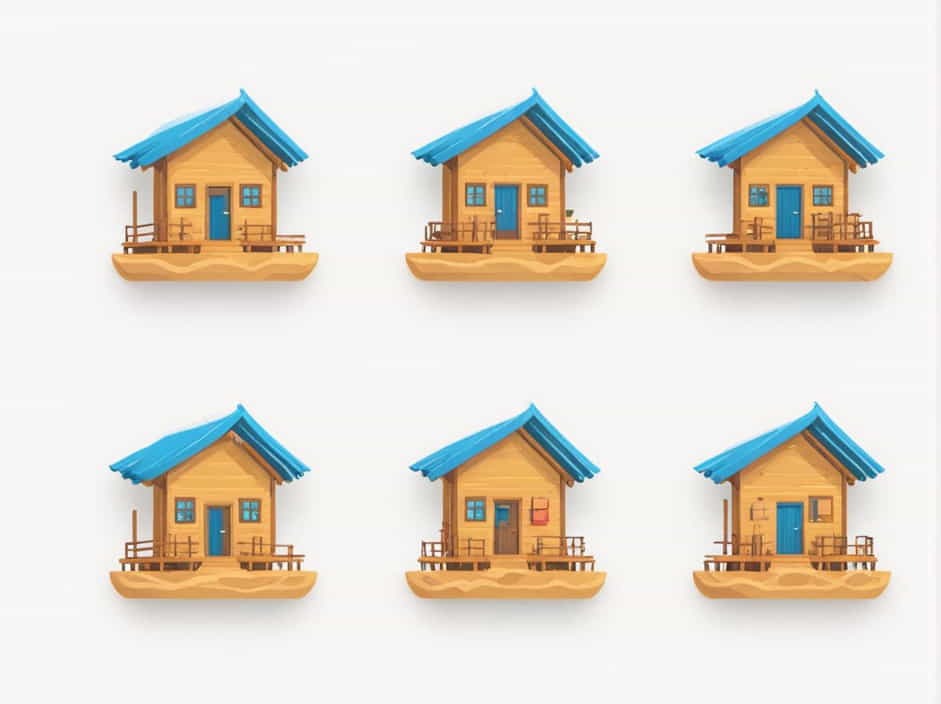
The Nzulezu stilt settlement is built on water, making it one of the most fascinating and unique communities in the world. Located in the Western Region of Ghana, Nzulezu is a village constructed entirely on stilts above Lake Tadane. The name ‘Nzulezu’ itself means ‘surface of water’ in the local Nzema language. This village is a perfect example of human adaptability, where people have created a home on water, living in harmony with nature.
In this topic, we will explore what the Nzulezu stilt settlement is built on, its history, culture, daily life, tourism potential, and environmental importance.
Location of Nzulezu
The Nzulezu stilt settlement is located in the Jomoro District of the Western Region of Ghana. The village sits on Lake Tadane, near the town of Beyin, and is about 90 kilometers west of Takoradi. To reach the village, visitors must take a canoe trip through lush mangrove swamps, which adds to the magical experience of arriving at this floating village.
What is Nzulezu Stilt Settlement Built On?
The Nzulezu village is built on wooden stilts driven deep into the bed of Lake Tadane. All structures, including homes, walkways, and meeting places, are constructed above water using strong, durable wood and bamboo. The community is connected by narrow wooden walkways, and boats serve as the primary means of transport.
The decision to build on water was both cultural and practical. The lake provides safety, isolation from enemies, and a natural resource for fishing and daily living.
History of Nzulezu
The history of Nzulezu dates back several hundred years. According to oral tradition, the ancestors of the Nzulezu people came from the ancient city of Walata in present-day Mali. They fled due to conflict and, guided by spiritual directions, settled on the lake. The water was considered sacred and a place of safety. The community has preserved this history through generations, maintaining a strong connection to their ancestors and spiritual beliefs.
Daily Life in Nzulezu
Living in the Nzulezu stilt settlement is a unique experience. Daily activities revolve around the water.
Transportation
People use canoes to move from one part of the village to another and to travel to nearby towns for trade, school, and supplies.
Occupation
Fishing is the main occupation, along with farming on nearby lands and small-scale trading. Women often sell smoked fish and local produce, contributing significantly to the household economy.
Community Life
The community is tightly knit, with shared values of cooperation and mutual support. There is a school, a church, and meeting spaces all built on stilts. Celebrations and gatherings are conducted on floating platforms or large communal spaces.
Tourism in Nzulezu
The uniqueness of the Nzulezu stilt settlement built on water has attracted many visitors from around the world. It has been designated a UNESCO World Heritage Site due to its cultural and historical importance.
Attractions for Tourists
-
The canoe ride through the mangrove forests is a memorable experience.
-
Tourists can walk on the wooden platforms, visit homes, and learn about the community’s traditions.
-
Local guides share fascinating stories about the history and spiritual beliefs of the people.
-
Visitors can witness how a community thrives peacefully above water.
Community Benefits
Tourism has brought some income to the community, helping to fund development projects and education for children. However, tourism is managed carefully to preserve the village’s unique environment.
Environmental Significance
Building on water means living in harmony with nature. The Nzulezu stilt settlement demonstrates how humans can adapt without harming the environment.
Protection of Mangroves
The surrounding mangrove forests are vital ecosystems that protect the lake from erosion and provide breeding grounds for fish. The community works to protect these mangroves, understanding their role in sustaining the lake and their livelihood.
Water Management
Residents use the lake responsibly, maintaining cleanliness and avoiding pollution. Boats are used carefully, and waste management is taught from an early age to ensure that the water remains fresh and usable.
Challenges Faced by Nzulezu
While the village is beautiful and unique, living on water comes with challenges.
Flooding
Heavy rainfall can raise water levels, threatening homes and walkways. The community must frequently reinforce stilts and structures to withstand changing conditions.
Access to Services
Healthcare and advanced education facilities are located on the mainland. This means residents often have to travel by canoe for essential services, sometimes in difficult weather conditions.
Preservation vs. Modernization
There is ongoing debate about how much modernization should be introduced without damaging the traditional way of life. While development is needed, the community wants to maintain the beauty and culture of their water-based village.
Cultural Beliefs and Traditions
The people of Nzulezu hold the lake in high spiritual regard. It is believed that the lake is a protective force, and offerings are made during festivals. Certain days are considered sacred, during which activities like fishing are forbidden. This respect for the lake has helped in preserving the environment for generations.
Festivals
Annual festivals celebrate the community’s history and connection to water. Drumming, dancing, and canoe races are part of these events, drawing visitors and strengthening social bonds.
The Future of Nzulezu
The Ghanaian government, along with international bodies, recognizes the importance of Nzulezu. Efforts are being made to:
-
Improve infrastructure without harming the ecosystem.
-
Provide access to healthcare and education through floating facilities or improved transport.
-
Promote responsible tourism to ensure that visitors do not negatively impact the community.
The future looks bright for Nzulezu, provided that the balance between tradition, development, and environmental protection is maintained.
Why Nzulezu is Special
-
It showcases human resilience and creativity by building a life on water.
-
The village reflects a unique culture that respects and protects its natural surroundings.
-
It offers a rare opportunity for visitors to see a living, breathing community on water.
-
It stands as a symbol of peaceful coexistence between humans and nature.
The Nzulezu stilt settlement is built on Lake Tadane in Ghana’s Western Region. It is a marvel of human ingenuity, cultural heritage, and environmental harmony. The wooden structures standing on stilts over water represent not just homes, but a way of life that has been preserved for centuries. From fishing and canoe transportation to festivals and spiritual traditions, every aspect of life here revolves around the water.
Nzulezu is more than just a village; it is a living testimony to adaptation, respect for nature, and cultural preservation. For those who seek to understand how people can thrive in the most unexpected environments, Nzulezu stands as a remarkable example.