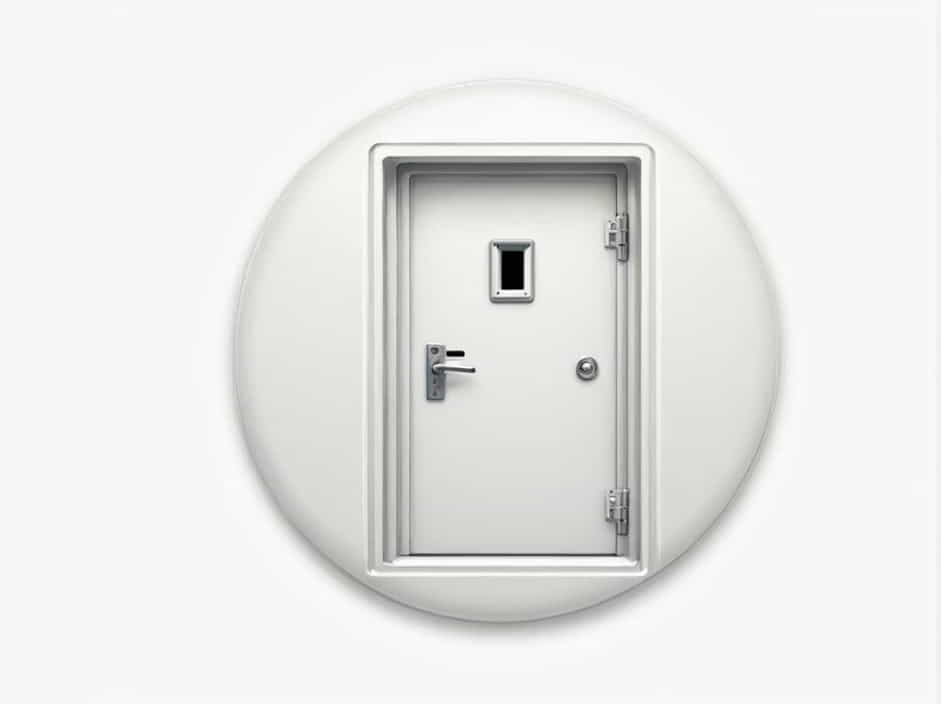
Watertight doors are critical safety features on ships that serve an important role in preventing the spread of water throughout the vessel in case of damage. These doors are designed to seal off different sections of a ship to contain flooding and maintain the ship’s buoyancy and stability. In this topic, we will explore the purpose of watertight doors, their importance, how they function, and why they are essential for maritime safety.
What Are Watertight Doors?
Watertight doors are heavy-duty doors fitted with a seal that can prevent water from passing through. These doors are typically made from steel or other durable materials, designed to withstand the pressure of water and remain functional even under challenging conditions. The main goal of watertight doors is to restrict the flow of water between different compartments of a ship, which is crucial for maintaining the vessel’s integrity and overall safety.
Watertight doors are usually found in bulkheads, which are internal partitions that divide the ship into different sections. These doors can be operated manually or electronically and are generally built to close quickly and efficiently in emergencies, such as flooding due to hull damage.
Why Are Watertight Doors Important?
1. Preventing Flooding
The primary purpose of watertight doors is to prevent flooding in case the ship’s hull is damaged. Ships can encounter various challenges, such as rough seas, collisions, or even accidents while docking. When damage occurs, water can begin to flood certain parts of the ship, posing a risk to the vessel’s overall stability. Watertight doors effectively contain the water within the affected compartment, preventing it from spreading to other areas of the ship and causing further damage.
2. Maintaining Ship Stability
When water enters a ship, it affects its balance and can lead to listing or capsizing. By containing water in a specific compartment, watertight doors help maintain the vessel’s stability and prevent catastrophic consequences. This containment system is critical to ensure that the ship remains afloat and continues to function, even when damage occurs.
3. Protecting the Crew and Passengers
For passenger ships and those carrying crew members, watertight doors serve as an essential safety feature. In the event of a breach in the hull, watertight doors allow crew members to seal off dangerous areas of the ship, providing them with time to evacuate or manage the situation. In large ships, these doors help ensure that passengers and crew remain safe, reducing the risk of flooding and potential loss of life.
4. Ensuring Compliance with Maritime Safety Regulations
International maritime regulations, such as those set by the International Maritime Organization (IMO), require vessels to be equipped with watertight doors. These regulations ensure that ships adhere to safety standards designed to protect human life, cargo, and the environment. Watertight doors are an essential part of these regulations, ensuring that vessels are properly equipped to handle emergency situations.
How Do Watertight Doors Work?
Watertight doors are designed to function under extreme conditions, preventing water from passing through bulkheads and affecting other parts of the ship. Here’s how they work:
1. Sealing Mechanism
The core function of a watertight door is to seal off areas of the ship from water. The door is equipped with a heavy-duty gasket or seal, which fits tightly into the doorframe when the door is closed. This seal prevents water from passing through the door, even under high pressure. The door may be fitted with a locking mechanism that keeps it securely closed during rough seas or emergencies.
2. Manual or Automatic Operation
Watertight doors can be either manually operated or automatically controlled. Manual doors typically require crew members to operate them during an emergency or while navigating through specific areas of the ship. These doors may be operated by a wheel, lever, or handle.
Automatic watertight doors, on the other hand, can be controlled remotely and are typically activated by an alarm or sensor indicating flooding. These doors automatically close when the ship detects water or damage to specific compartments. Automatic doors help reduce response time and improve efficiency in emergency situations.
3. Pressure Resistance
Watertight doors are built to withstand significant water pressure. They are designed to stay sealed even when the ship encounters rough seas or experiences hull damage. The material used in the door construction is critical for its durability and resistance to corrosion. Common materials for watertight doors include steel, which provides strength, durability, and resistance to water damage.
4. Compartmentalization
Watertight doors are located in bulkheads that divide the ship into compartments. These compartments are known as "watertight subdivisions," and each one is sealed by watertight doors. This compartmentalization is essential in reducing the extent of damage to the vessel in case of a hull breach. The smaller the area affected by flooding, the less likely it is that the ship will sink or capsize.
Types of Watertight Doors
There are different types of watertight doors, each suited to different sections and purposes on a ship. Here are some common types:
1. Manual Watertight Doors
These doors are operated by crew members using a wheel, handle, or lever. Manual watertight doors are typically found in areas where immediate access or closing is not critical. They are simple in design but highly effective in preventing the spread of water when properly sealed.
2. Automatic Watertight Doors
Automatic watertight doors are controlled remotely, often by sensors or alarms. These doors are typically used in high-risk areas, such as engine rooms or areas near the hull, where quick response times are necessary. Automatic doors are faster and more efficient in an emergency situation, as they can close immediately when water is detected.
3. Sliding Watertight Doors
Sliding watertight doors are often used in spaces where traditional hinged doors may not be practical. These doors slide open and closed along a track, providing a space-efficient design while maintaining water-tightness. Sliding doors are commonly used in larger ships and are available in both manual and automatic variations.
4. Hinged Watertight Doors
Hinged watertight doors are the most common type of door found on ships. These doors swing open and closed using a hinge mechanism and are typically manually operated. Hinged doors are easy to use and maintain and are often found in less critical areas of the ship.
Maintenance of Watertight Doors
Proper maintenance of watertight doors is essential to ensure that they function effectively in an emergency. Regular inspection and servicing should be performed to check the seals, hinges, locks, and control mechanisms. Any damage or wear should be addressed immediately to maintain the integrity of the ship’s flood prevention system.
1. Regular Inspections
Crew members should regularly inspect watertight doors to ensure that the seals are intact and the doors are functioning correctly. Inspections should include checking for rust, corrosion, or damage to the door structure.
2. Lubrication
Hinges, locks, and other moving parts of the watertight doors should be lubricated regularly to ensure smooth operation. Proper lubrication also helps to extend the lifespan of the doors and prevent mechanical failure.
3. Testing of Automatic Systems
For ships with automatic watertight doors, regular testing of the control systems, sensors, and alarms is crucial. This ensures that the doors will close immediately if flooding occurs.
Watertight doors are a vital component of any ship’s safety systems, designed to prevent the spread of water, maintain stability, and protect passengers and crew members. These doors help compartmentalize the ship, ensuring that damage from flooding is contained and reducing the risk of sinking. Regular maintenance and proper operation of watertight doors are essential to ensuring that they perform effectively in emergency situations. Ultimately, watertight doors play a critical role in maintaining maritime safety and safeguarding vessels against potential disasters.