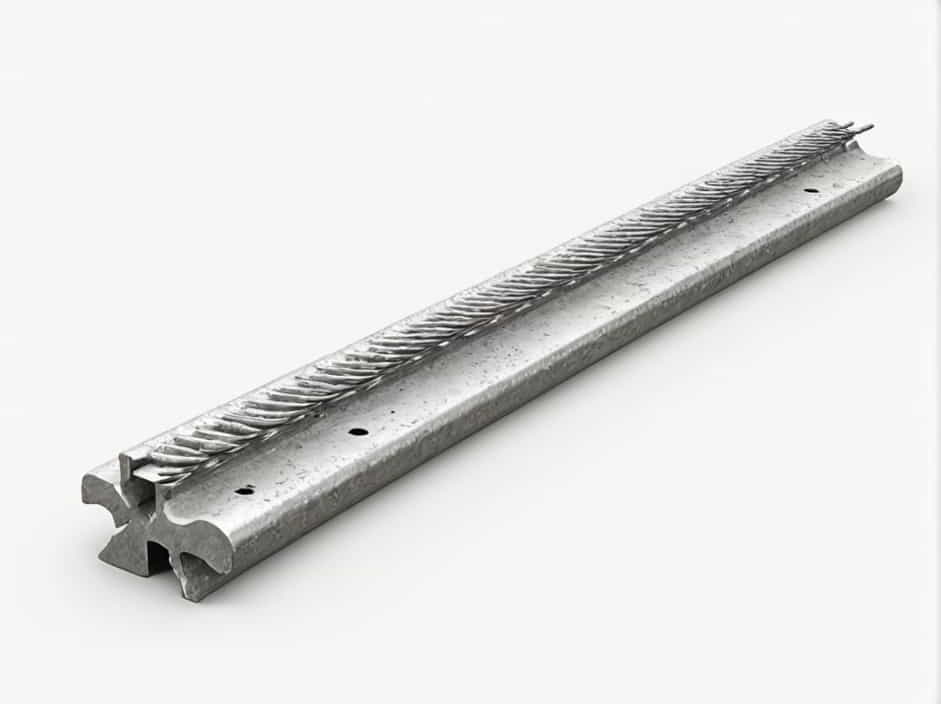
Reinforced concrete slabs rely on rebar (reinforcing steel bars) to improve strength, durability, and resistance to cracking. If you’re working with a 4-inch concrete slab, proper rebar spacing is crucial to ensuring structural integrity and long-term performance. This guide covers the best rebar spacing for different applications, installation techniques, and expert recommendations for optimal results.
Why Does Rebar Spacing Matter?
The correct spacing of rebar in a 4-inch concrete slab directly affects the slab’s ability to handle loads, resist cracks, and maintain stability over time. Improper spacing can lead to structural weaknesses, premature cracking, and costly repairs.
Key reasons why rebar spacing is important:
- Distributes weight evenly, preventing localized stress points.
- Minimizes cracking caused by shrinkage and expansion.
- Enhances tensile strength, reducing the risk of structural failure.
- Improves load-bearing capacity, making the slab more durable.
Recommended Rebar Spacing for a 4-Inch Slab
The ideal rebar spacing for a 4-inch slab depends on its intended use and load-bearing requirements. Below are the general guidelines:
1. Residential Driveways and Walkways
- Rebar size: #3 (⅜-inch diameter)
- Spacing: 18 inches apart (center to center)
- Placement: Near the center or slightly above the midpoint of the slab
2. Garage Floors and Light Commercial Slabs
- Rebar size: #3 or #4 (½-inch diameter)
- Spacing: 12 to 16 inches apart
- Placement: Slightly above the midpoint for improved tensile strength
3. Patios and Sidewalks
- Rebar size: #3
- Spacing: 18 to 24 inches apart
- Placement: Center of the slab
4. Heavy-Load Areas (e.g., Small Workshops, Sheds)
- Rebar size: #4
- Spacing: 12 inches apart
- Placement: Mid-slab or slightly higher for maximum reinforcement
How to Properly Install Rebar in a 4-Inch Slab
1. Prepare the Base
- Excavate the area to the required depth.
- Compact the soil to create a solid foundation.
- Add a gravel base (3-4 inches) to improve drainage.
2. Measure and Mark Rebar Placement
- Use a chalk line or string to create a grid pattern.
- Space rebar according to project requirements.
3. Cut and Lay the Rebar
- Cut the rebar to size using a metal saw or rebar cutter.
- Lay the rebar in a crisscross pattern (perpendicular directions).
- Overlap rebar by at least 6 inches where necessary.
4. Secure the Rebar in Place
- Tie intersections with rebar wire ties to maintain spacing.
- Use rebar chairs or plastic spacers to keep the rebar at the correct height.
5. Pour and Finish the Concrete
- Pour concrete carefully to avoid shifting the rebar.
- Use a vibrator tool to eliminate air pockets.
- Level and finish the surface for a smooth and durable slab.
Alternative Reinforcement Options
While rebar is the preferred reinforcement for most 4-inch slabs, some projects may use wire mesh or fiber-reinforced concrete as an alternative.
1. Wire Mesh
- Easier to install than rebar
- Suitable for light-duty applications like patios and sidewalks
- Less effective for load-bearing structures
2. Fiber-Reinforced Concrete
- Fibers mixed directly into the concrete for crack resistance
- Best for small slabs where rebar placement is impractical
- Does not provide the same load distribution benefits as rebar
Common Mistakes to Avoid
1. Incorrect Rebar Placement
- Rebar should never rest directly on the ground—it must be elevated using chairs or spacers.
2. Over-Spacing the Rebar
- Exceeding recommended spacing weakens the slab and increases the risk of cracking.
3. Using the Wrong Rebar Size
- Using too small of a rebar size reduces tensile strength, while too large can make finishing difficult.
4. Failing to Tie the Rebar Properly
- Loose rebar can shift during the concrete pour, reducing structural integrity.
Frequently Asked Questions
1. Can I Use Wire Mesh Instead of Rebar for a 4-Inch Slab?
Yes, but wire mesh is best suited for non-load-bearing slabs. If strength is a concern, rebar is the superior choice.
2. How Deep Should Rebar Be in a 4-Inch Slab?
Rebar should be positioned at least 1.5 inches from the surface to prevent exposure and rusting.
3. What Happens If Rebar Is Spaced Too Far Apart?
Wide spacing reduces reinforcement effectiveness, leading to cracks, sagging, and reduced durability.
4. Should I Use Rebar in a 4-Inch Patio Slab?
For small patios, wire mesh may be sufficient. However, rebar is recommended for larger patios or those subject to heavy loads.
5. Can I Pour a 4-Inch Slab Without Rebar?
It is possible, but not recommended for structural integrity. Without rebar, concrete is more prone to cracking and breaking.
Proper rebar spacing in a 4-inch concrete slab is essential for durability, strength, and crack prevention. By following recommended spacing guidelines and installation techniques, you can ensure a long-lasting and structurally sound concrete surface. Whether for driveways, patios, or garage floors, correct reinforcement will enhance the lifespan of your concrete slab and minimize future maintenance.