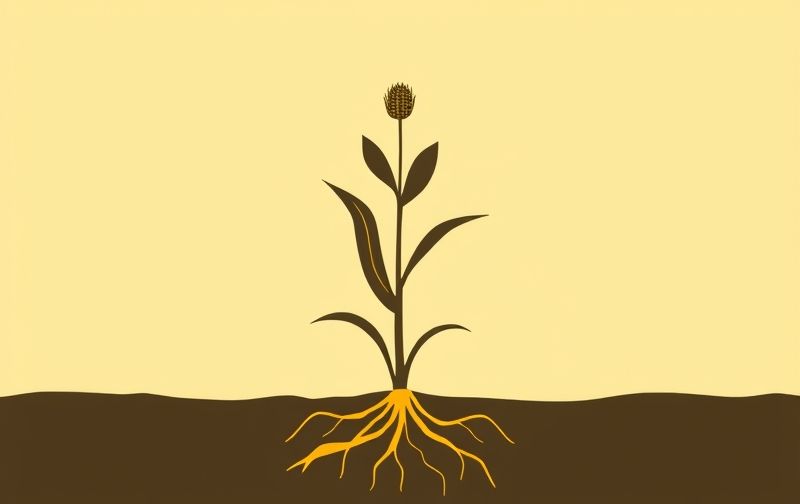
Root Exudation of Maize Inhibits the Growth of Competing Plants and PathogensPlants do more than grow quietly in the soil. Beneath the surface, a complex world of chemical interactions occurs. One of the most fascinating aspects of this underground communication is root exudation a process in which plants release substances from their roots into the surrounding soil. In the case of maize (Zea mays), these root exudates play a key role in shaping the environment, particularly by inhibiting the growth of competing plants, pathogens, and harmful microbes.
What Is Root Exudation?
Root exudation refers to the release of various organic and inorganic compounds from plant roots. These compounds include
-
Sugars
-
Amino acids
-
Organic acids
-
Phenolics
-
Enzymes
-
Secondary metabolites
In maize, these substances are actively secreted to improve nutrient uptake, influence microbial populations, and in some cases, suppress the growth of other organisms that may pose a threat.
Allelopathy Chemical Warfare in the Soil
One of the most important outcomes of root exudation is allelopathy a phenomenon where one plant inhibits the growth of another through biochemical means. Maize is known to produce allelochemicals that negatively affect the development of surrounding plants, including weeds like barnyardgrass (Echinochloa crus-galli) and pathogenic fungi such as Fusarium species.
This strategy helps maize reduce competition for nutrients, water, and space, giving it a better chance to thrive in crowded agricultural settings.
Specific Compounds in Maize Root Exudates
Researchers have identified several compounds in maize root exudates that exhibit growth-inhibiting properties. These include
-
Benzoxazinoids (BXs) – A group of secondary metabolites with antimicrobial and herbicidal activity.
-
DIMBOA (2,4-dihydroxy-7-methoxy-1,4-benzoxazin-3-one) – Known for suppressing weed seed germination and inhibiting fungal growth.
-
Phenolic acids – Compounds that can alter soil microbial communities and restrict root elongation of nearby plants.
These chemicals function by interfering with cellular processes in target organisms, leading to reduced germination rates, stunted root systems, and weakened defenses.
Impact on Competing Plants
In cropping systems where maize is grown alongside or in rotation with other crops, its root exudates can significantly affect the germination and growth of neighboring species. Studies show that when exposed to maize root exudates
-
Weed seeds may fail to germinate.
-
Root development in sensitive plants is reduced.
-
Photosynthetic activity can be altered in nearby seedlings.
This gives maize a competitive edge in natural and managed ecosystems. Farmers may even use this property to reduce weed pressure without relying solely on synthetic herbicides.
Inhibitory Effects on Soil Pathogens
In addition to suppressing plant competitors, maize root exudates also show antimicrobial effects. For example
-
Some compounds inhibit the growth of Fusarium verticillioides, a common fungal pathogen of maize.
-
Others reduce the activity of Pythium and Rhizoctonia, organisms responsible for root rot and damping-off disease.
This natural form of disease resistance helps maintain plant health, especially during early developmental stages when maize is most vulnerable.
Role in Microbiome Management
Root exudates from maize not only inhibit harmful organisms but also help select beneficial microbes, such as nitrogen-fixing bacteria and phosphorus-solubilizing fungi. This selective environment strengthens the plant’s nutrient acquisition and immune responses.
By shaping its rhizosphere, maize essentially manages its own underground ecosystem, balancing defense and cooperation.
Agricultural Implications and Benefits
Understanding the role of maize root exudation in inhibiting growth of competitors and pathogens opens doors to more sustainable farming practices. These include
-
Reduced dependence on chemical herbicides and pesticides
-
Intercropping strategies that take advantage of maize’s natural defense mechanisms
-
Development of varieties with enhanced exudation profiles for greater weed and disease control
This natural ability can be harnessed to promote eco-friendly agriculture, where plants actively participate in maintaining their health and productivity.
Challenges and Considerations
While the inhibitory effects of maize root exudates are promising, they can also have unintended consequences. Some concerns include
-
Suppression of non-target crops in polyculture systems
-
Disruption of beneficial soil organisms if exudates are overly aggressive
-
Environmental factors like pH and moisture affecting exudate activity
Therefore, careful planning is needed when using maize in crop rotation or mixed farming systems.
Future Directions in Research
As interest in plant-based pest and weed management grows, researchers are exploring ways to
-
Identify and isolate key allelochemicals in maize
-
Genetically enhance maize varieties for stronger exudate production
-
Understand the long-term effects of root exudation on soil health and biodiversity
Such studies will help maximize the benefits of maize’s natural abilities while minimizing ecological risks.
Conclusion A Silent Yet Powerful Defense
The root exudation of maize is a remarkable adaptation that helps the plant manage competition and threats in its environment. By releasing compounds that inhibit the growth of weeds and pathogens, maize not only protects itself but also offers insights into more sustainable ways of growing food.
This natural chemical defense, although invisible to the eye, plays a crucial role in modern agriculture and continues to be a rich area for scientific discovery.