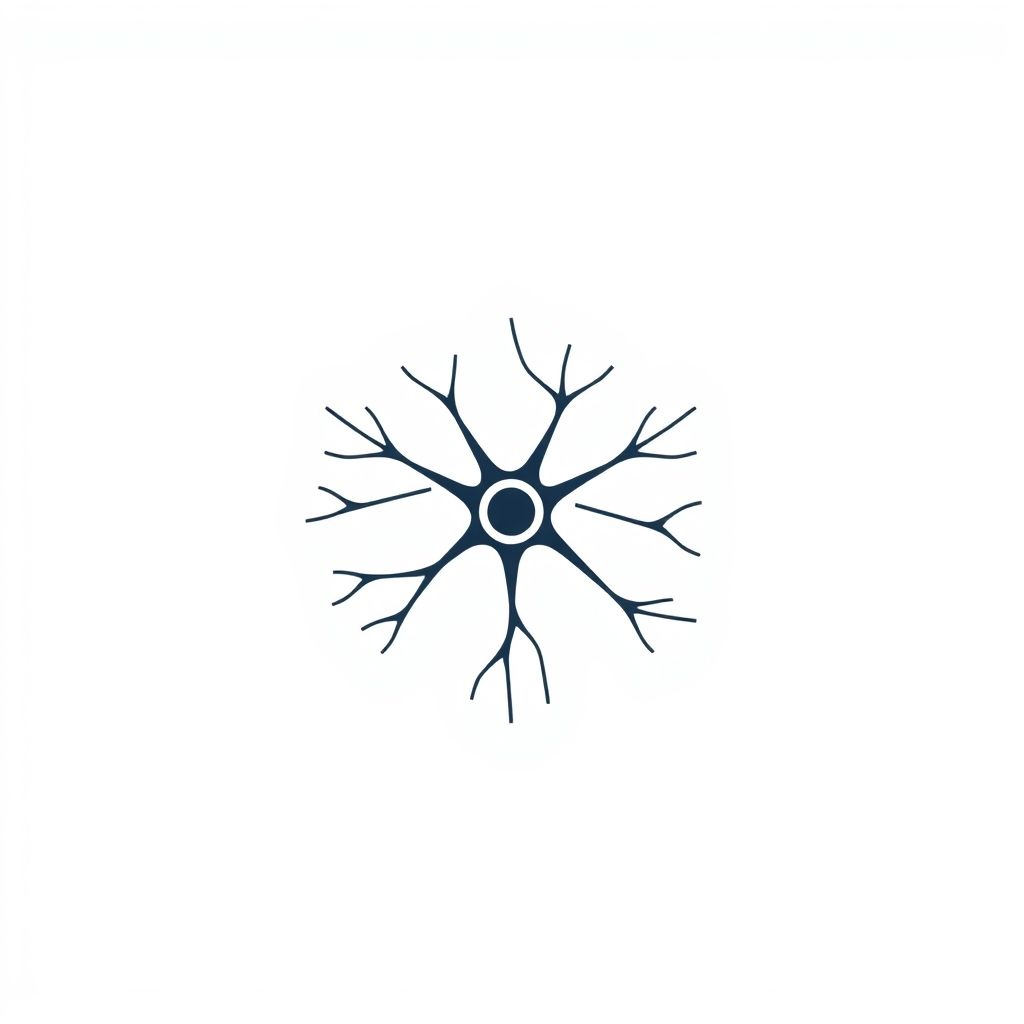
The Dendrite of a Neuron Structure, Function, and Importance in the Nervous SystemNeurons are the building blocks of the nervous system. They are specialized cells that transmit electrical and chemical signals throughout the body. A typical neuron consists of three main parts the cell body (soma), axon, and dendrites. Among these, dendrites play a crucial role in receiving and processing information from other neurons. Understanding the dendrite of a neuron is essential for grasping how the brain and nervous system function.
What Are Dendrites?
Dendrites are branch-like extensions of a neuron that spread out from the cell body. The word dendrite comes from the Greek word for tree, which reflects their tree-like structure. These structures serve as the input zones of the neuron, collecting signals from neighboring neurons and sending them to the cell body for interpretation.
Dendrites vary in number, size, and shape depending on the type and function of the neuron. Some neurons have only a few dendrites, while others have many. Their surface is often covered with dendritic spines, small protrusions that increase the surface area and improve their ability to form connections.
Structure of a Dendrite
The structure of a dendrite is finely tuned for its function. Key features include
-
Thin branches They resemble tree limbs and can extend in various directions to connect with other neurons.
-
Dendritic spines Tiny bumps that serve as points of contact for synapses.
-
Cytoskeleton A framework of microtubules and actin filaments that supports shape and transport within the dendrite.
-
Receptor proteins Located on the membrane, they bind to neurotransmitters from other neurons.
This structure allows dendrites to be highly receptive and dynamic, constantly adjusting and remodeling based on experiences and signals.
The Function of Dendrites
The primary function of dendrites is to receive synaptic input. They are equipped with receptors that detect chemical signals called neurotransmitters, which are released by the axon terminals of other neurons.
When a neurotransmitter binds to a receptor on the dendrite, it causes small changes in the electrical charge across the dendritic membrane. These changes, known as postsynaptic potentials, travel toward the neuron’s cell body. If enough signals are received and summed up, they can trigger an electrical signal called an action potential, which then travels down the axon to communicate with other neurons.
Dendrites and Synaptic Connections
Synaptic connections between neurons occur mostly on dendritic spines. These tiny projections allow for specific and flexible connections with the axons of other neurons. The shape and density of dendritic spines can change in response to learning, memory, and sensory input. This process is part of synaptic plasticity, a key mechanism behind how the brain adapts and stores information.
When a person learns something new, the brain forms new connections or strengthens existing ones. Dendrites are essential to this process, as they respond to stimulation by creating or modifying synaptic contacts.
Dendritic Growth and Development
Dendrites begin to grow during the early stages of brain development. Their growth is influenced by genetic factors, chemical signals, and environmental stimuli. During childhood and adolescence, dendritic branches expand and form new connections, especially in response to learning and sensory experiences.
However, dendritic growth is not limited to early life. In adults, neuroplasticity allows dendrites to continue adapting. This ability is important for recovering from brain injury, forming new memories, and adjusting to changes in the environment.
Differences Between Dendrites and Axons
Although both dendrites and axons are extensions of a neuron, they have different roles
-
Dendrites receive signals; axons transmit signals.
-
Dendrites are usually short and branch extensively; axons are long and singular.
-
Dendrites taper and are often covered in spines; axons maintain a consistent diameter and may be covered with myelin.
Together, these two structures work in harmony to allow for complex communication within the nervous system.
Dendrites in Different Types of Neurons
Different types of neurons have unique dendritic structures based on their function
-
Motor neurons have branched dendrites to receive input from many sources.
-
Sensory neurons may have specialized dendrites to detect physical stimuli like touch or temperature.
-
Interneurons, found in the brain and spinal cord, have intricate dendritic trees for integrating signals from multiple neurons.
Each type of neuron is designed to carry out specific tasks, and dendrites are shaped accordingly to optimize performance.
Dendritic Disorders and Diseases
Damage or abnormalities in dendrites can lead to neurological and psychological disorders. Some conditions associated with dendritic dysfunction include
-
Alzheimer’s disease Characterized by the loss of dendritic spines, leading to memory and cognitive decline.
-
Autism spectrum disorders Often involve abnormal dendritic development or connectivity.
-
Schizophrenia May involve disrupted dendritic pruning during development.
-
Epilepsy Can result from hyperactive synaptic input to dendrites.
Research into dendritic health is ongoing, as understanding these structures may offer insight into potential treatments for brain disorders.
The Role of Dendrites in Learning and Memory
Learning and memory depend heavily on the flexibility and adaptability of dendrites. When the brain is exposed to new experiences, dendrites grow new spines or adjust existing ones. This plasticity enables the brain to store and retrieve information effectively.
Studies have shown that environments rich in stimulation like reading, social interaction, and problem-solving can lead to increased dendritic branching and stronger synaptic connections. On the other hand, lack of stimulation can result in dendritic shrinkage or inactivity.
Dendrites are vital structures in the neuron, responsible for receiving information and supporting the complex network of the nervous system. Their branching design, flexibility, and ability to form connections make them central to how the brain communicates, learns, and adapts.
From early development to adult learning and even in disease, the dendrite of a neuron plays a key role. By understanding how dendrites function, we gain a deeper appreciation for the intricate processes that power our thoughts, actions, and experiences.